Market Intelligence
Agricultural Robots in Japan
Japan's rapidly ageing farm workforce and government-mandated smart agriculture targets are making it the fastest-growing robotic farming market in Asia.
Market Overview
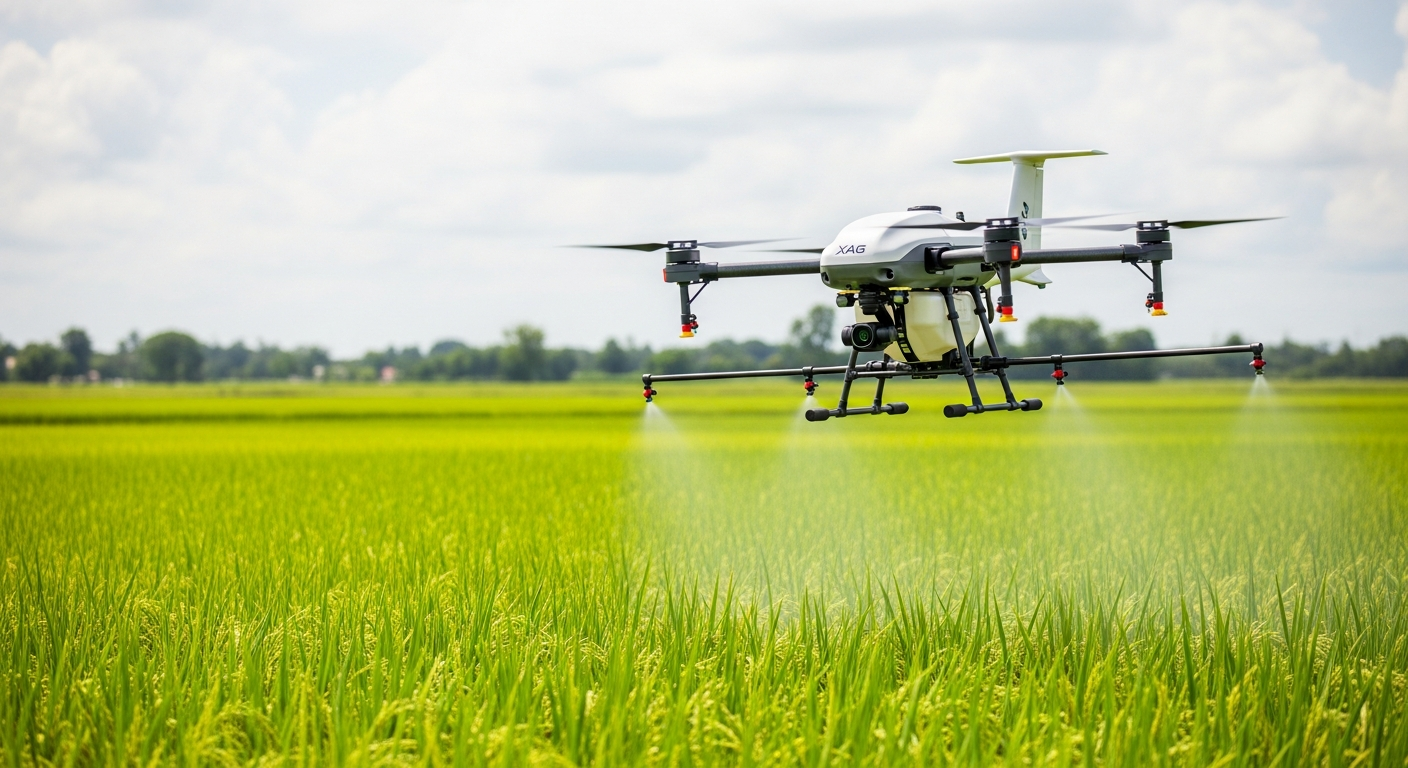
Japan faces the most urgent agricultural robotics adoption imperative of any major economy: the average farmer is 67 years old, and Japan loses approximately 50,000 farming operators per year to retirement. The Ministry of Agriculture, Forestry and Fisheries (MAFF) has set a national target for 50% of Japan's rice paddy management to use smart agriculture technology by 2030. Domestic companies Kubota, Yanmar, and Iseki are developing autonomous machinery for Japan's dense rice paddy and protected horticulture operations.
Labour cost context: Japanese agricultural wages are ¥900–¥1,200/hr (2026 regional minimum wages). The actual cost of farm labour is much higher when accounting for the severe shortage of available workers in rural areas, where housing and recruitment costs often exceed the wage cost itself.
Government Subsidies & Grant Programmes
Midori Plan — Smart Agriculture Budget (MAFF)
Japan's Green Food System Strategy (Midori Plan) allocates ¥10 billion annually for smart agriculture technology development and deployment, including robotics, AI crop management, and automated field machinery.
Learn more ↗MAFF Smart Agriculture Technology Development/Demonstration Project
National grants covering 50–75% of project costs for adoption of robots, drones, and automated machinery on commercial farms. Applications through prefectural agricultural offices.
Learn more ↗Agricultural Mechanisation Promotion Fund (JATAFF)
Low-interest loan programme for agricultural mechanisation and robotics. Provides subsidised financing for autonomous robots and robotic milking systems under the Agricultural Mechanisation Promotion Law.
Learn more ↗Robots Available in Japan(10)
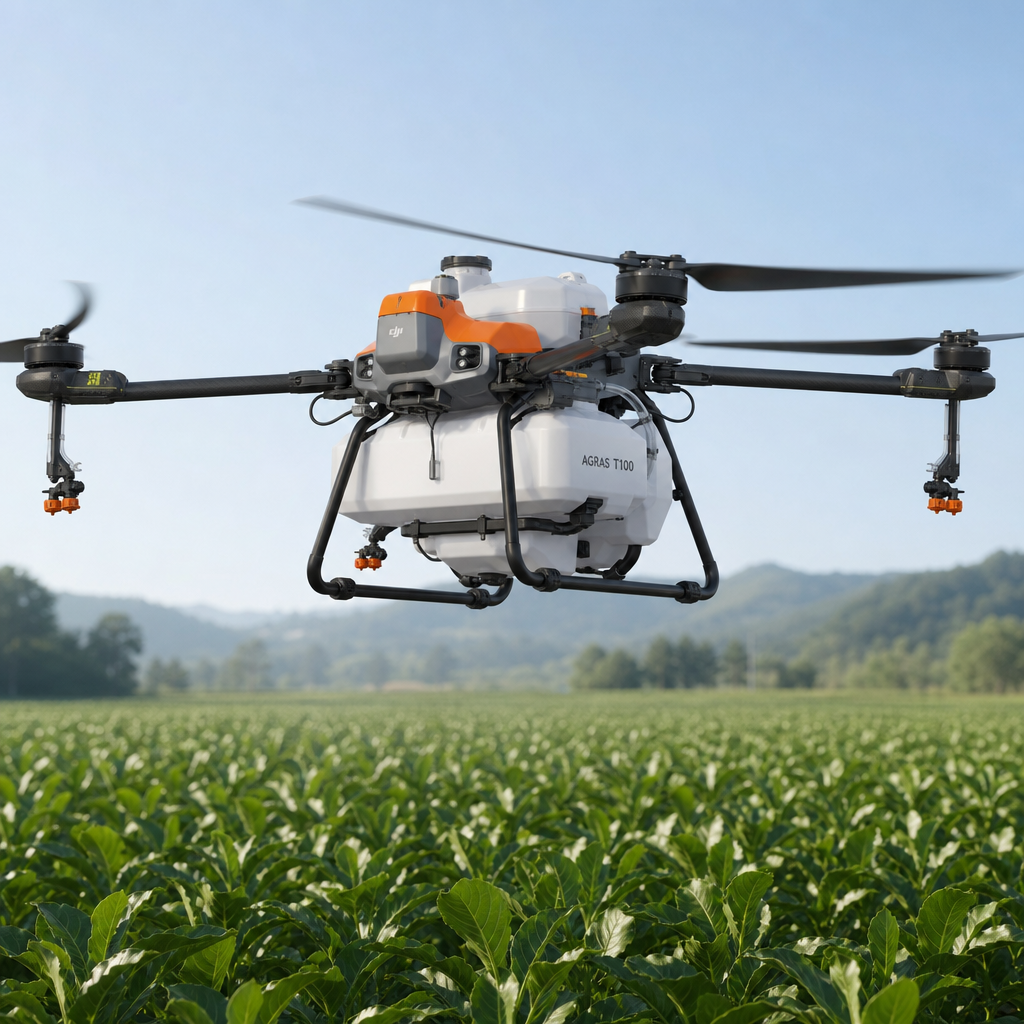
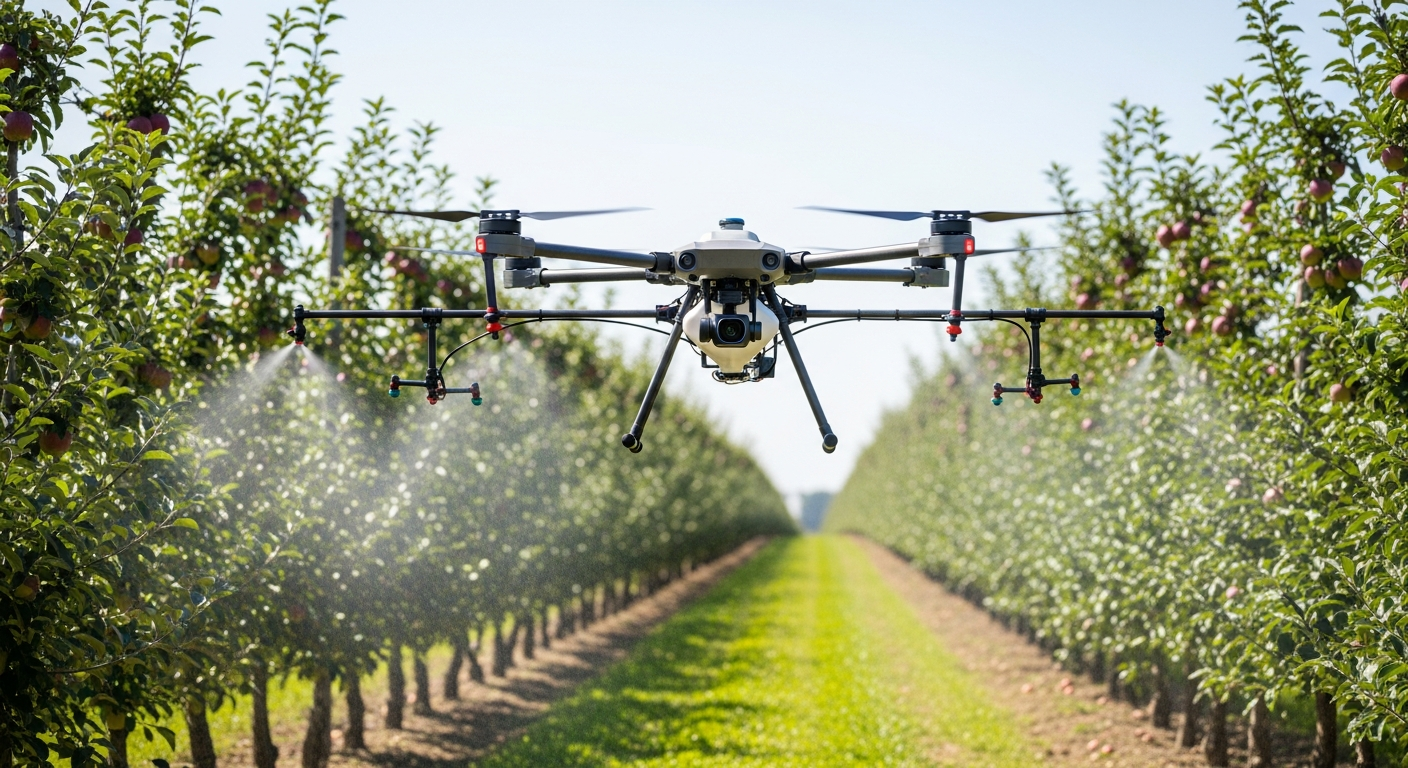
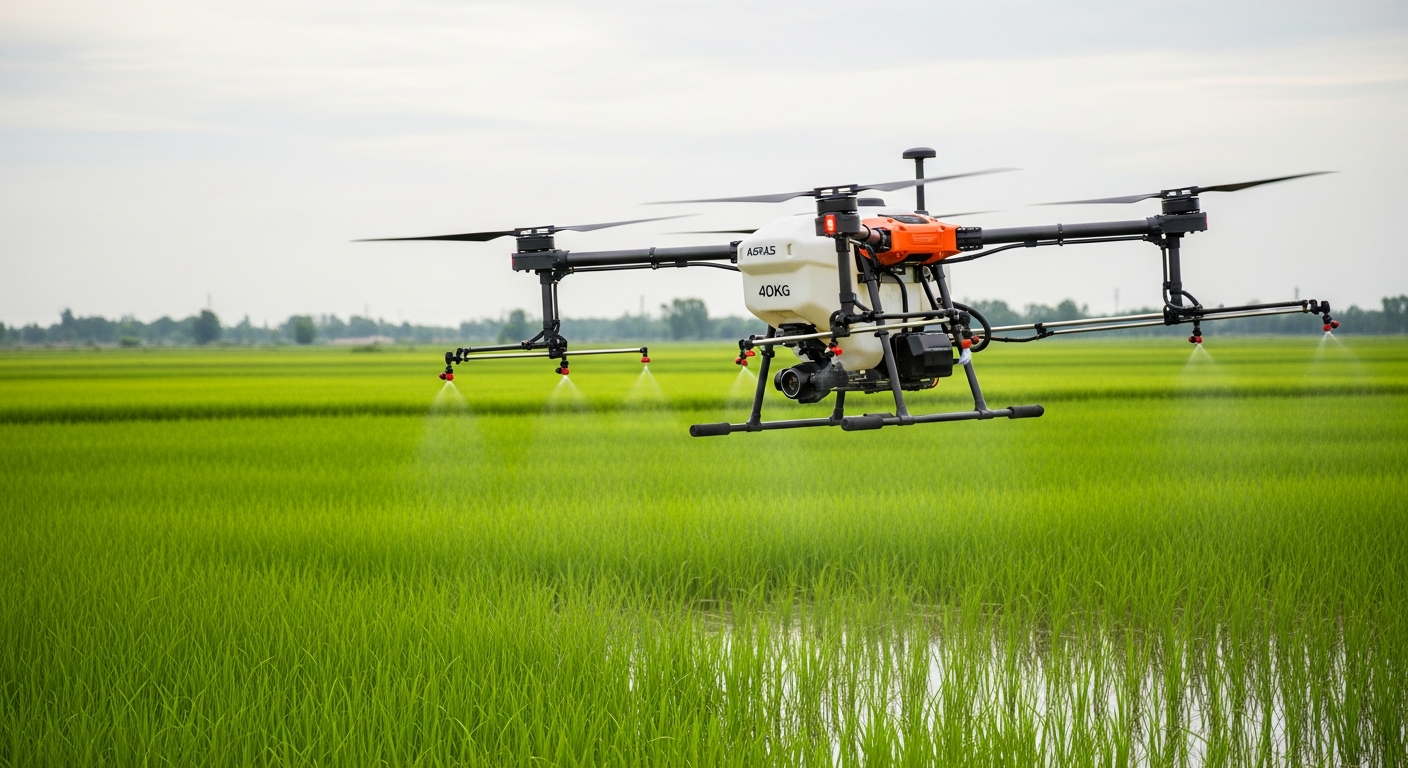
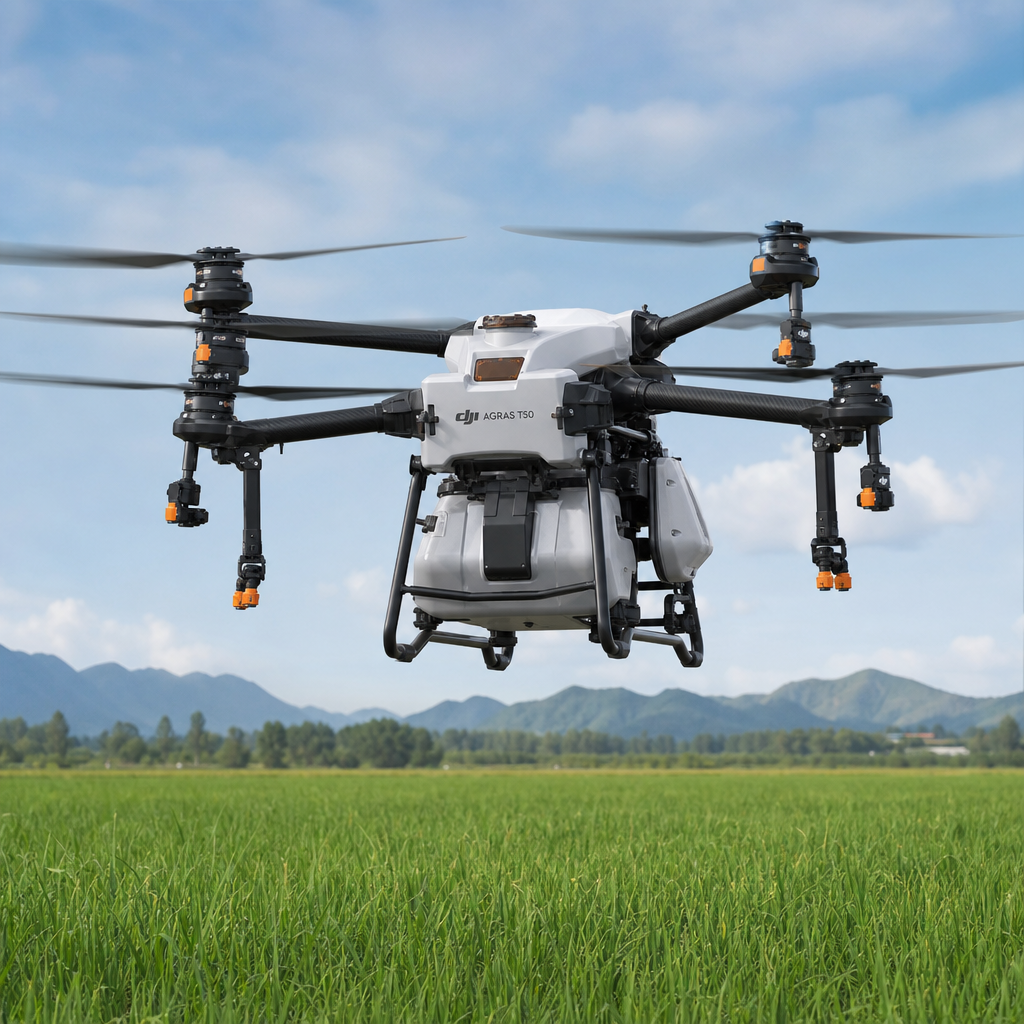
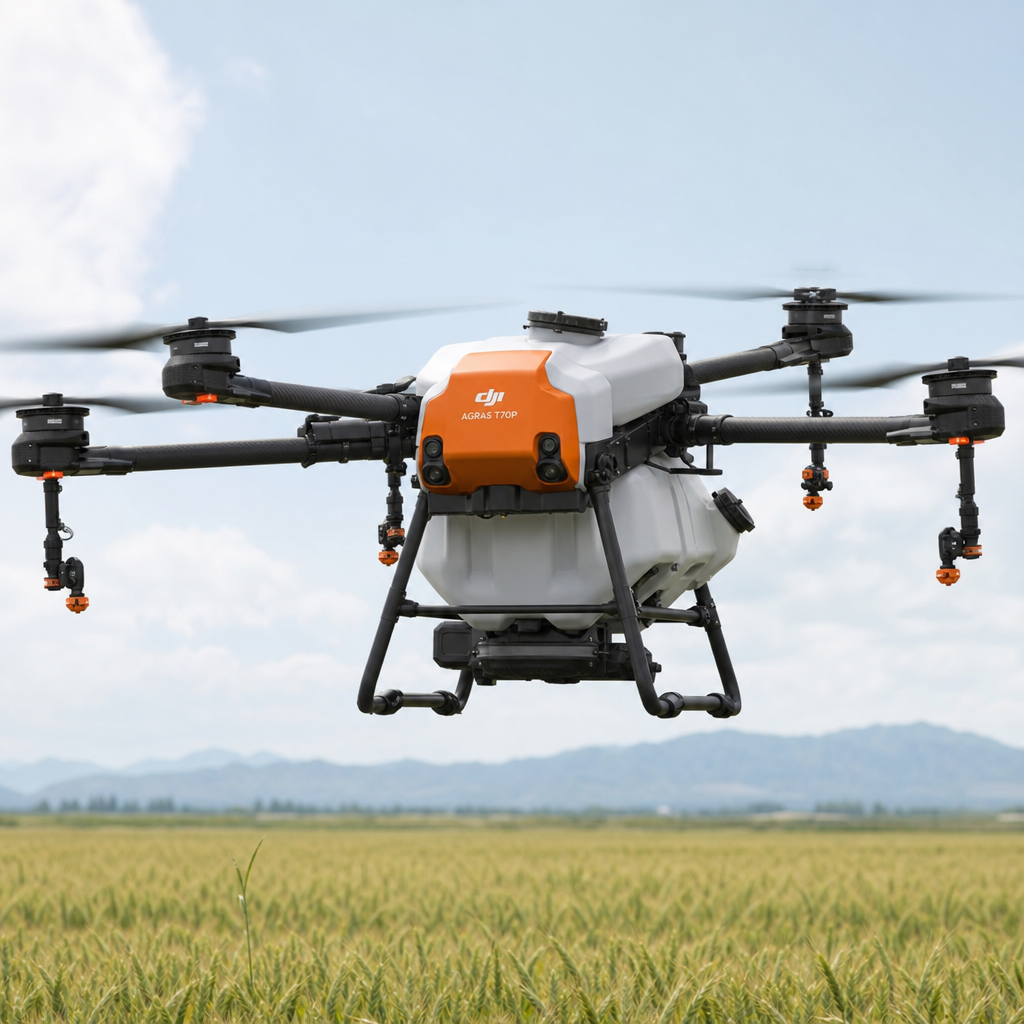
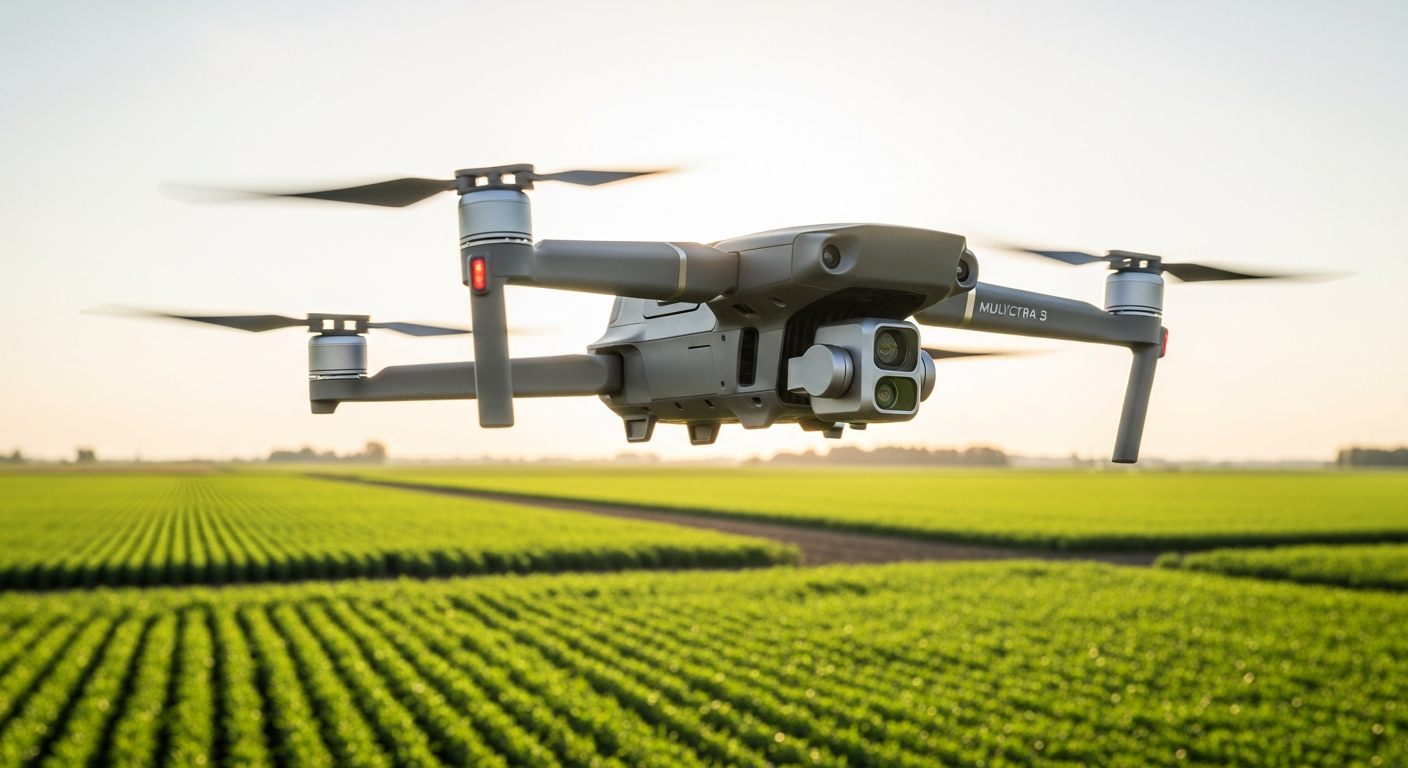

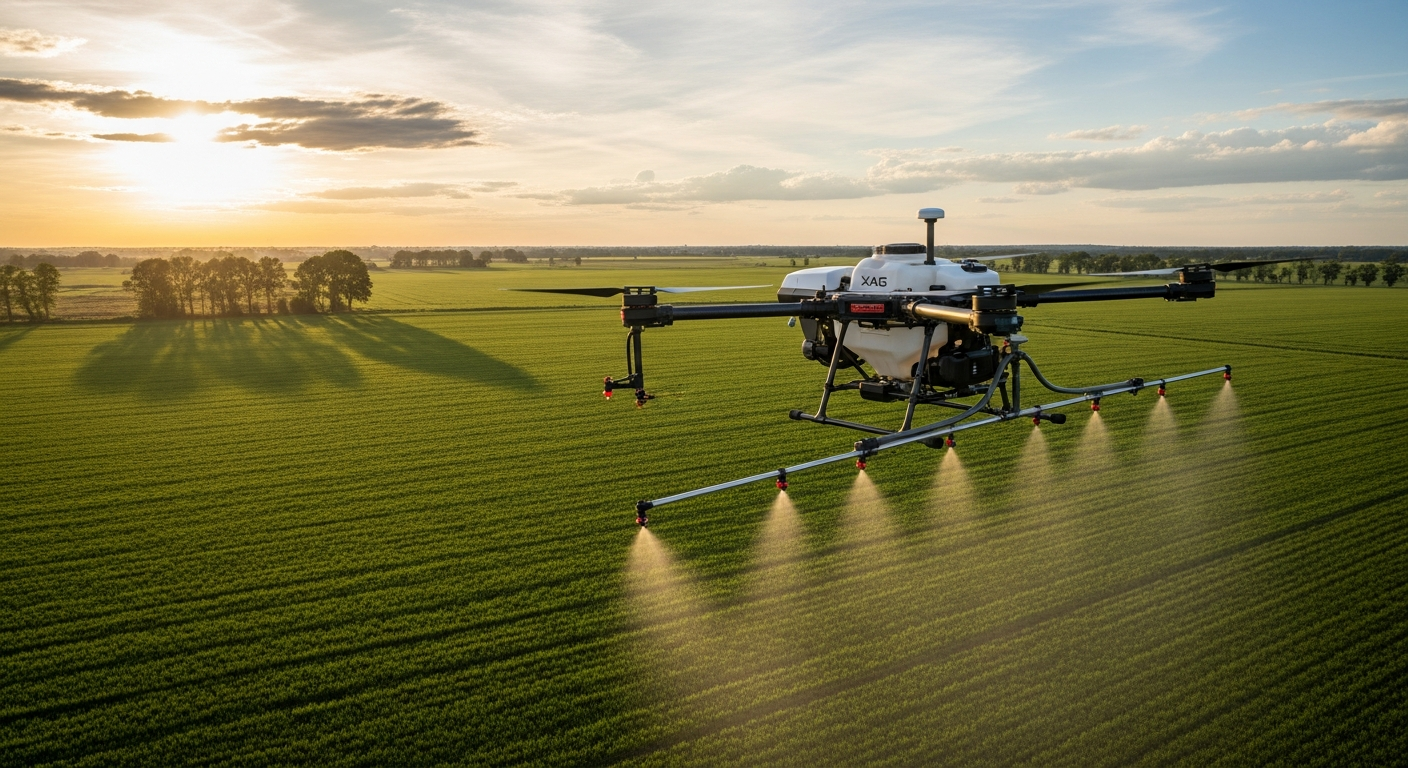
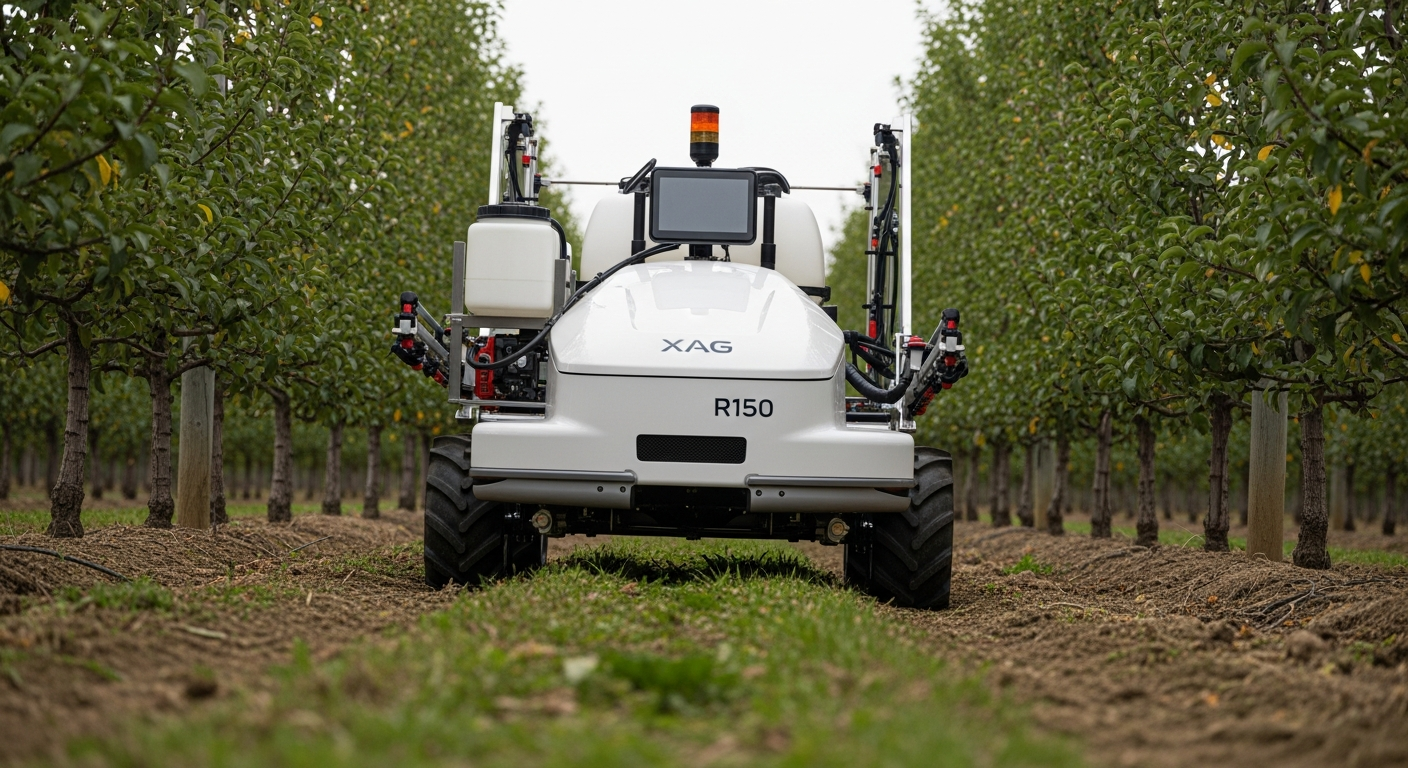
Frequently Asked Questions
Why is Japan prioritising agricultural robots so urgently?
Japan faces an existential farm labour crisis: the average farmer is 67 years old and approximately 50,000 farmers retire each year without replacement. The MAFF has set a national target for 50% of rice paddy management to use smart agriculture by 2030. Without robotics, Japan's food self-sufficiency ratio — currently around 38% on a calorie basis — risks falling further.
What agricultural robots are made in Japan?
Kubota Corporation makes the Agri Robo autonomous rice transplanter and combine harvesters. Yanmar develops autonomous rice farming systems. Iseki and Mitsubishi Mahindra have autonomous tractor programmes. Spread and Oishii Farm are developing automated greenhouse growing systems for high-value vegetables and strawberries in controlled indoor environments.
How does Japan's Midori Plan fund farm automation?
Japan's Green Food System Strategy (Midori Plan) allocates ¥10 billion annually for smart agriculture. The MAFF Smart Agriculture Technology Development/Demonstration Project offers grants of 50–75% of costs for farm technology adoption projects. Prefectural governments co-fund smart agriculture through the MAFF-prefectural Hojyokin system, and Japan's agricultural cooperatives (JA) also provide low-interest equipment financing.