Market Intelligence
Agricultural Robots in Netherlands
The world's highest agricultural robot density per farm, built on world-leading dairy automation and the most productive greenhouse sector on the planet.
Market Overview
The Netherlands has the highest concentration of agricultural robots per farm of any country. Wageningen University's Food Valley complex is one of the world's leading ag robotics research hubs. Over 35% of Dutch dairy farms use robotic milking systems — the highest rate globally — and the Netherlands' €10 billion greenhouse horticulture sector is the most automated in the world. Dutch ag tech companies Lely and AgXeed are among the most globally recognised manufacturers.
Labour cost context: Dutch agricultural labour costs €13.67–€15/hr (2026 minimum wage). Tight labour markets and strict nitrogen emission regulations — the 2022 Stikstofwet limits farm expansion — are driving automation beyond purely economic incentives.
Government Subsidies & Grant Programmes
WBSO R&D Tax Credit
Dutch R&D tax credit covering 32–40% of qualifying R&D personnel and other costs for ag robotics development. Available to all Dutch companies with employees working on technical development projects.
Learn more ↗MIT — MKB-innovatiestimulering Regio en Topsectoren
SME innovation stimulus for Dutch companies in the AgriFood topsector, covering up to 40% of costs for feasibility studies and R&D partnerships on agricultural automation.
Learn more ↗Innovatiekrediet — Dutch Innovation Credit
Soft loans for Dutch companies developing technically innovative products including ag robotics, covering 35–45% of development costs at below-market interest rates.
Learn more ↗Robots Available in Netherlands(17)
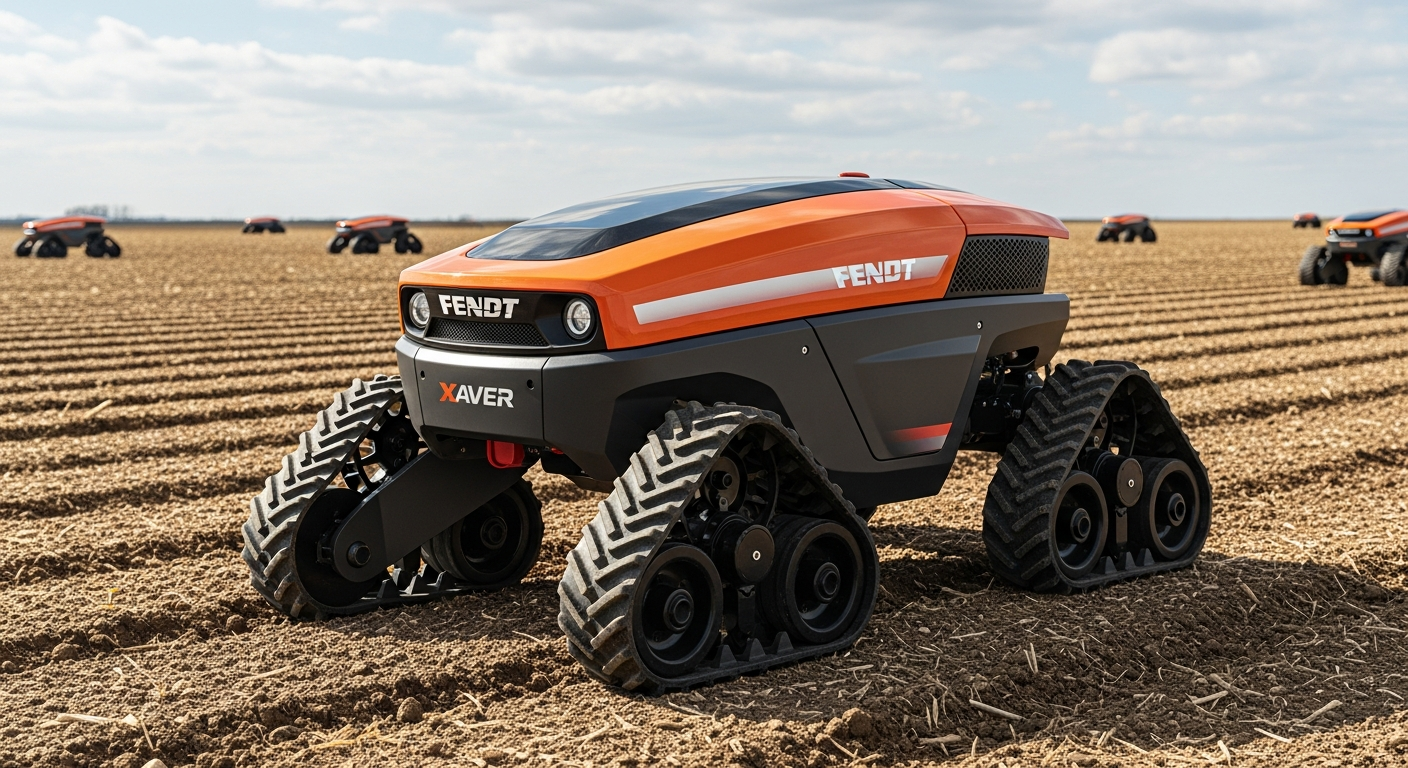
AGCO Fendt Xaver
Pilot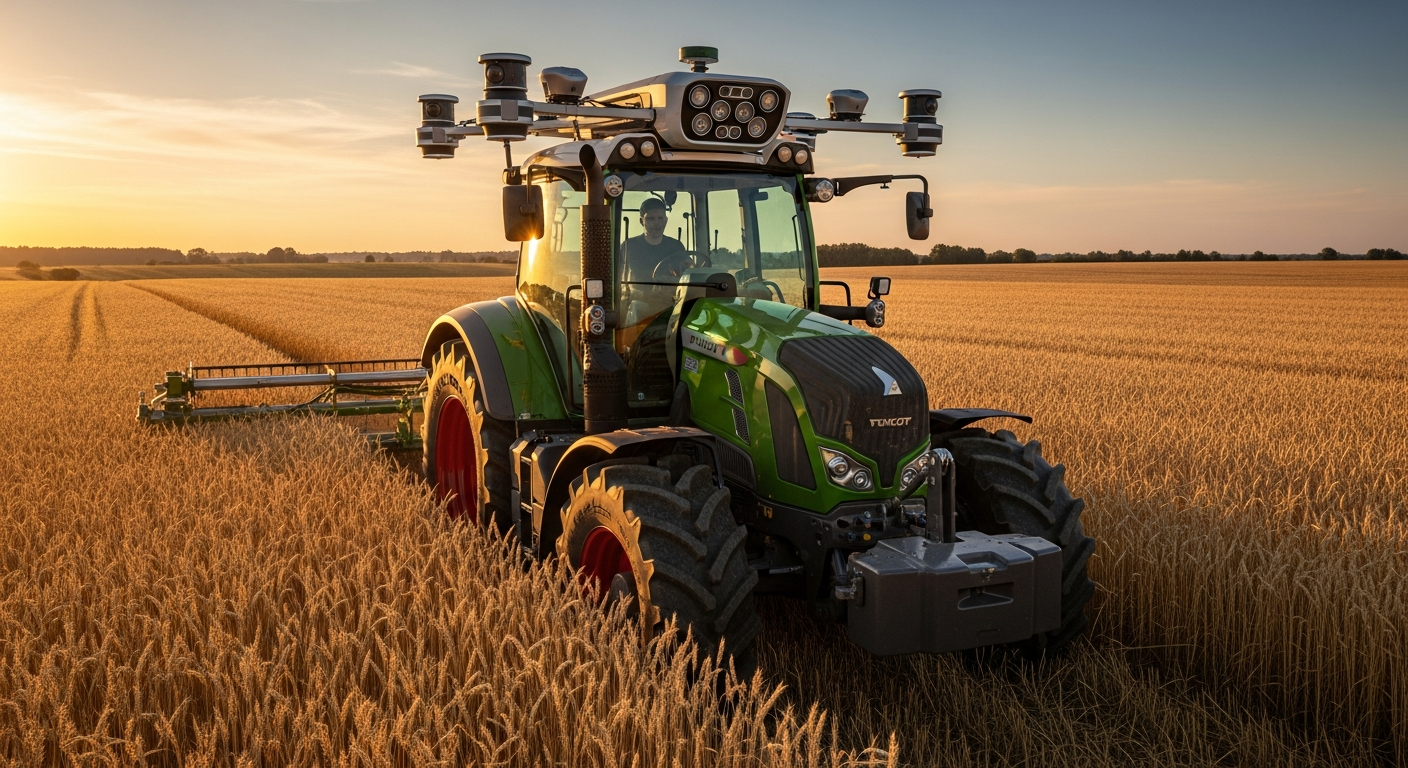
AGCO Outrun Retrofit Kit
Commercial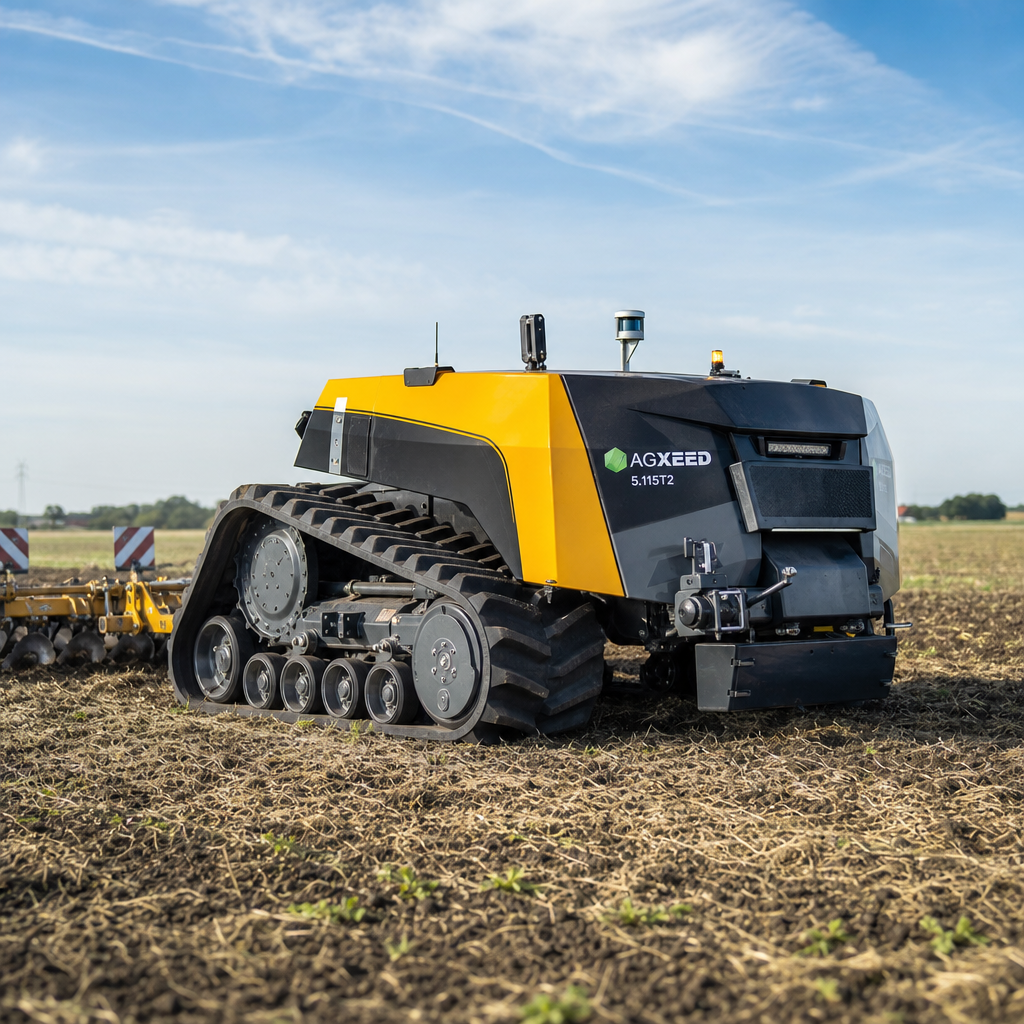
AgXeed AgBot 5.115T2
Commercial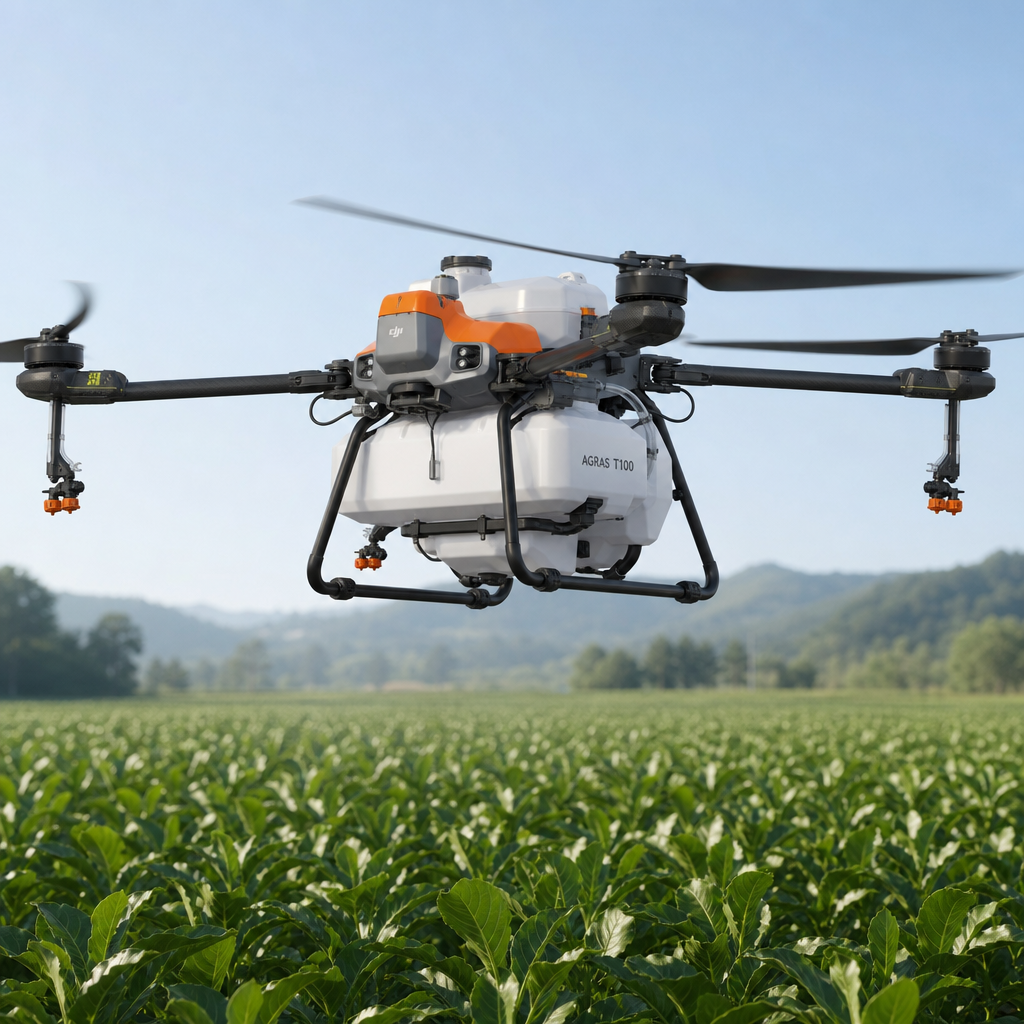
DJI Agras T100
Commercial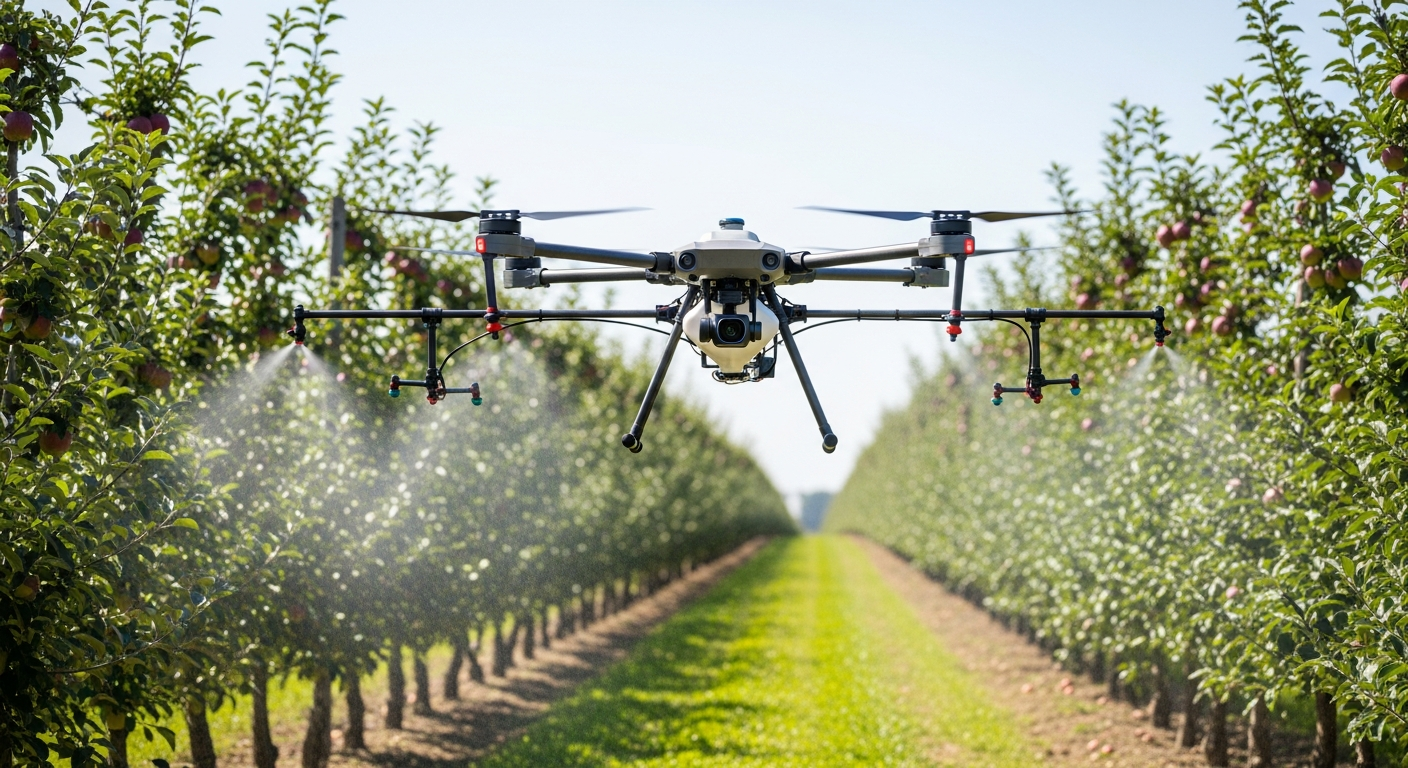
DJI Agras T25
Commercial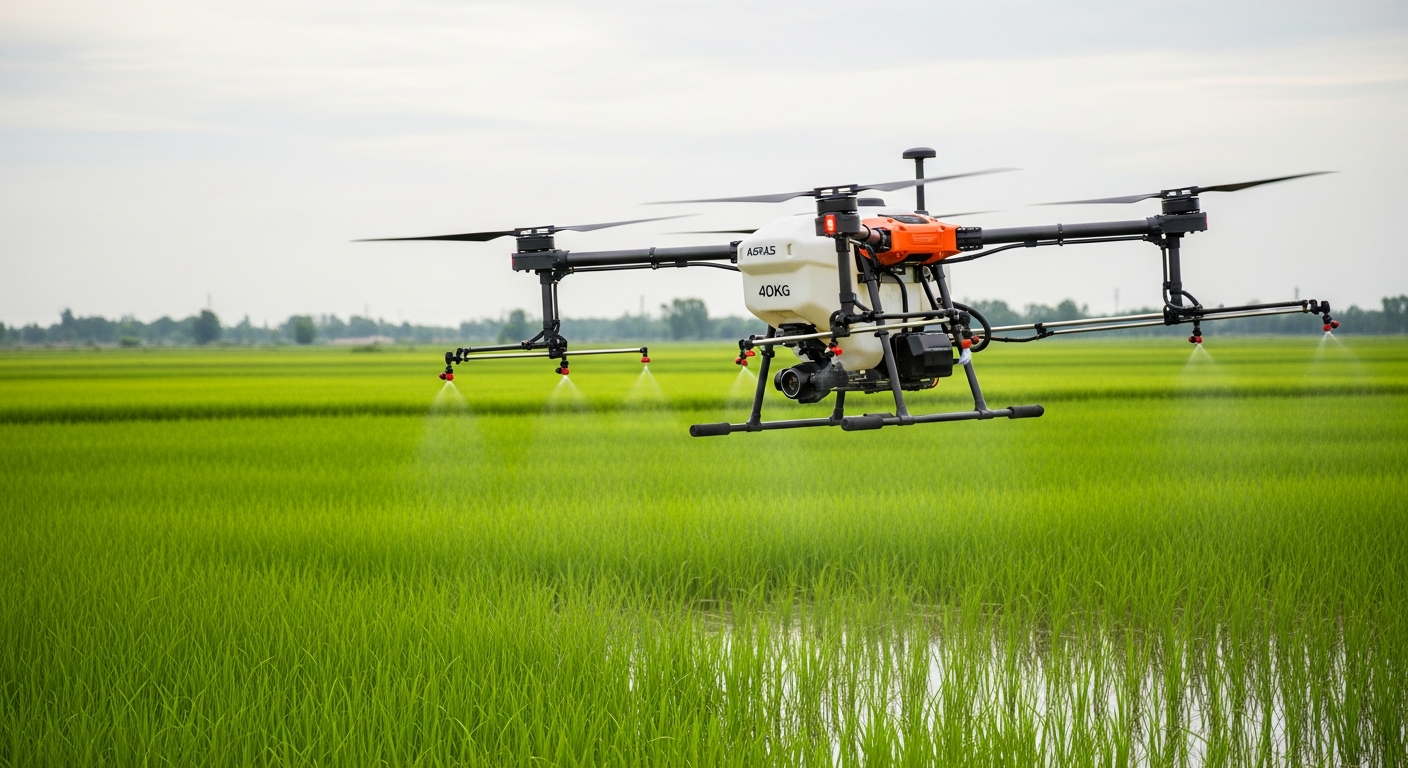
DJI Agras T40
Commercial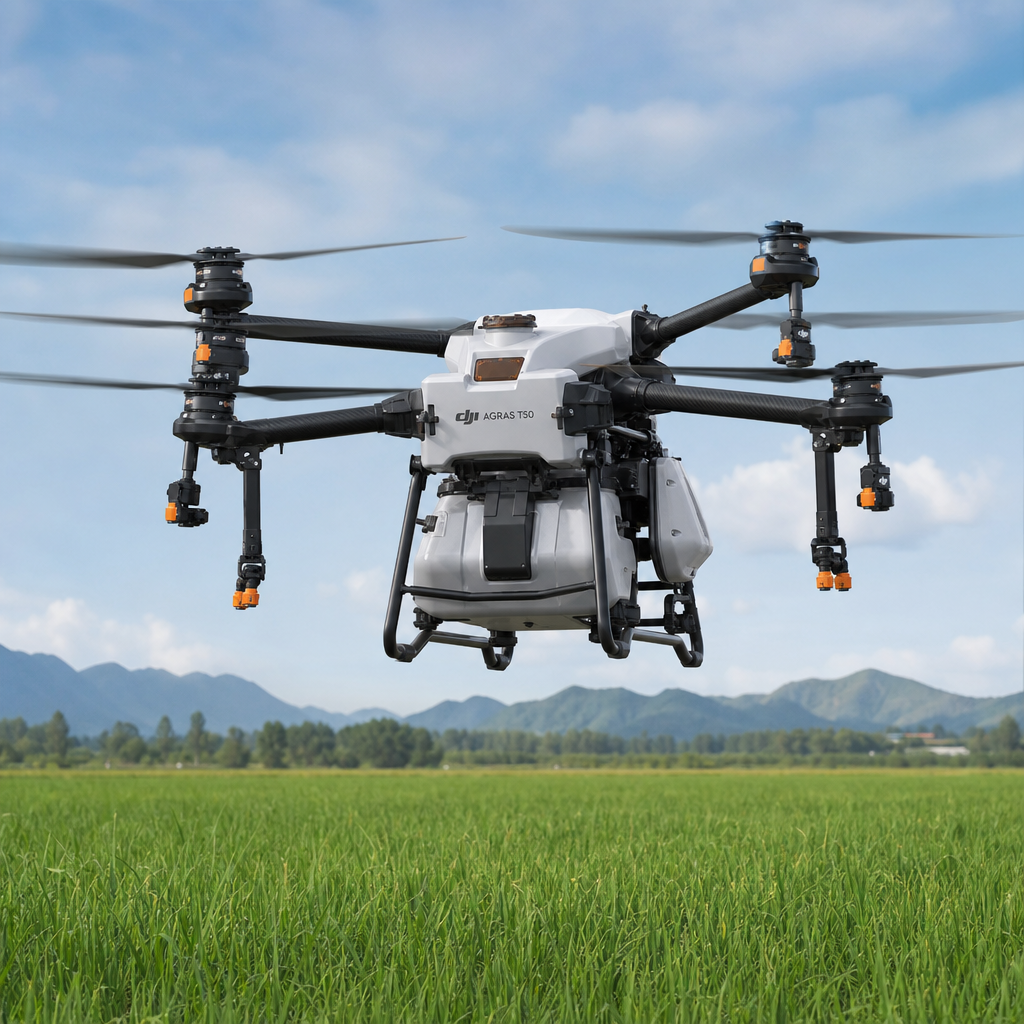
DJI Agras T50
Commercial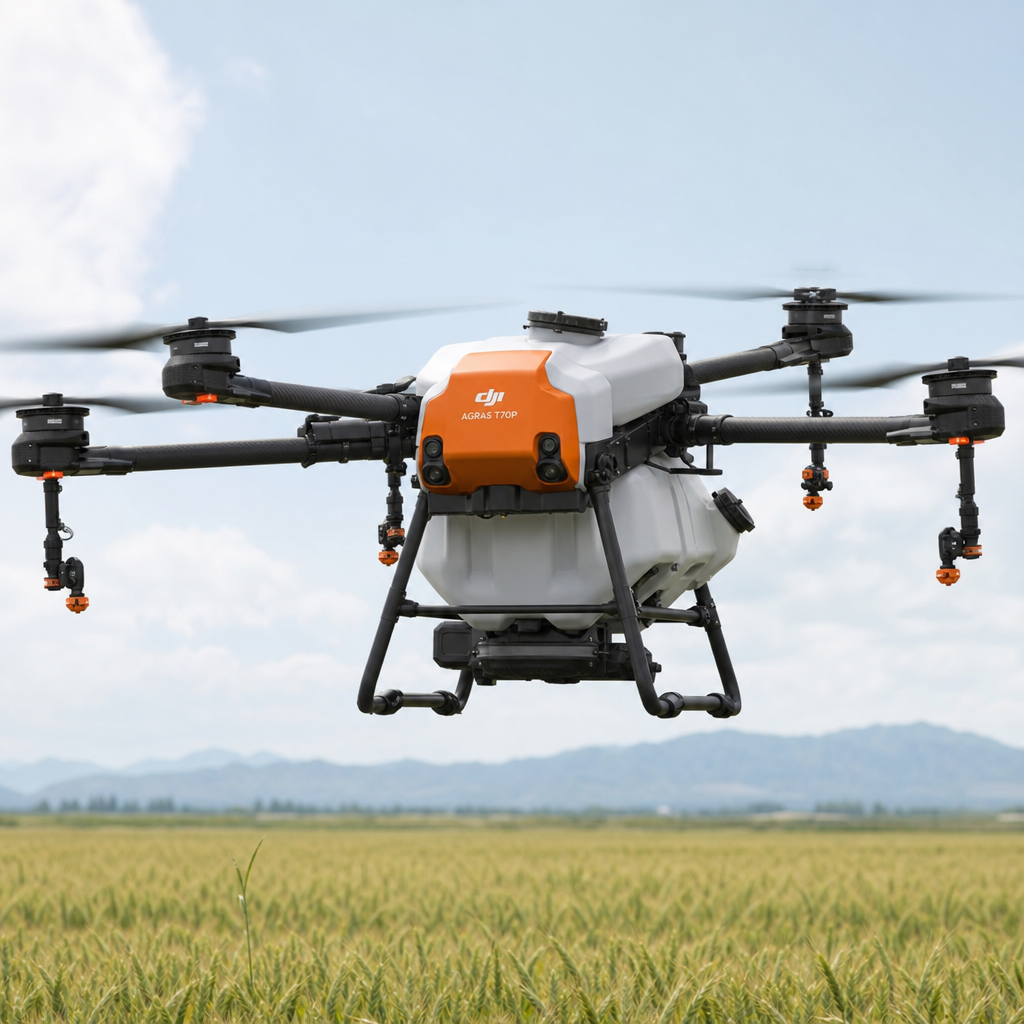
DJI Agras T70P
Commercial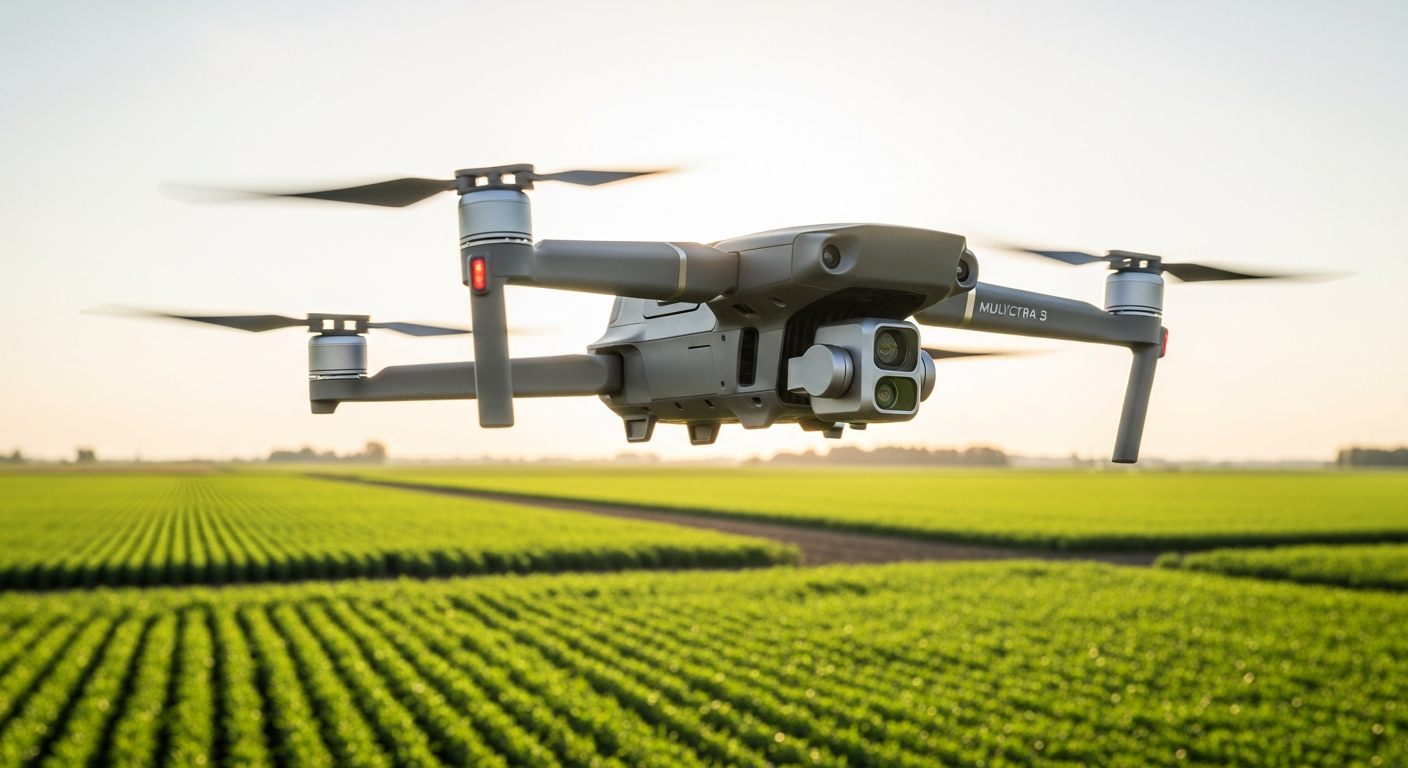
DJI Mavic 3 Multispectral
Commercial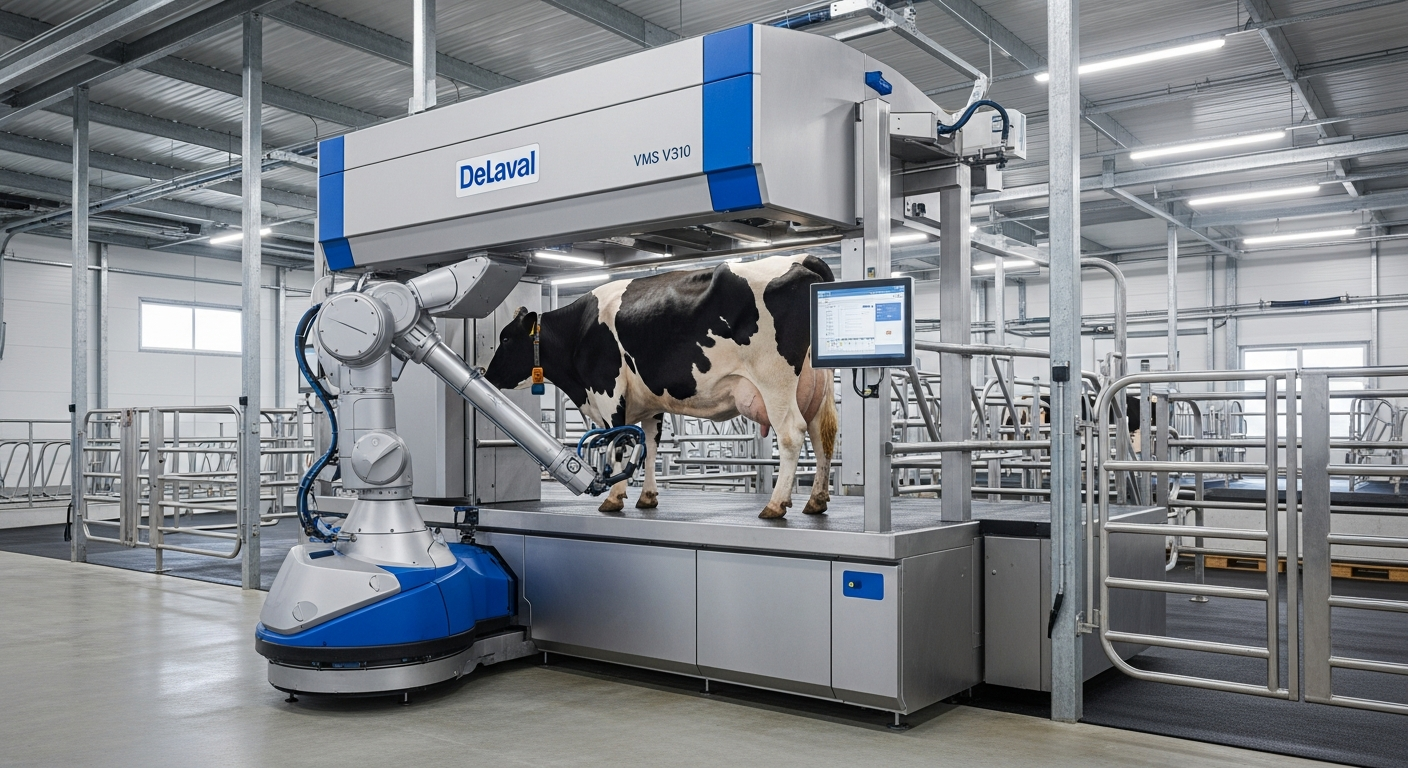
DeLaval VMS V310
Commercial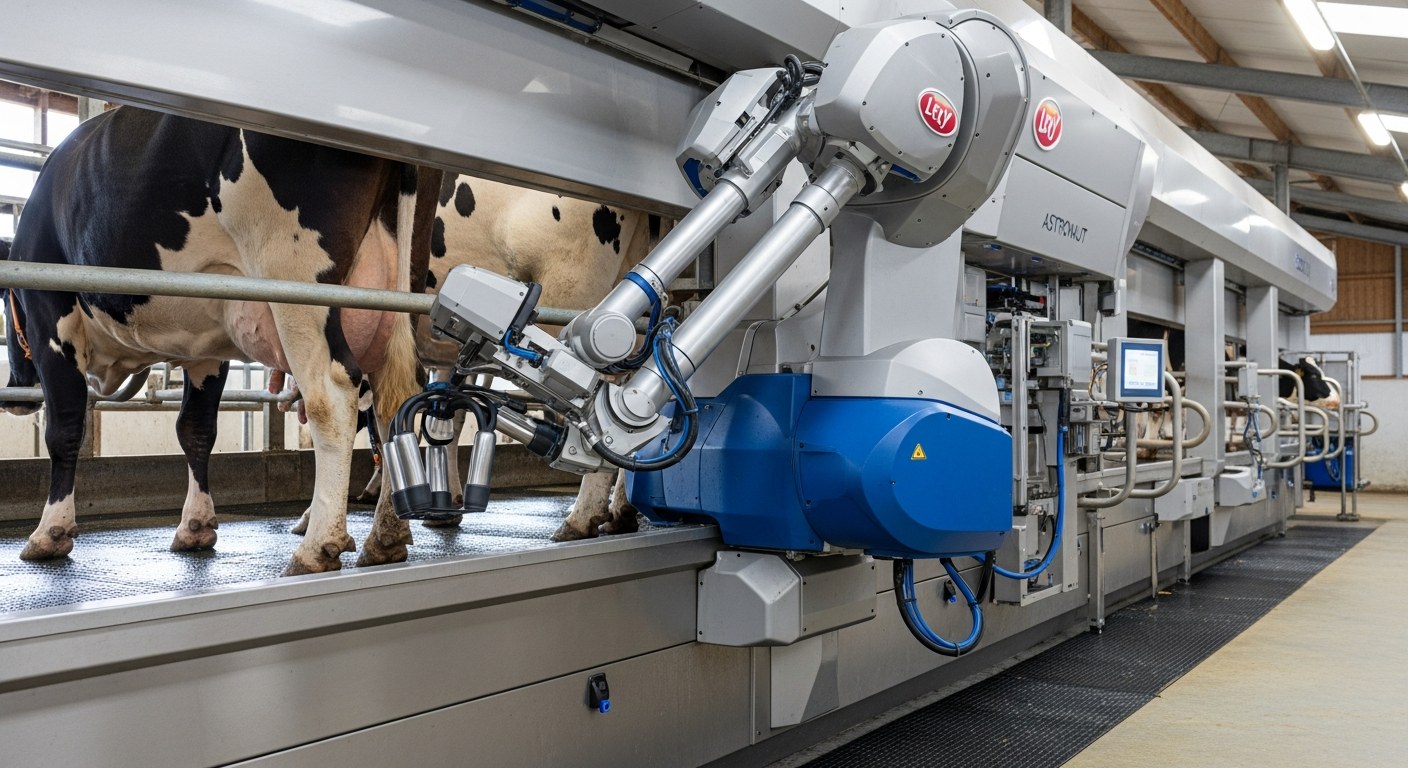
Lely Astronaut A5
Commercial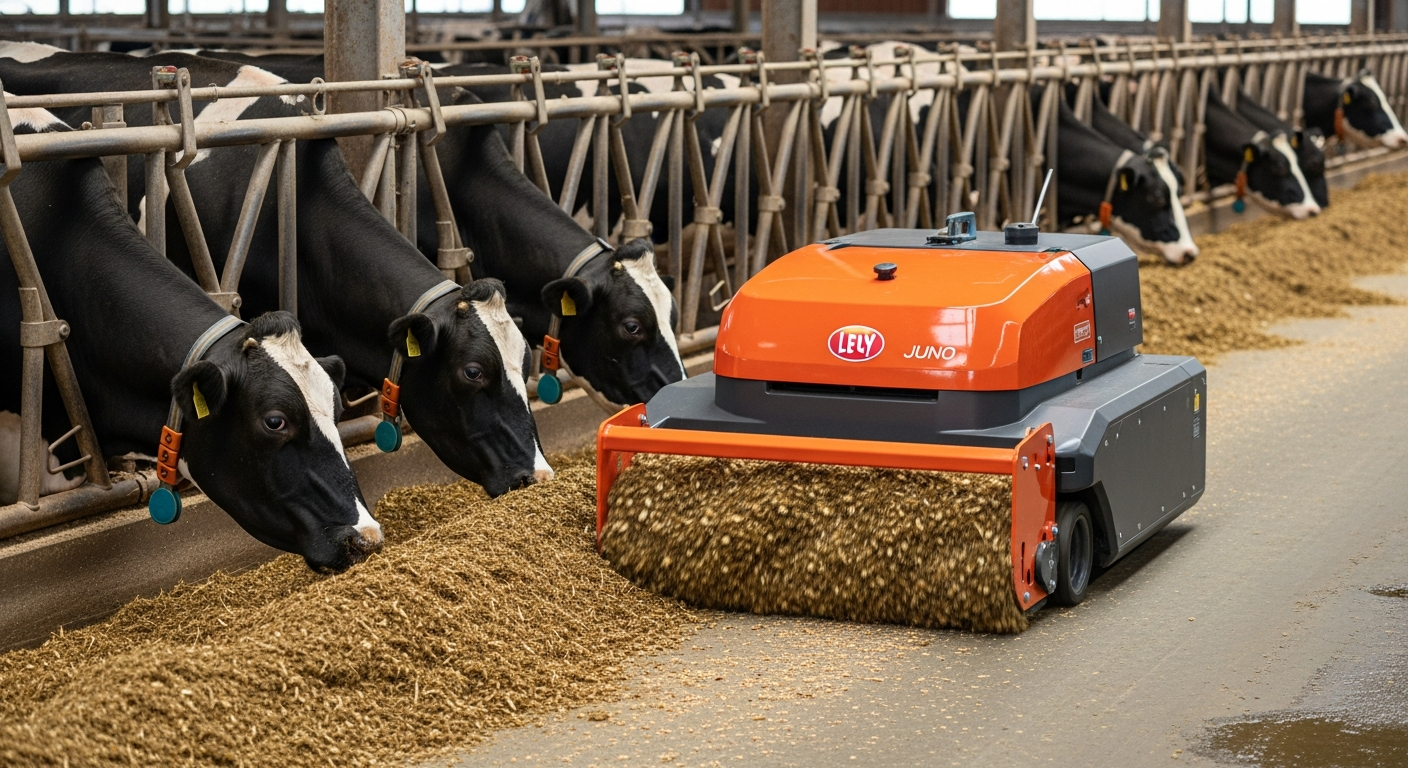
Lely Juno Feed Pusher
Commercial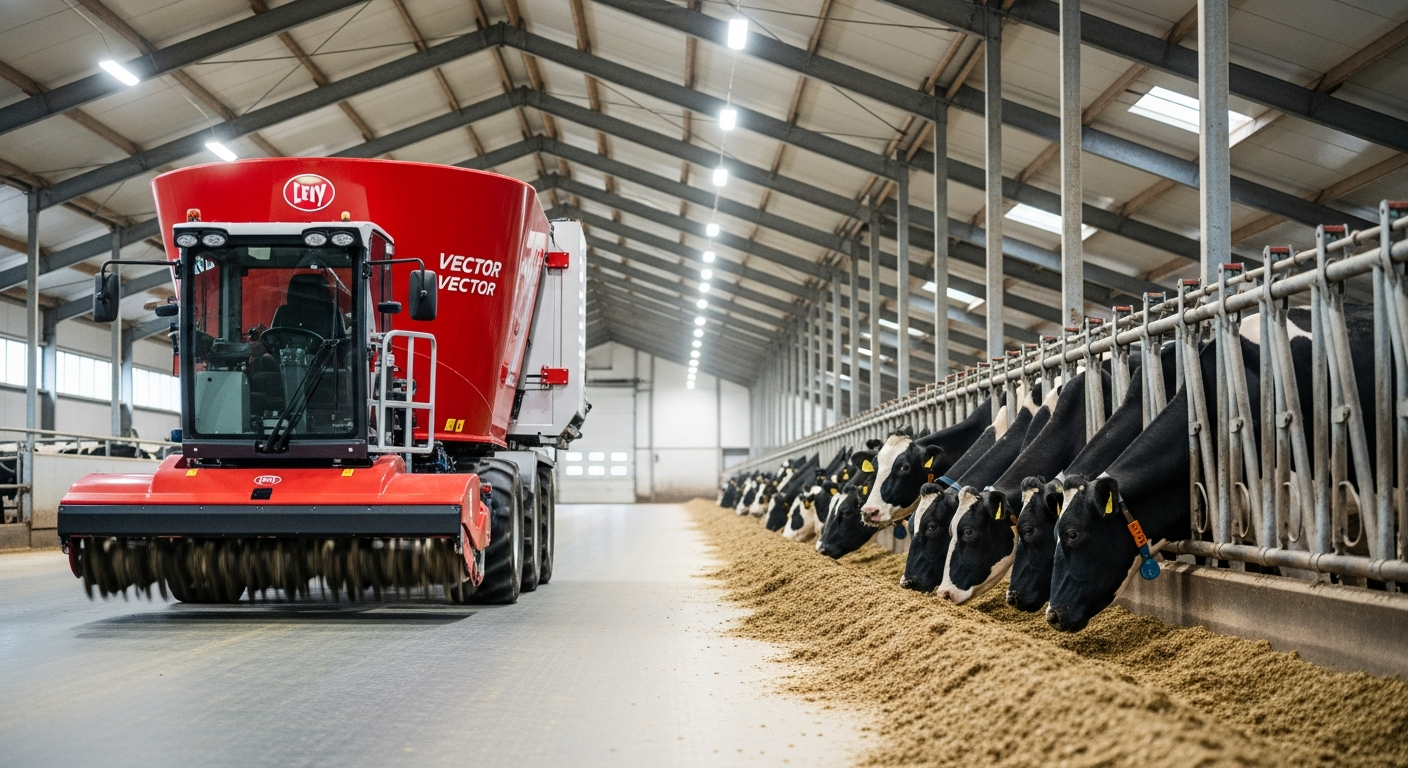
Lely Vector Feed Mixer
Commercial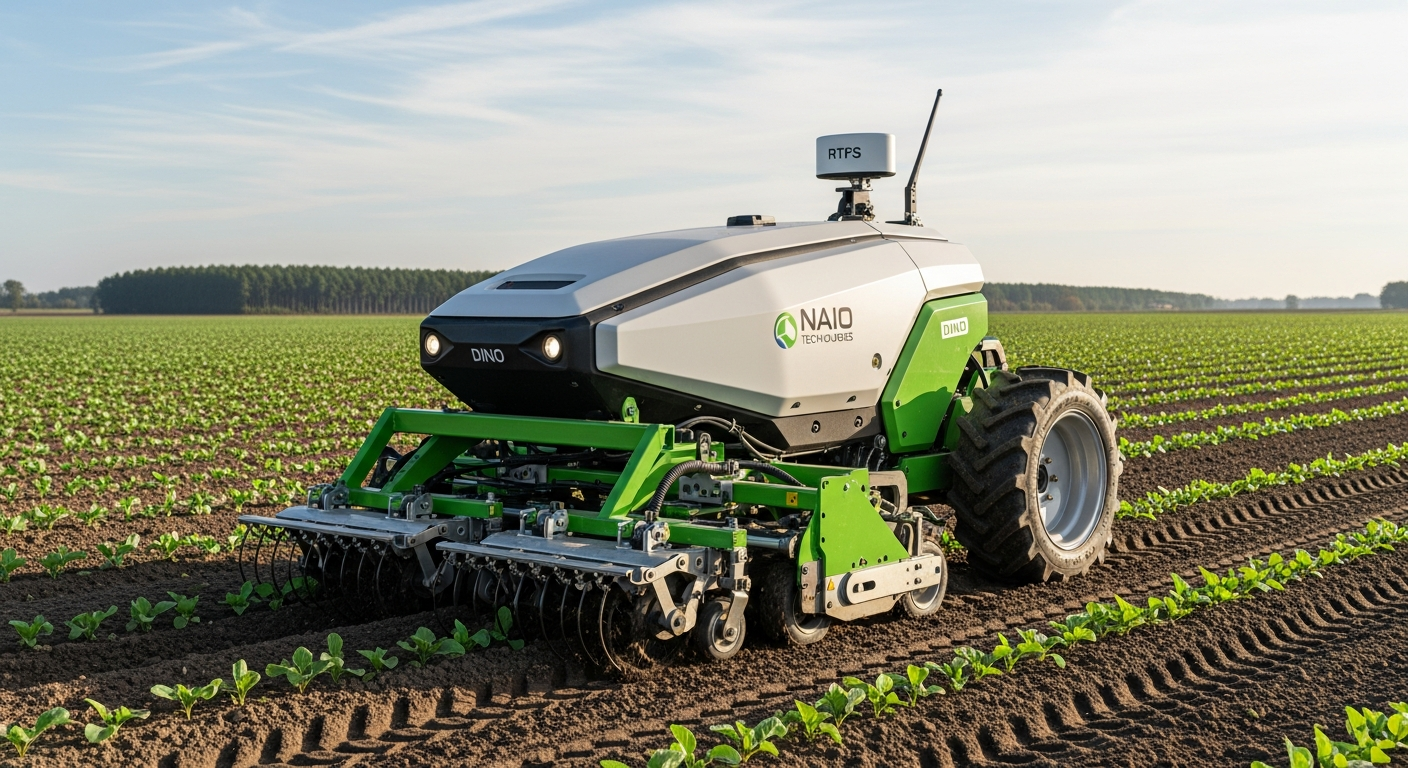
Naio Dino
Commercial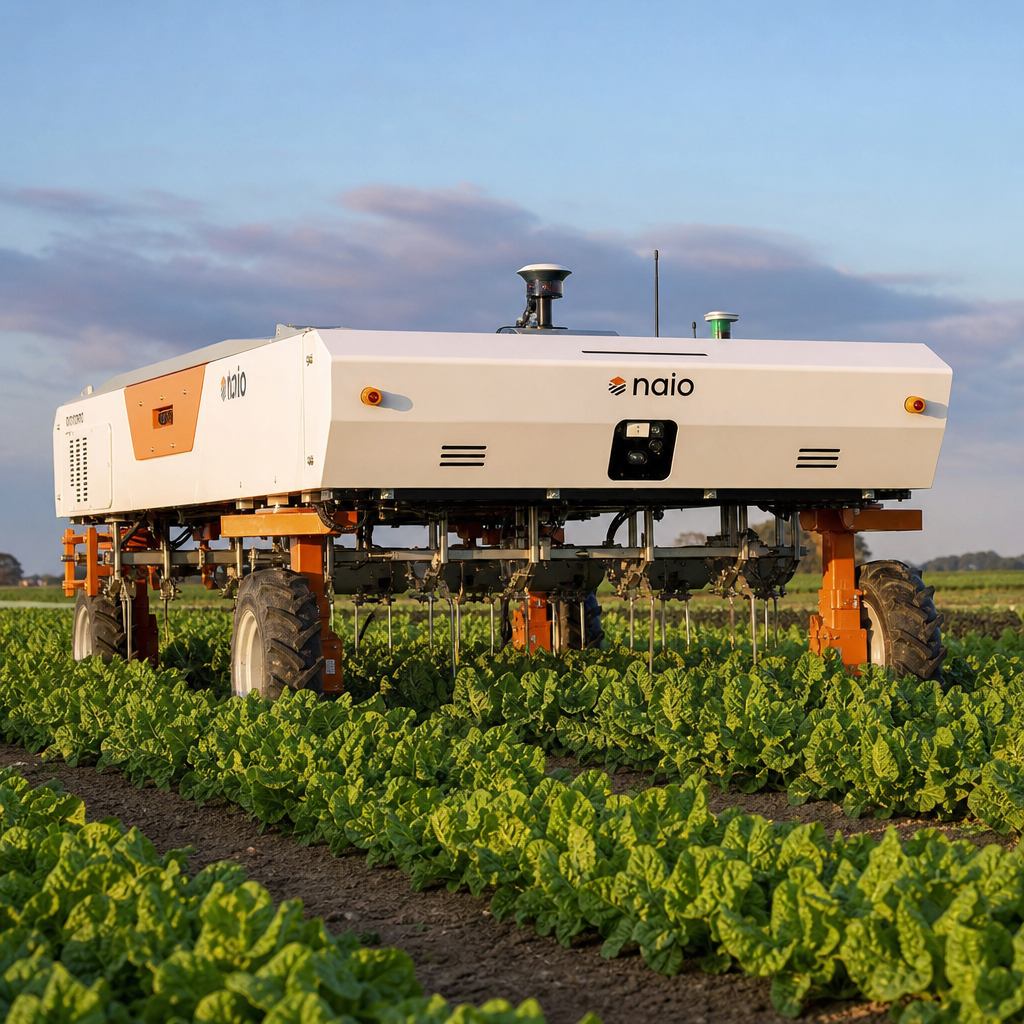
Naio Orio
Commercial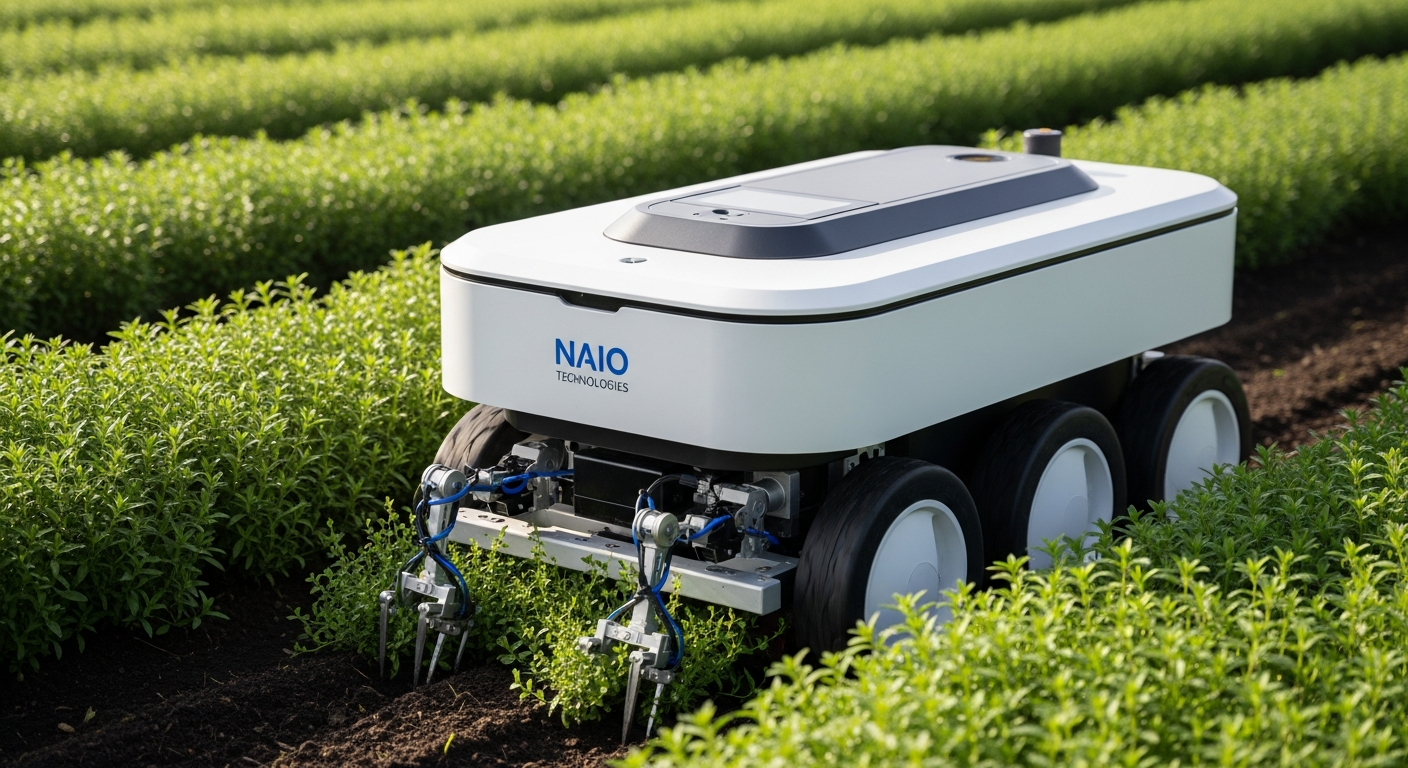
Naio Oz
Commercial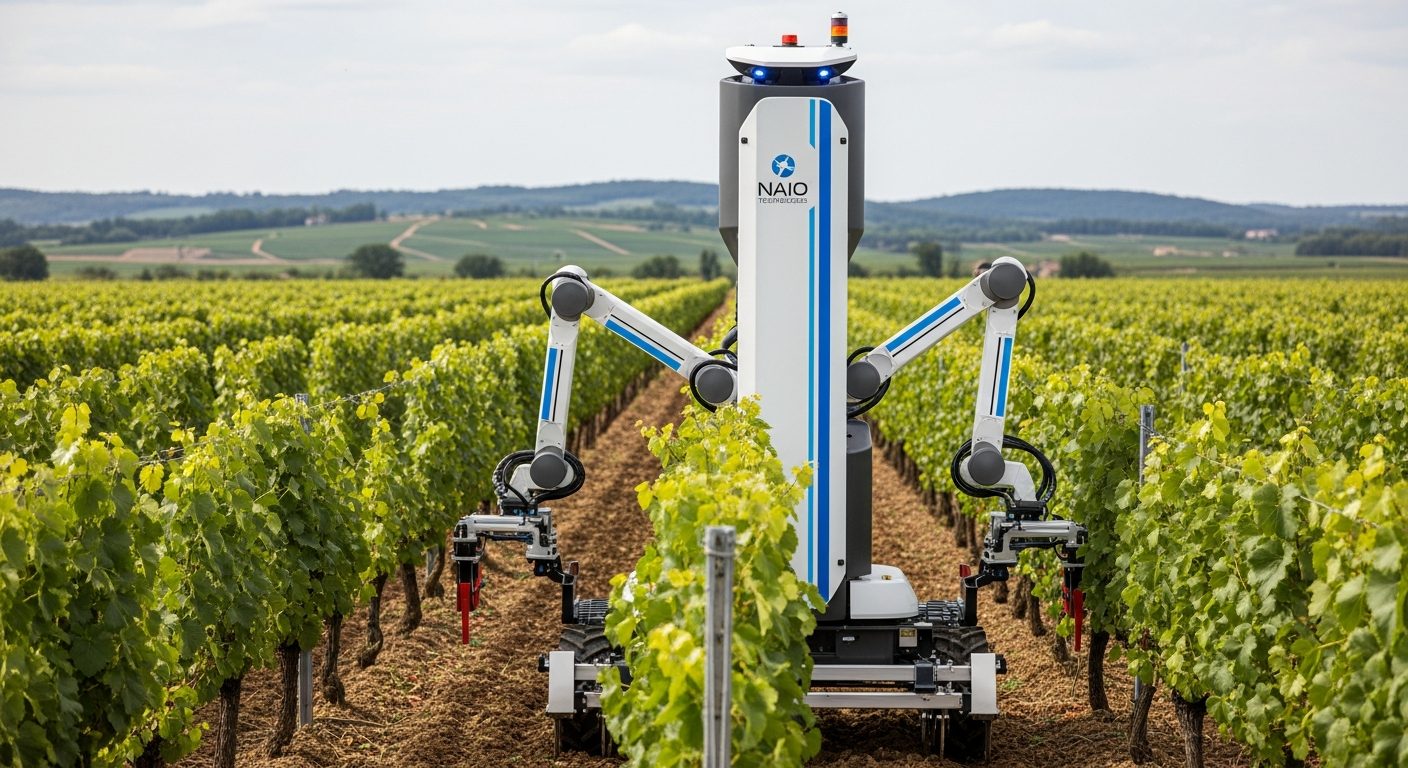
Naio Ted Vineyard Robot
CommercialFrequently Asked Questions
Why is the Netherlands a world leader in agricultural robotics?
The Netherlands combines tight labour markets, very high land values (€50,000–€100,000+/ha for horticulture land), strict EU environmental regulations, and a world-class research infrastructure centred around Wageningen University. These pressures drove early automation investment: Lely pioneered robotic milking commercially in 1992 and today operates in 65+ countries.
What Dutch companies make agricultural robots?
Lely (Maassluis) is the world's leading dairy robot manufacturer with over 35,000 units deployed globally. AgXeed (Haaften) makes autonomous field tractors for arable farming. DeLaval (now owned by Tetra Laval, Swedish, but with Dutch R&D presence) is another global dairy automation leader. The Netherlands also hosts dozens of greenhouse robotics startups through Food Valley in Wageningen.
How do Dutch farmers finance robotic milking systems?
Dutch dairy farmers typically finance robotic milking through Rabobank's agricultural lending programmes, Lely's own financing arm, or 7–10 year lease arrangements. The WBSO R&D credit reduces development costs for farms customising their systems. Average payback on a Lely Astronaut installation in the Netherlands is 4–6 years at current labour rates.