Market Intelligence
Agricultural Robots in New Zealand
New Zealand's world-leading dairy productivity and kiwifruit industry are driving precision milking automation and the development of commercial orchard harvest robots.
Market Overview
New Zealand is a global leader in dairy productivity and has one of the highest robotic milking adoption rates in the southern hemisphere. The kiwifruit industry — worth NZD $3 billion annually — faces acute harvest labour shortages, driving investment in orchard robotics. Robotics Plus (Tauranga) has become New Zealand's flagship ag robotics company with their commercially-deployed autonomous kiwifruit and apple harvester, which has attracted international deployment contracts.
Labour cost context: New Zealand farm workers earn NZD $23.15/hr minimum (2026). The Recognised Seasonal Employer (RSE) scheme brings in Pacific Island workers, but demand consistently exceeds the quota of ~19,000 places — creating strong economic pressure on growers to automate harvest operations.
Government Subsidies & Grant Programmes
Callaghan Innovation Project Grants
Co-funding of 20–40% for R&D projects at New Zealand companies including ag robotics development. Grants of NZD $10,000–$5 million for eligible research and development activities in horticulture and dairy technology.
Learn more ↗MPI Sustainable Food and Fibre Futures (SFF Futures)
Ministry for Primary Industries co-investment fund for innovations improving sustainability and productivity in primary industries, including precision horticulture robotics and smart dairy systems.
Learn more ↗Regional Business Partner (RBP) Network
Government-funded business advisory and co-funding providing access to R&D and capability grants up to NZD $100,000 per year for ag tech companies developing new robotic systems.
Learn more ↗Robots Available in New Zealand(12)
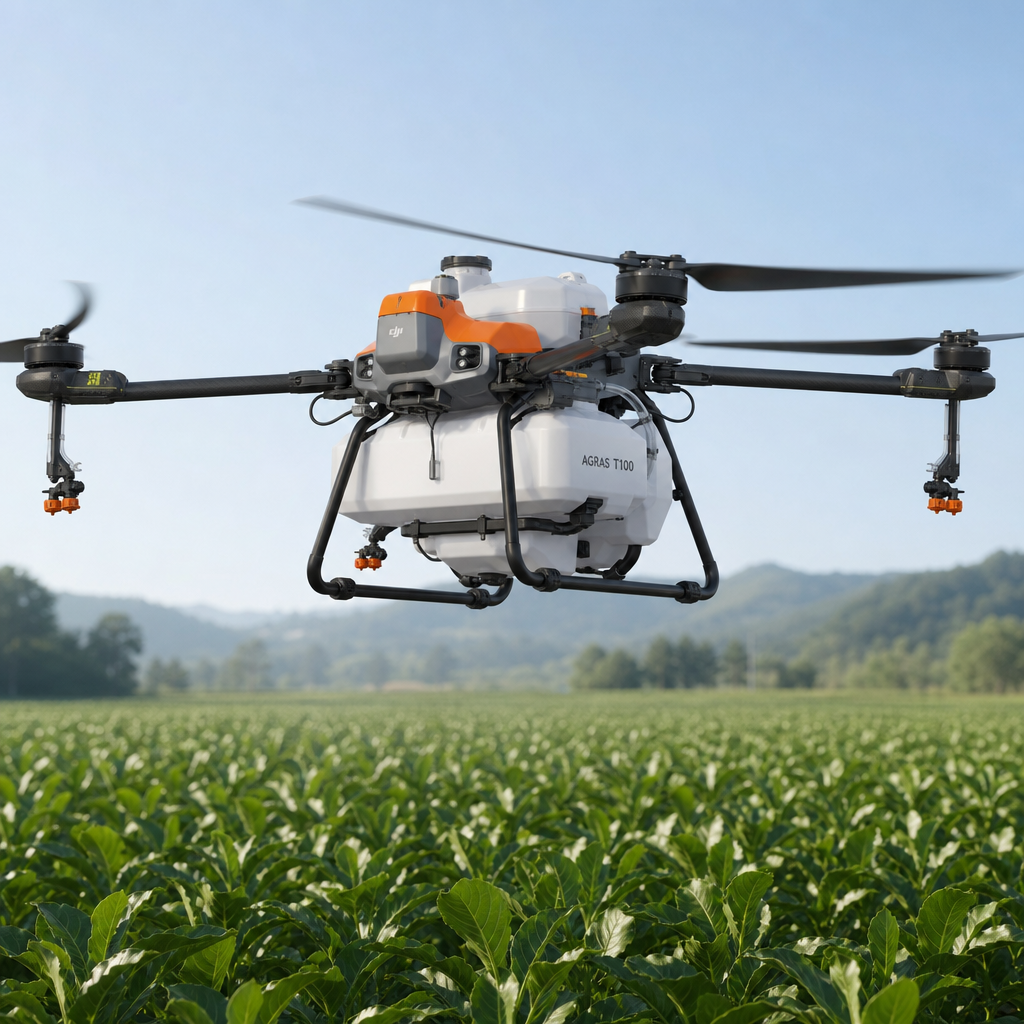
DJI Agras T100
Commercial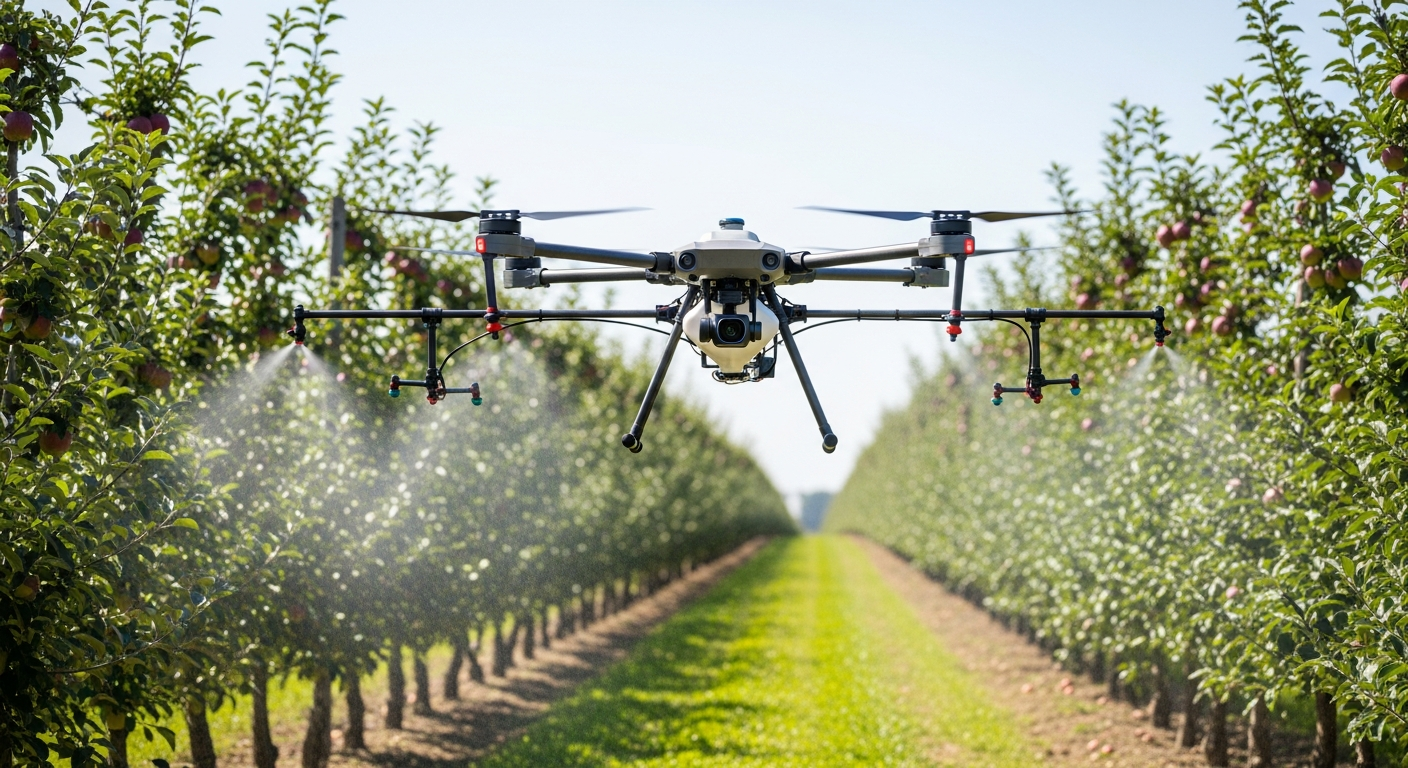
DJI Agras T25
Commercial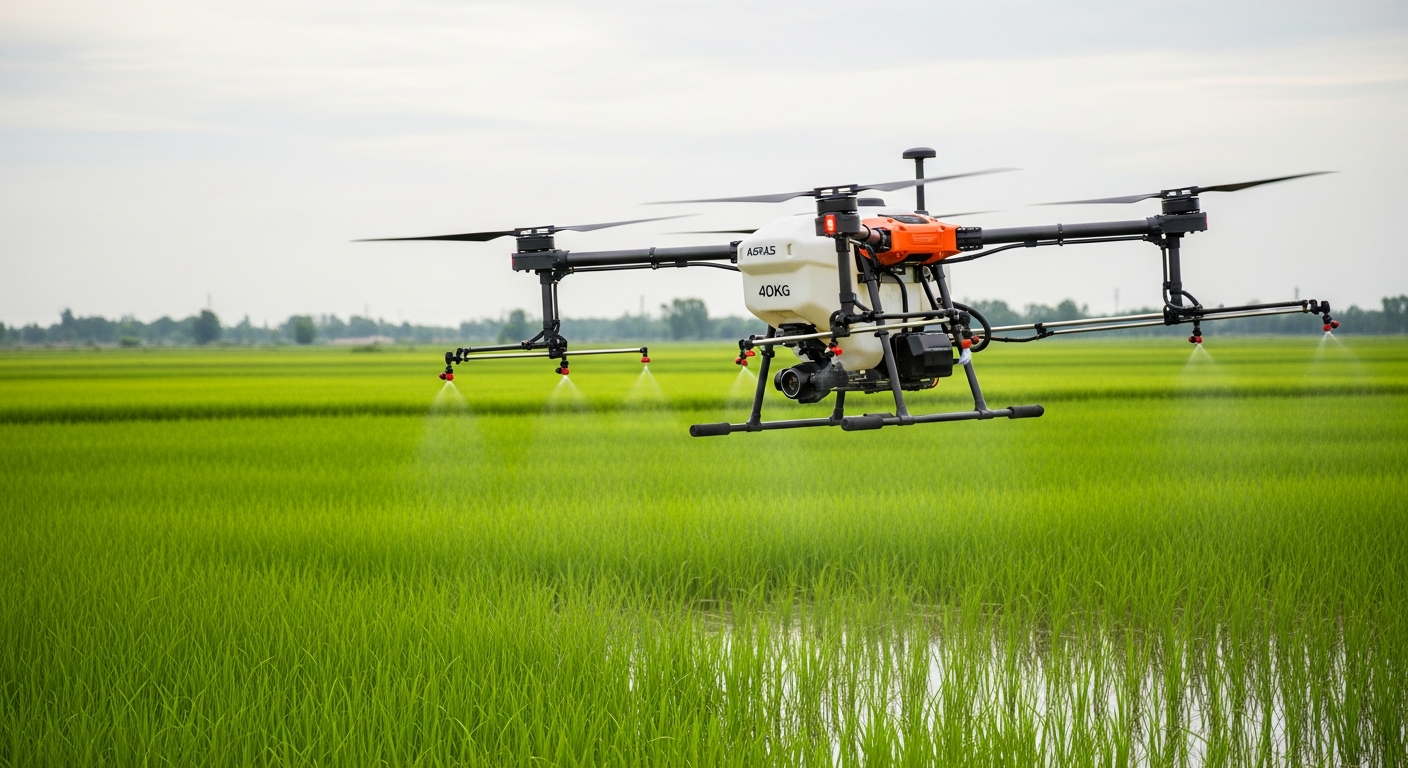
DJI Agras T40
Commercial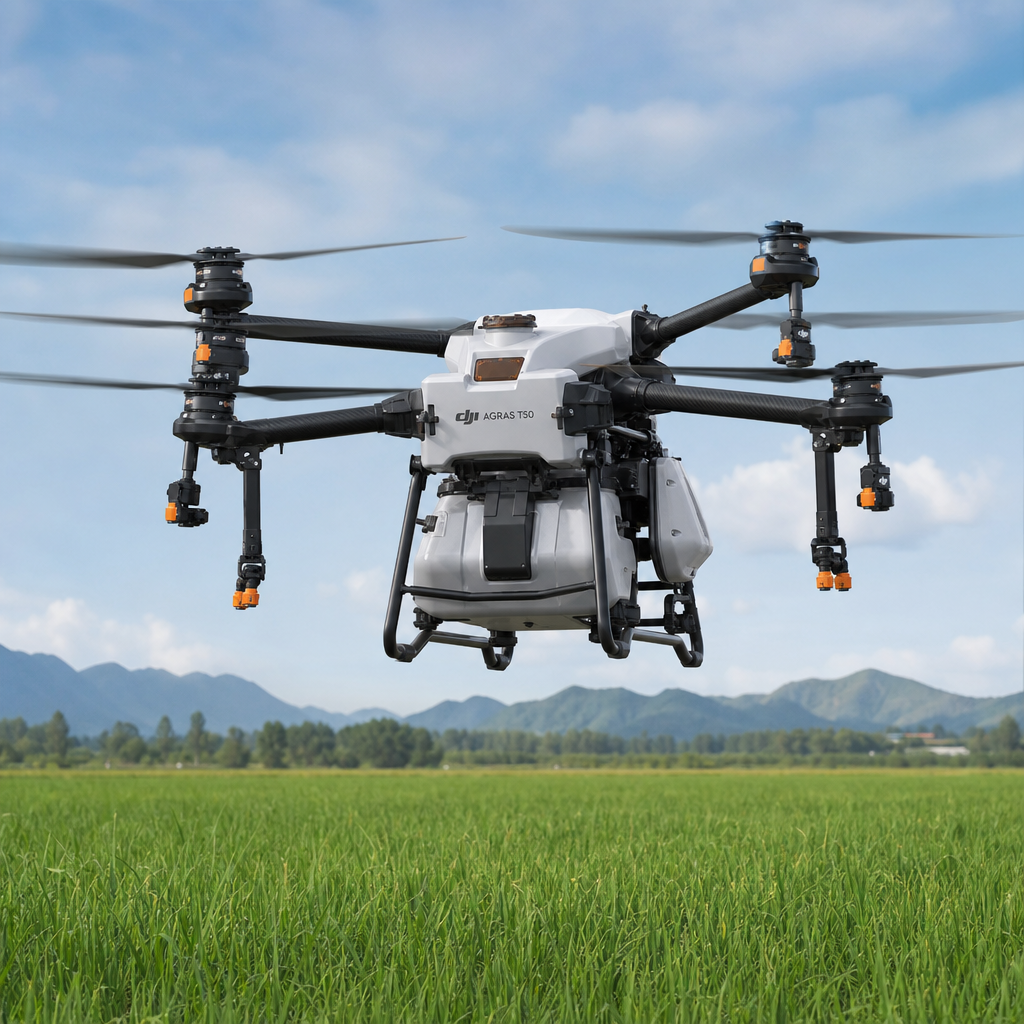
DJI Agras T50
Commercial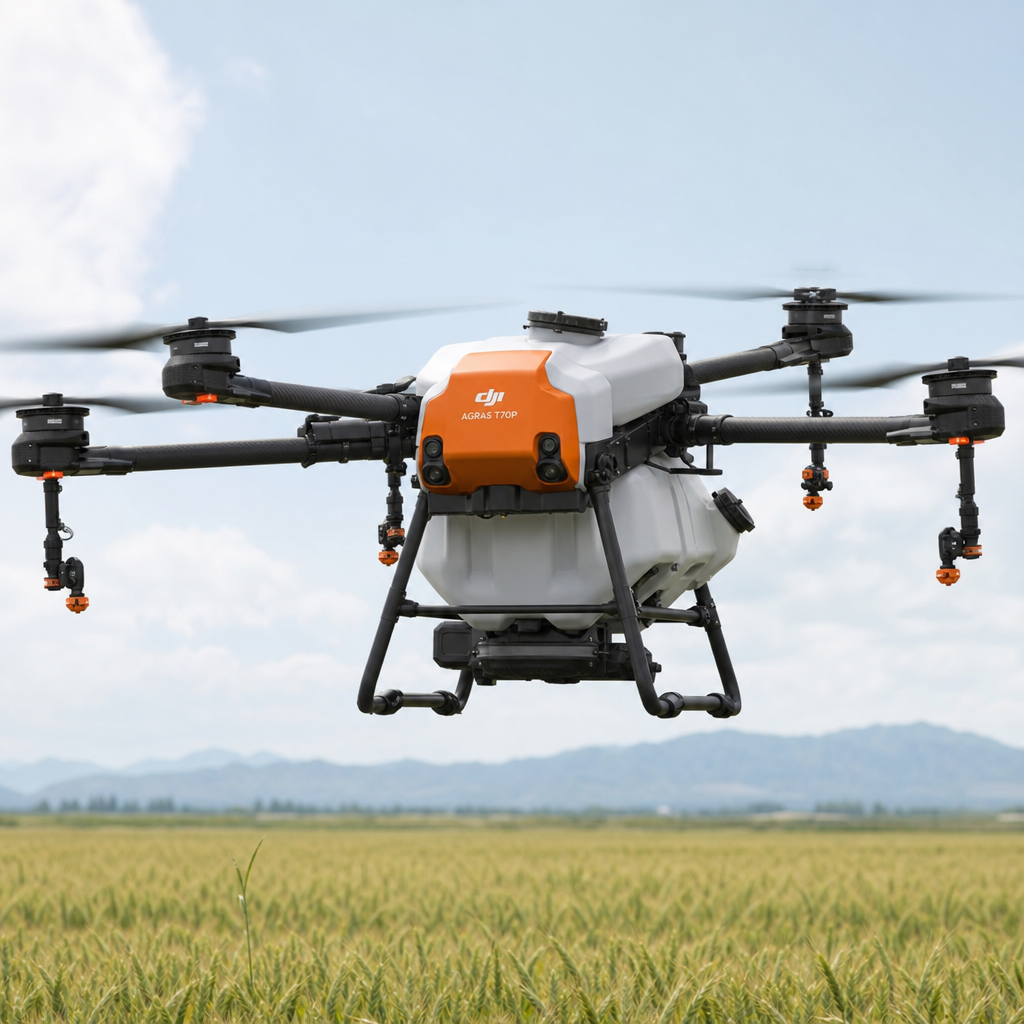
DJI Agras T70P
Commercial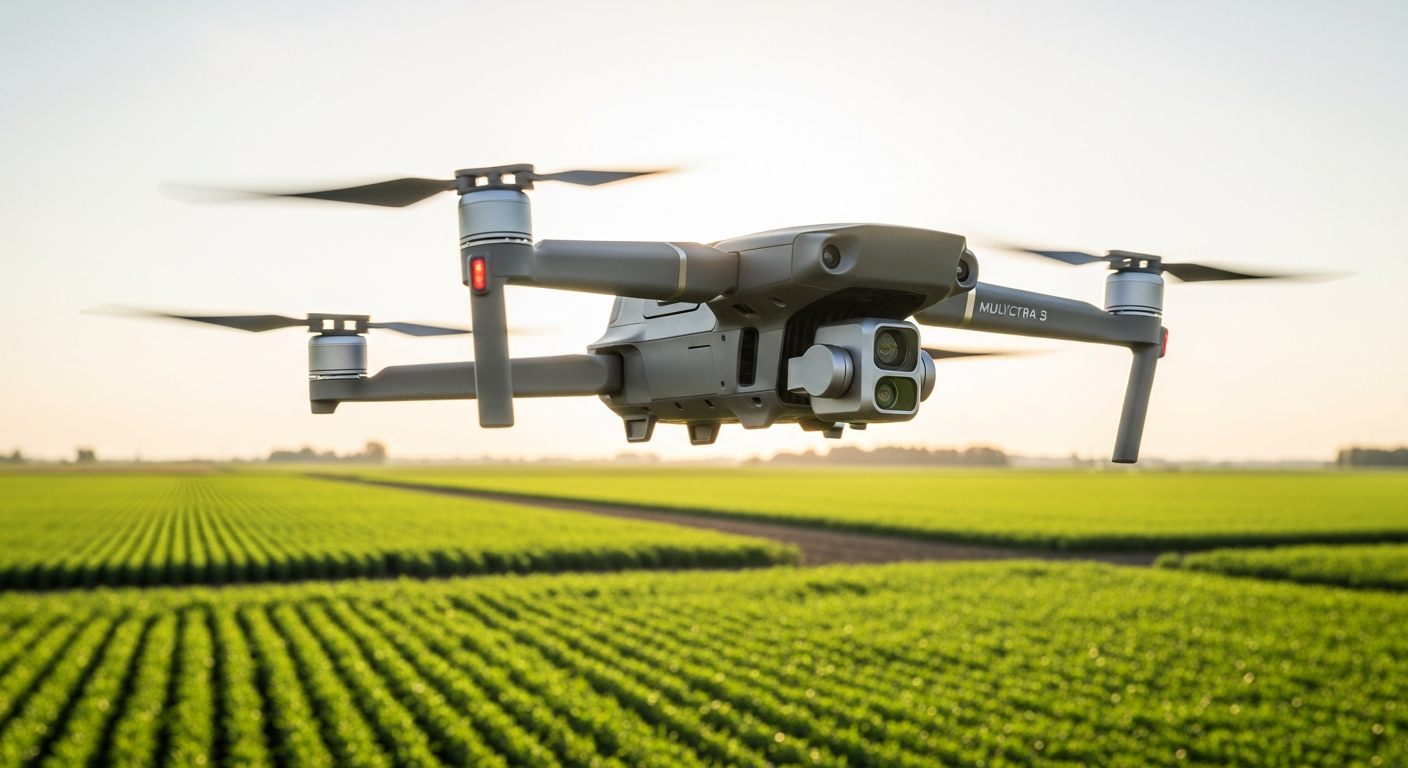
DJI Mavic 3 Multispectral
Commercial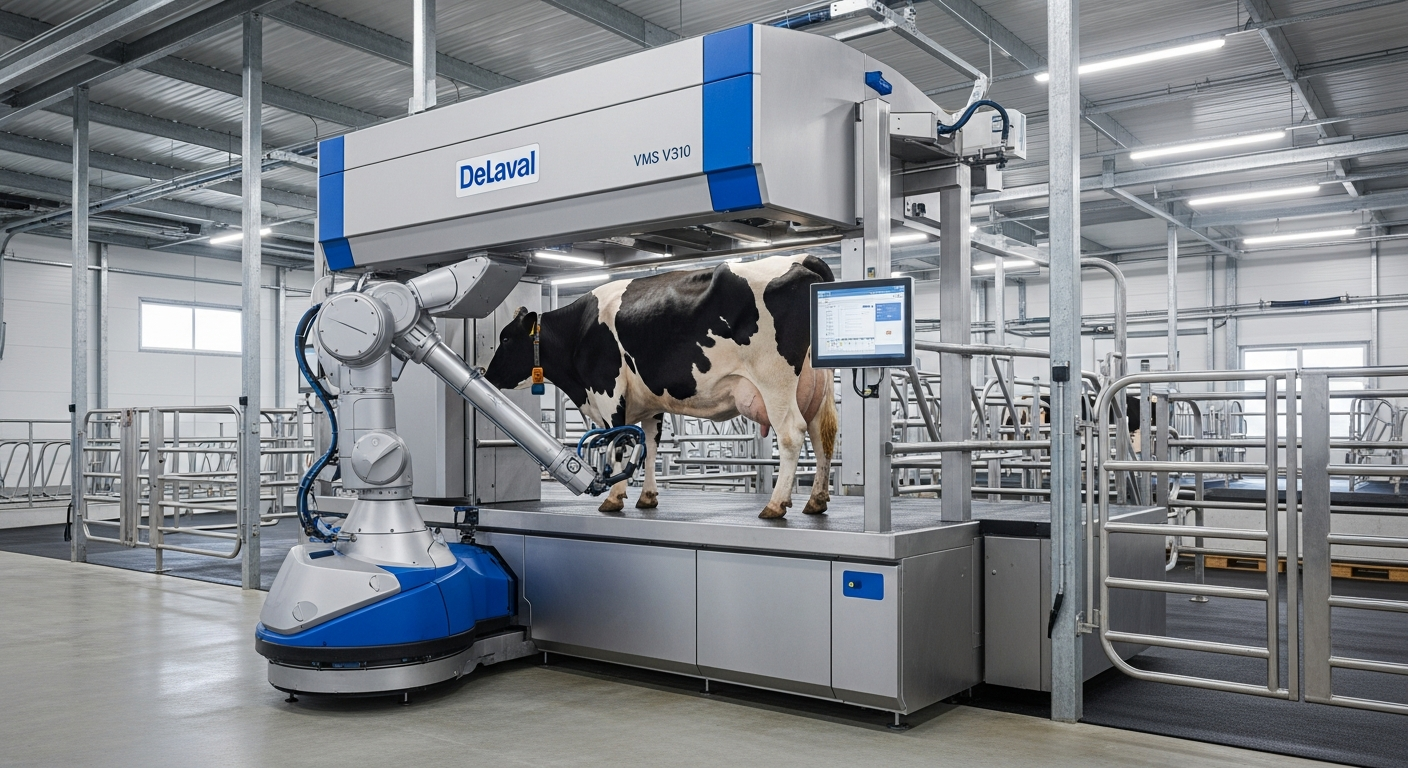
DeLaval VMS V310
Commercial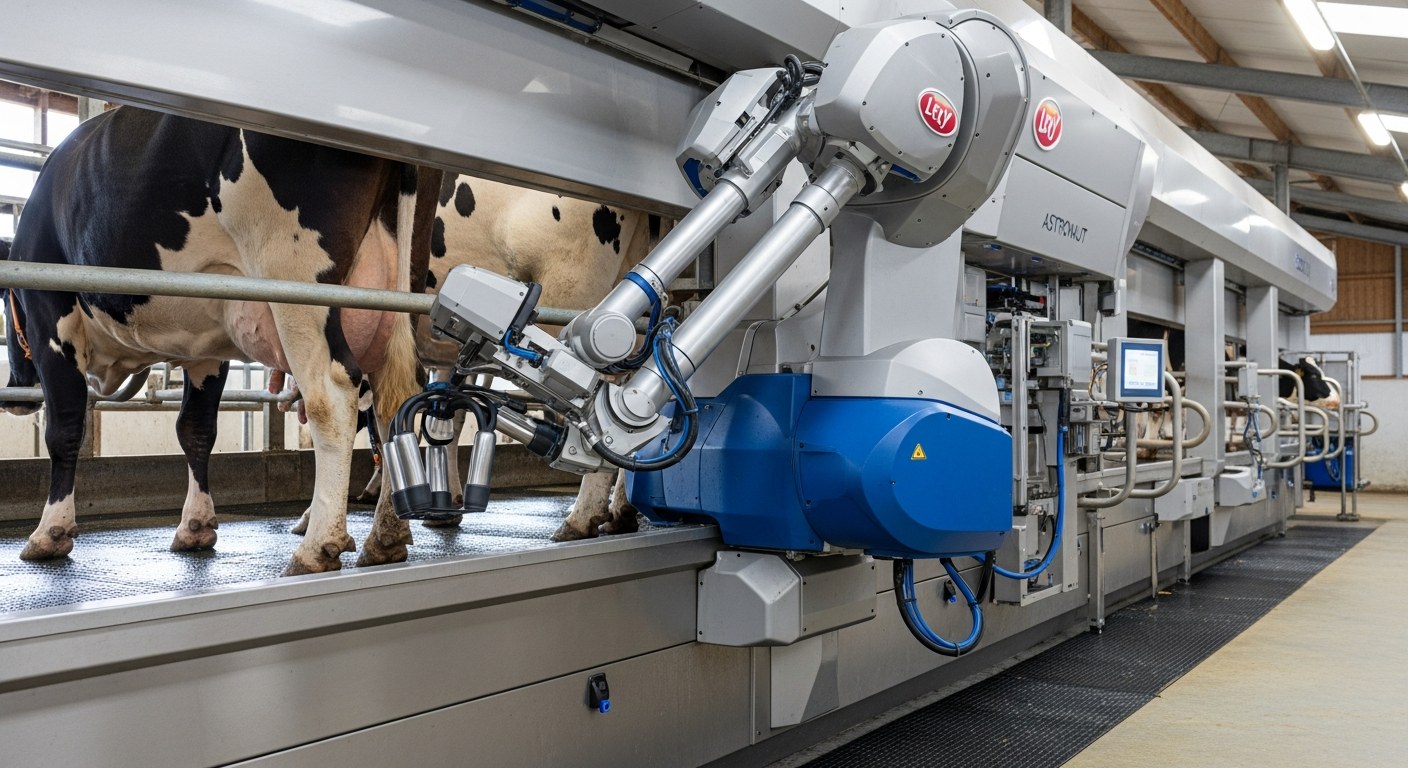
Lely Astronaut A5
Commercial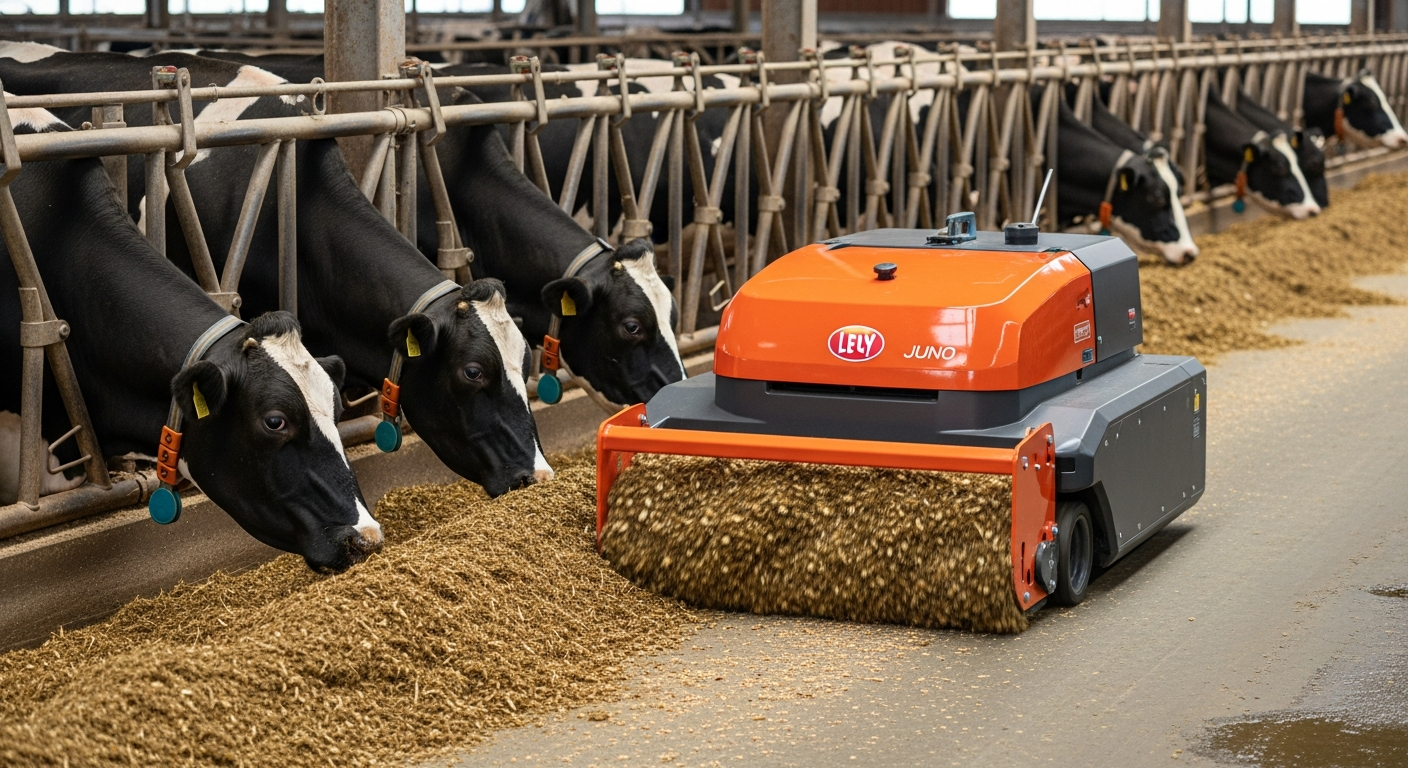
Lely Juno Feed Pusher
Commercial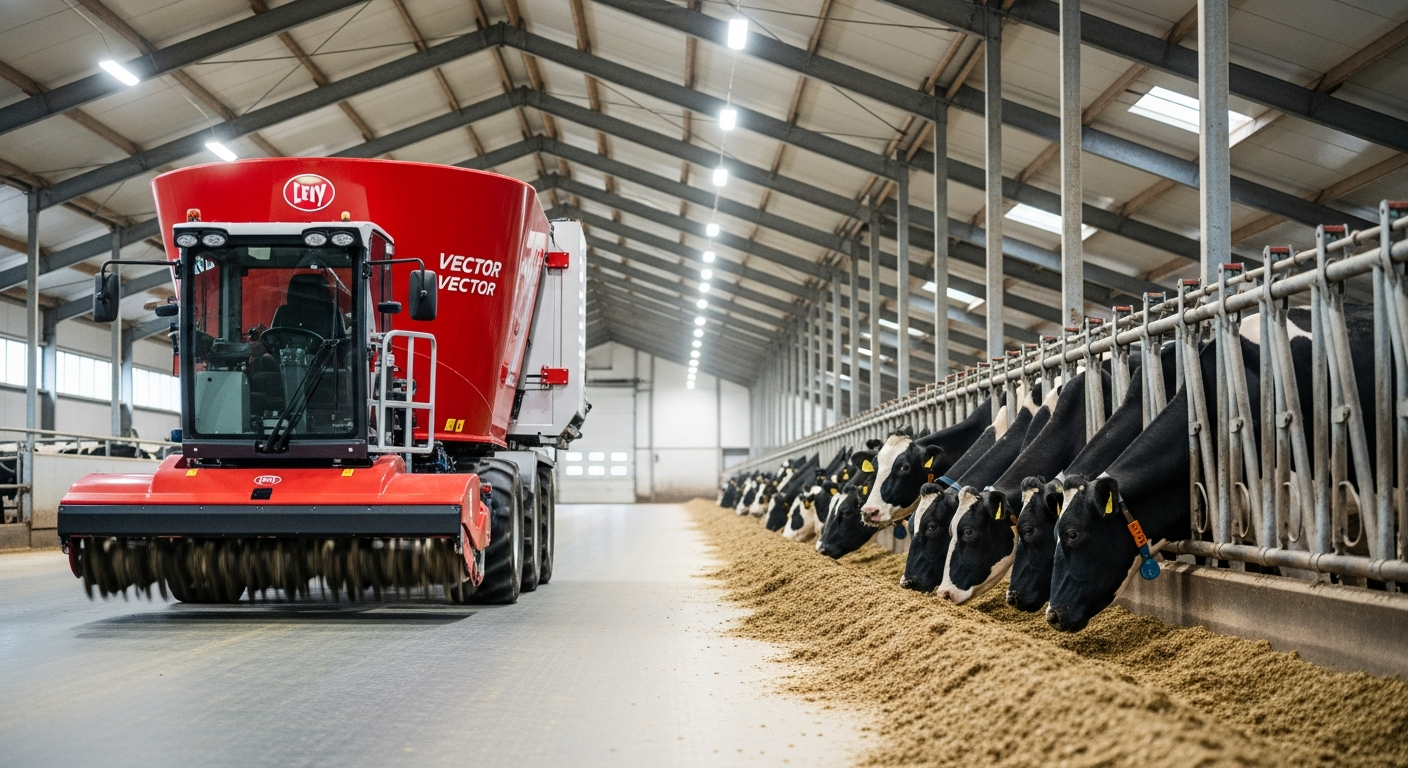
Lely Vector Feed Mixer
Commercial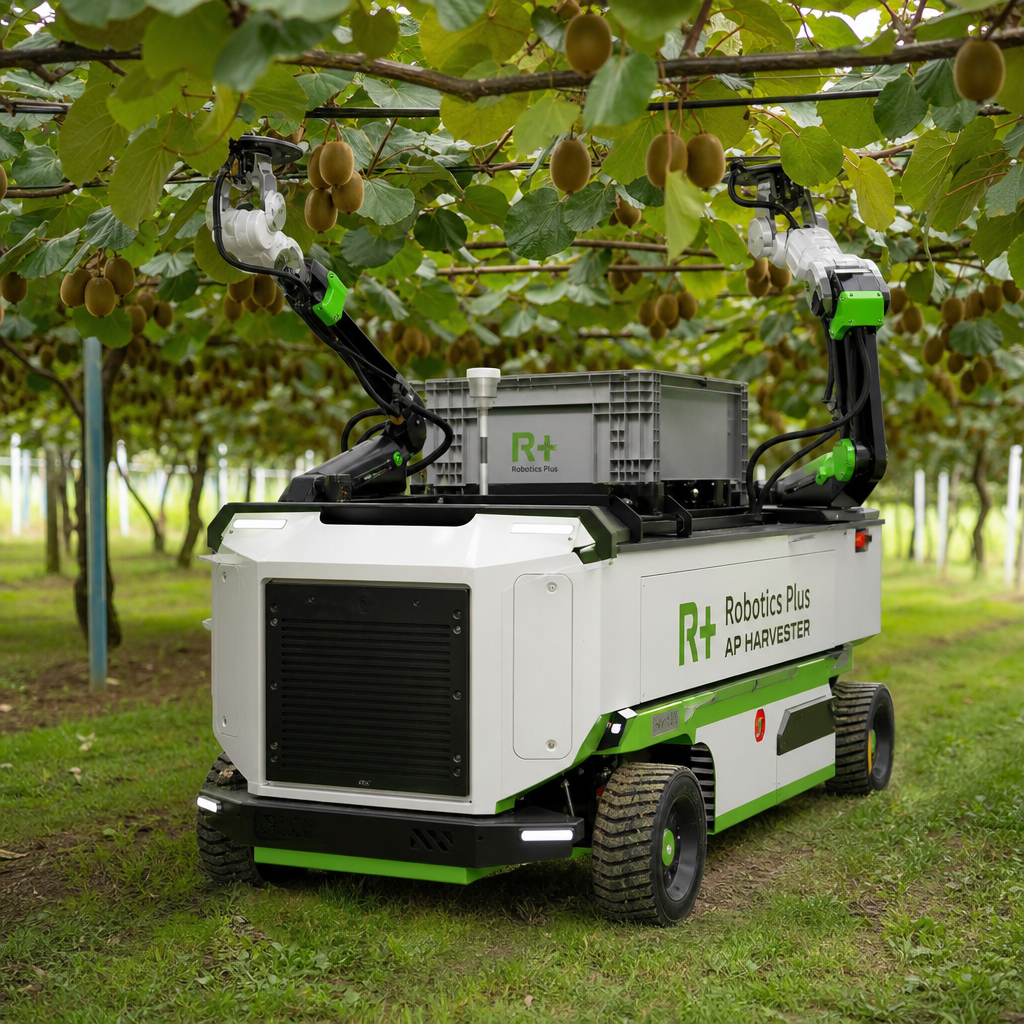
Robotics Plus AP Harvester
Pilot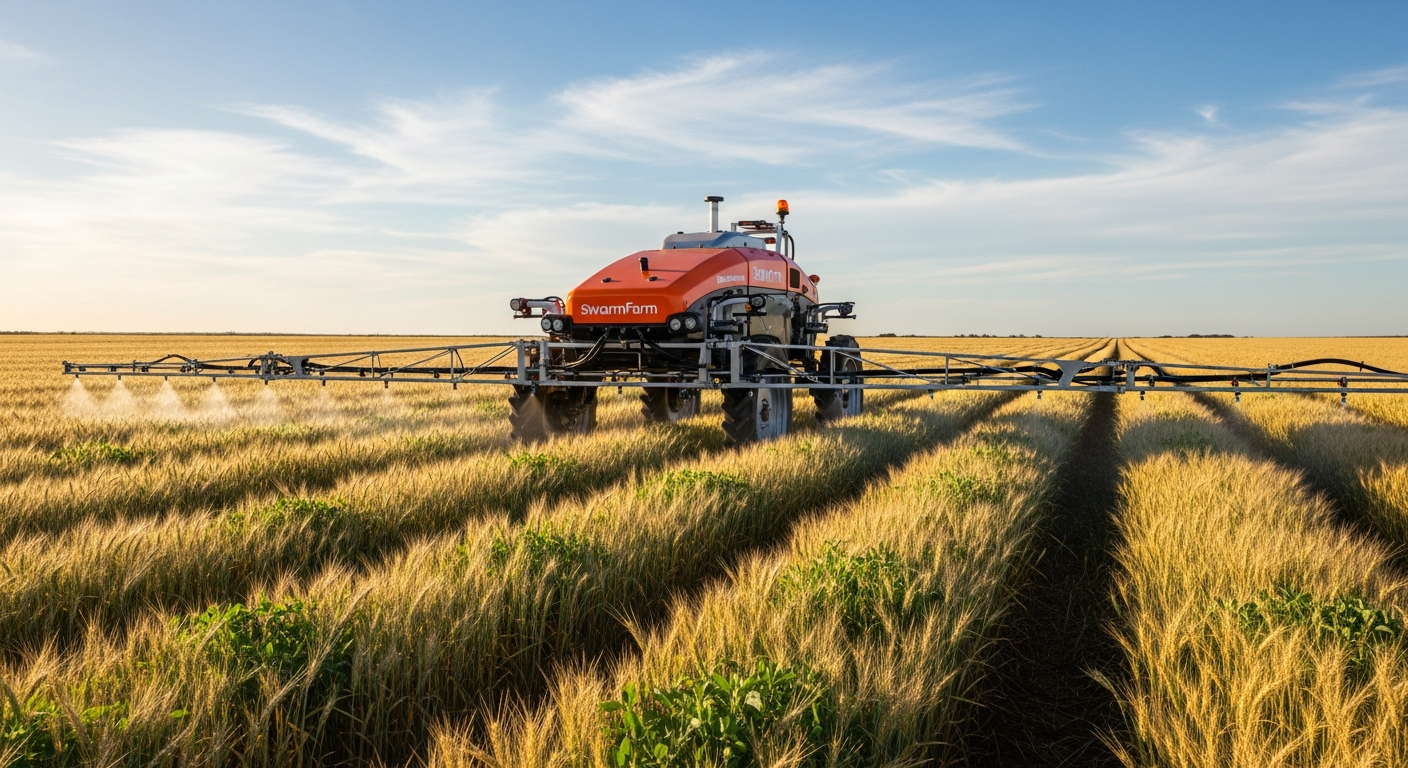
SwarmFarm SwarmBot
CommercialFrequently Asked Questions
What agricultural robots are made in New Zealand?
Robotics Plus (Tauranga) is New Zealand's leading ag robotics manufacturer, developing autonomous harvesters for kiwifruit and apple orchards. Their AP20 apple harvester and kiwifruit picking robot are deployed commercially in New Zealand and internationally. Halter (Auckland) has developed GPS-based virtual fencing for dairy cows that is widely adopted on New Zealand's pasture-based dairy farms.
Are robotic milking systems suited to New Zealand dairy farming?
Robotic milking adoption is growing in New Zealand but slower than in Europe, because NZ's dominant pasture-based rotational grazing model differs from the barn-based housing that AMS robots are optimised for. However, as farms move to partial barn housing during winter, Lely AMS and similar systems are increasingly viable. Halter's virtual fencing for pasture management is more widely adopted than robotic milking.
How does New Zealand support ag robotics development?
Callaghan Innovation is the primary R&D co-funding body, offering 20–40% matching grants. The Ministry for Primary Industries' SFF Futures fund co-invests in primary industry innovation projects. New Zealand's universities — Lincoln University (Canterbury) and Massey (Palmerston North) — have strong agricultural engineering programmes that collaborate with industry on robotics R&D and field trials.