Market Intelligence
Agricultural Robots in United States
The world's largest ag-robotics market, driven by labour shortages and vast commodity crop acreage.
Market Overview
The United States is the largest agricultural robotics market globally, with California's specialty crops, the Midwest's row crops, and the Southeast's commodity farms each driving different automation categories. Labour shortages — particularly for harvest operations — have accelerated investment, with the H-2A seasonal worker programme costing growers $15–25/hr per worker before overhead. Venture funding into US ag robotics exceeded $2 billion between 2020–2025, more than any other country.
Labour cost context: US farm labour costs $13–$25/hr depending on state and season. California's rising minimum wages and labour scarcity are pushing specialty crop growers toward automation at an accelerating rate.
Government Subsidies & Grant Programmes
USDA EQIP (Environmental Quality Incentives Program)
Cost-share programme covering precision agriculture equipment including robots, drones, and GPS guidance systems. Individual payments of $3,000–$75,000 per farm practice depending on state allocation.
Learn more ↗USDA Conservation Innovation Grants (CIG)
Competitive grants for innovative on-farm conservation technologies. Agricultural robots that reduce chemical runoff or soil compaction often qualify for national or state CIG rounds.
Learn more ↗Inflation Reduction Act — USDA Conservation Provisions
$19.5 billion for USDA conservation programmes 2023–2031, boosting EQIP funding for precision agriculture equipment that reduces greenhouse gas emissions.
Learn more ↗Robots Available in United States(36)
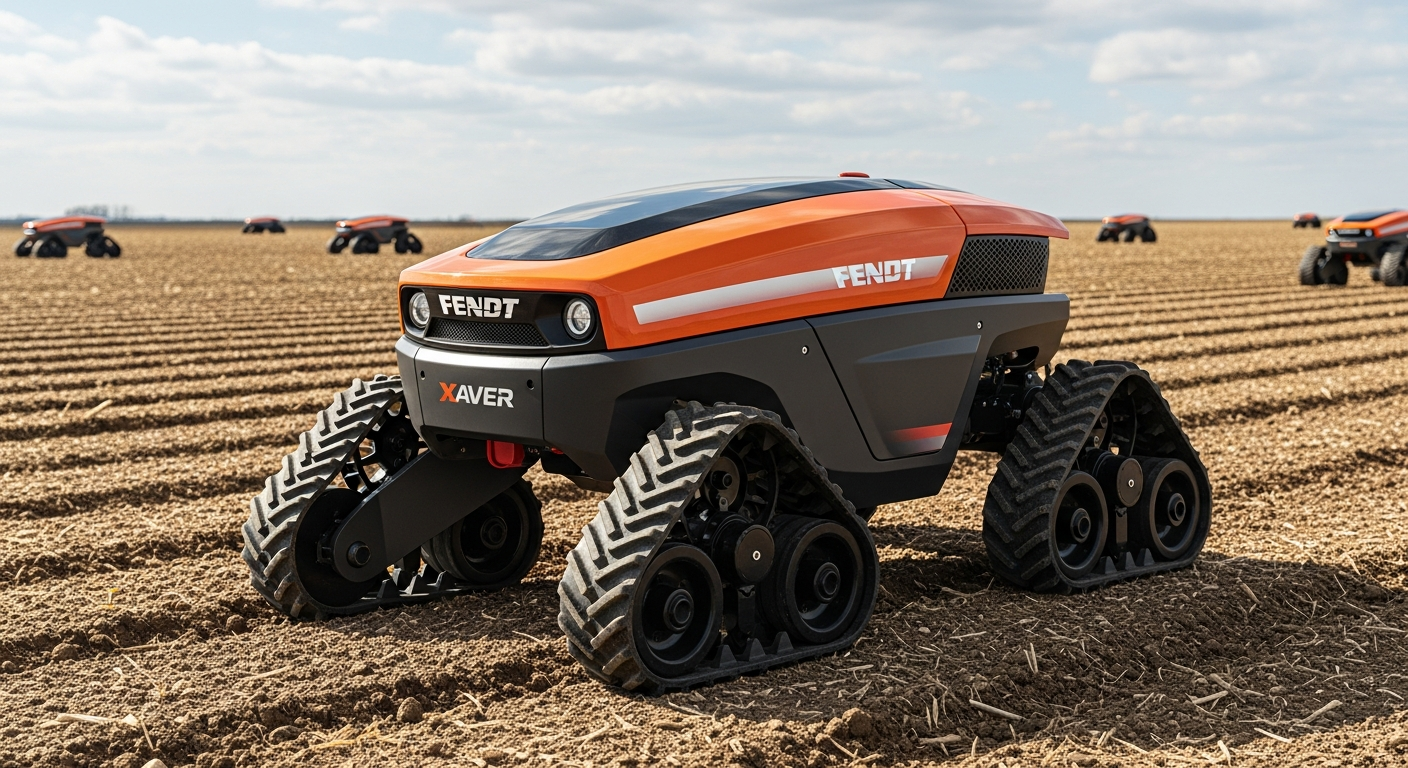
AGCO Fendt Xaver
Pilot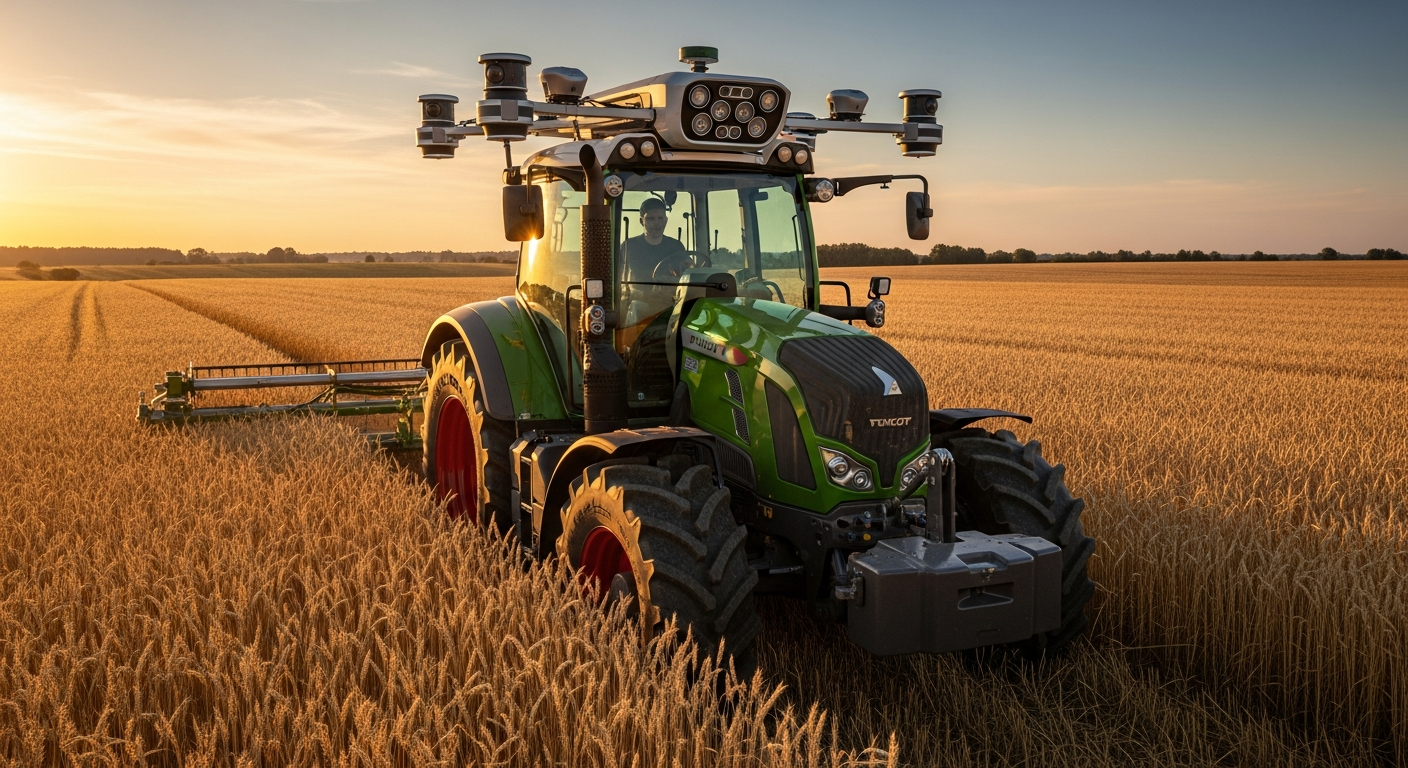
AGCO Outrun Retrofit Kit
Commercial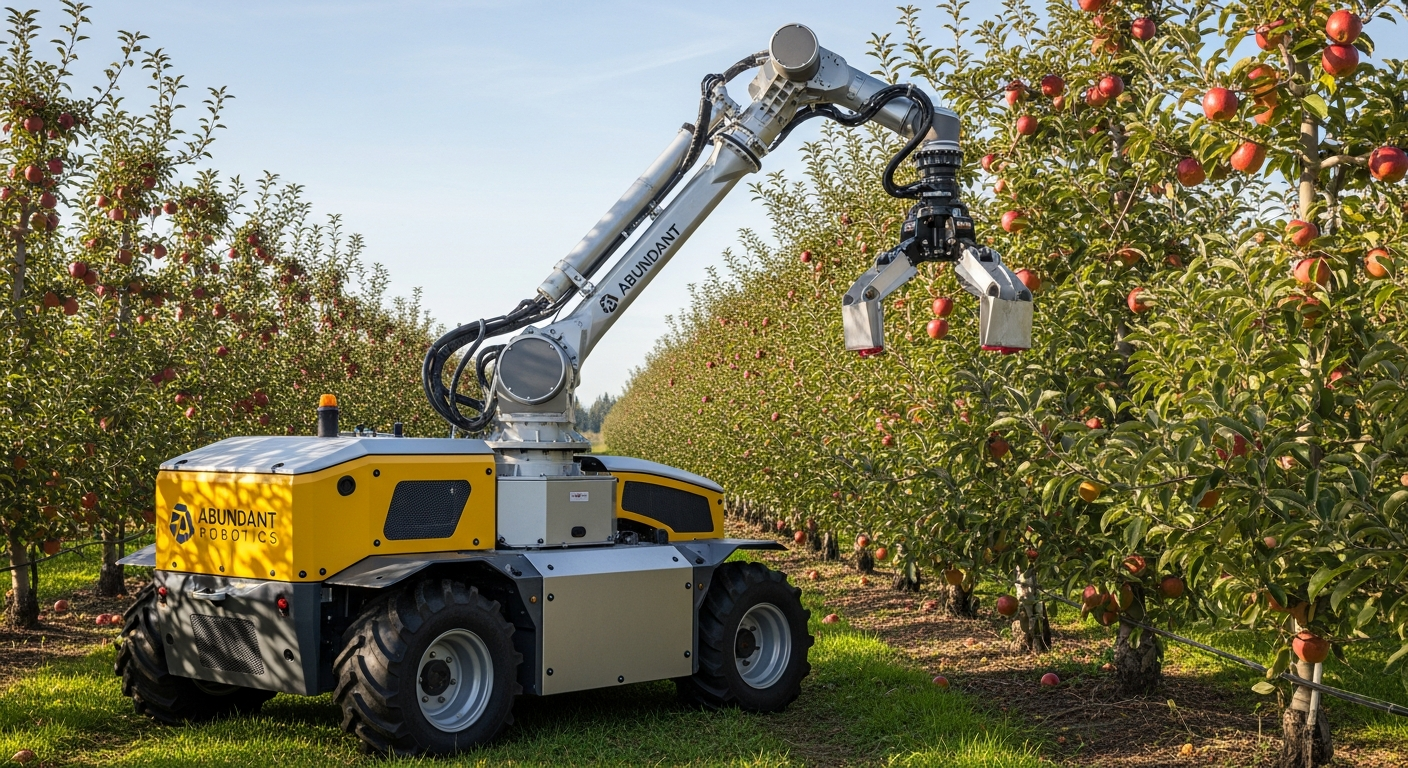
Abundant Robotics Apple Harvester
Pilot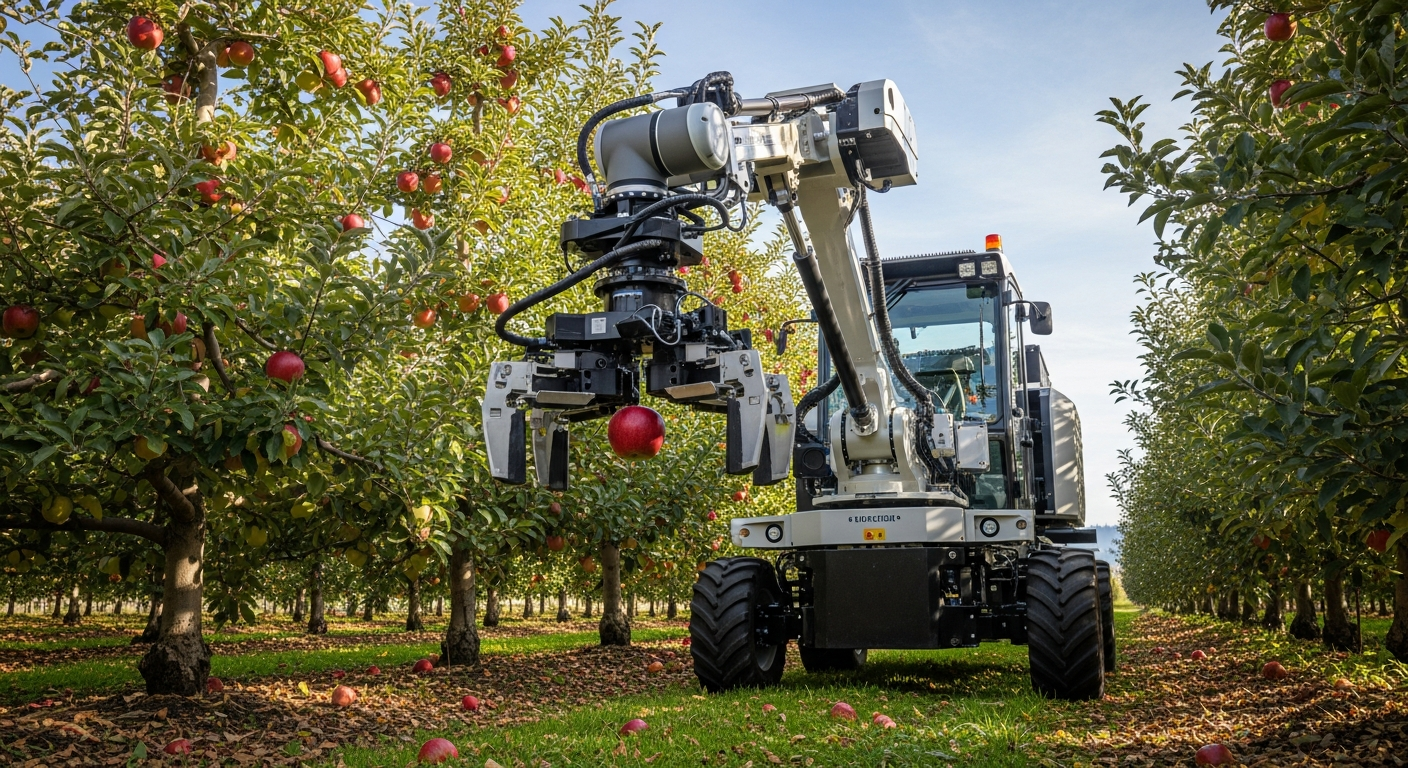
Advanced Farm T-22 Apple Harvester
Pilot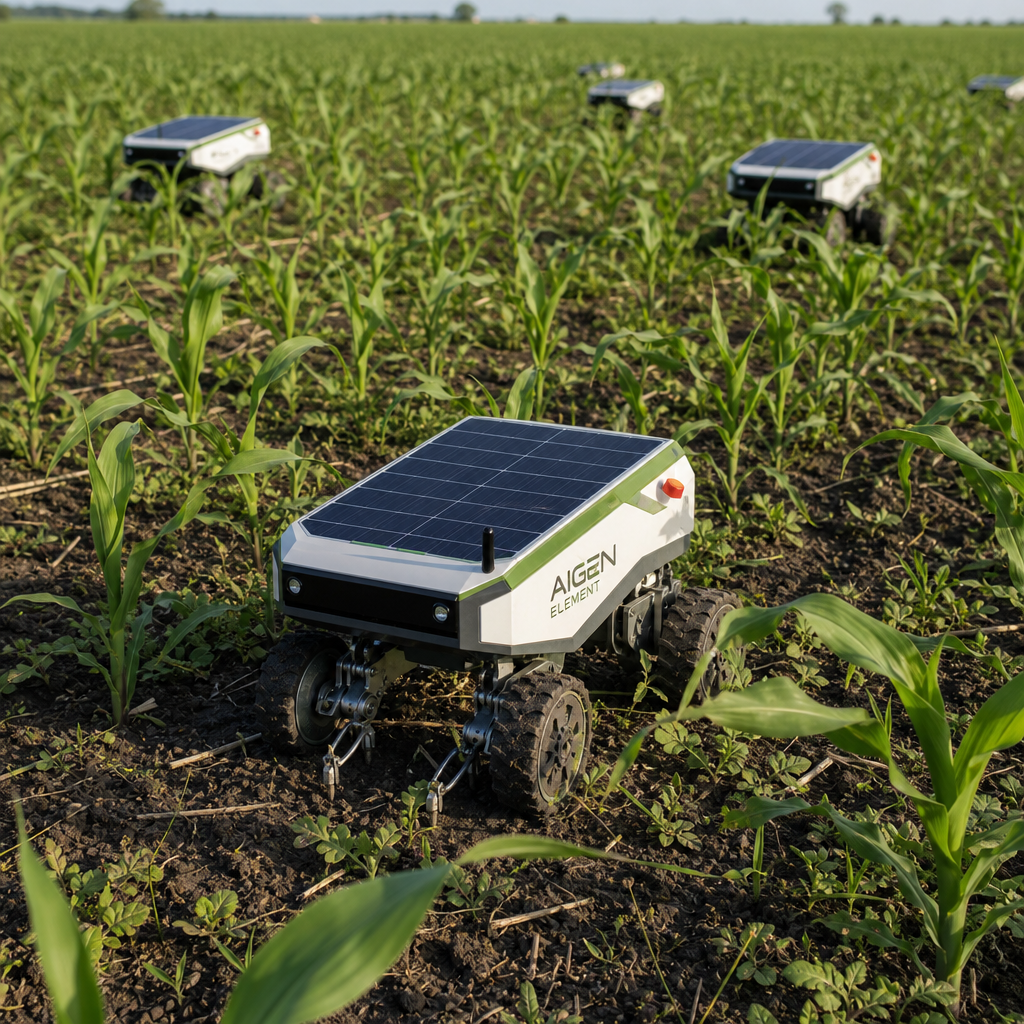
Aigen Element
Pilot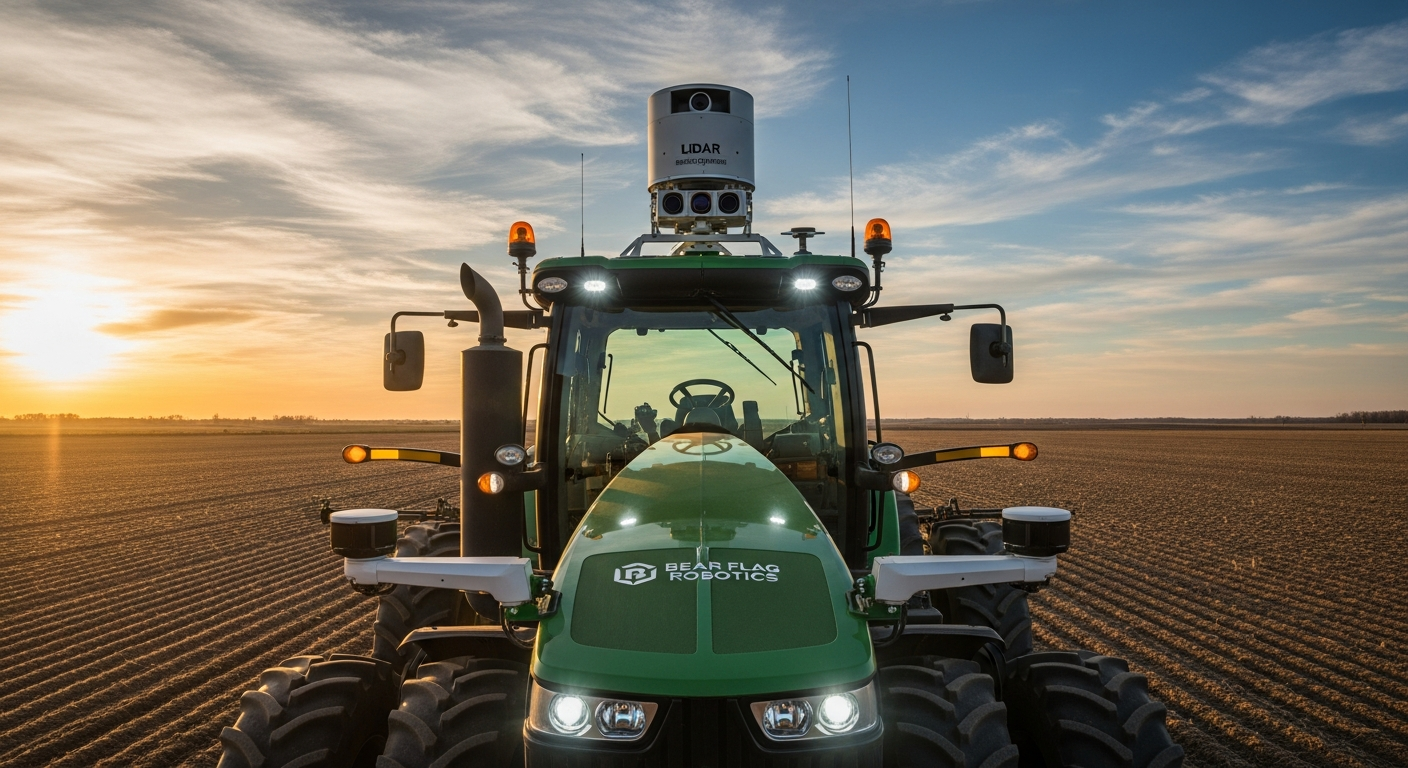
Bear Flag AutoTractor
Commercial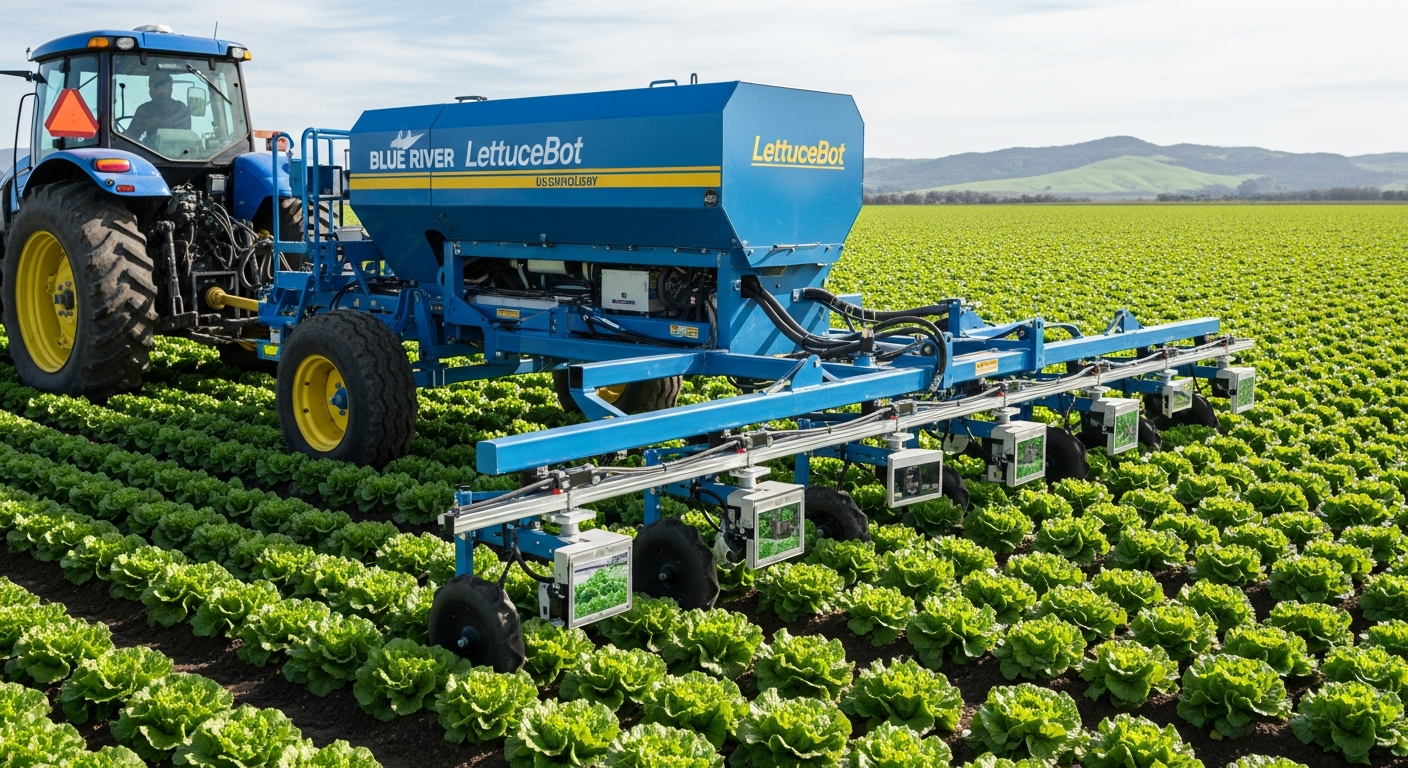
Blue River LettuceBot
Commercial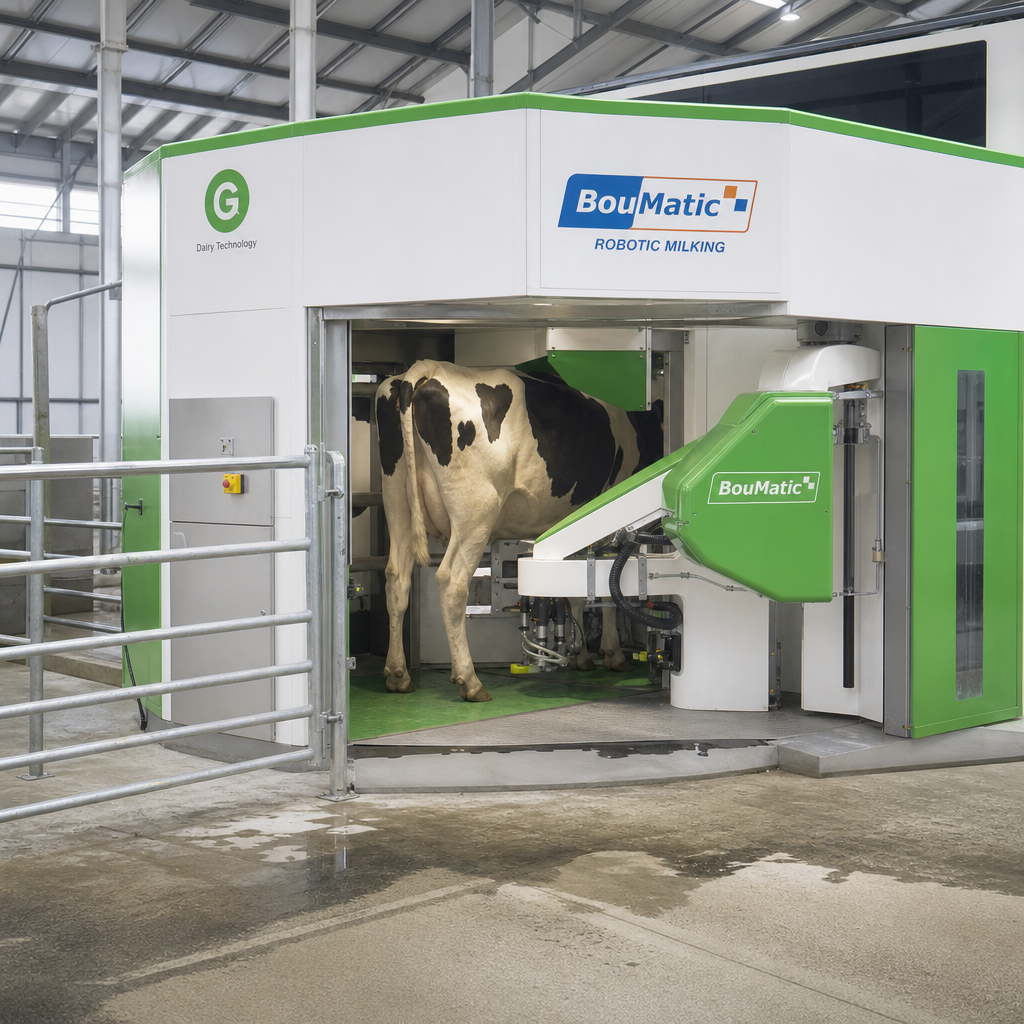
BouMatic Robotic Milker
Commercial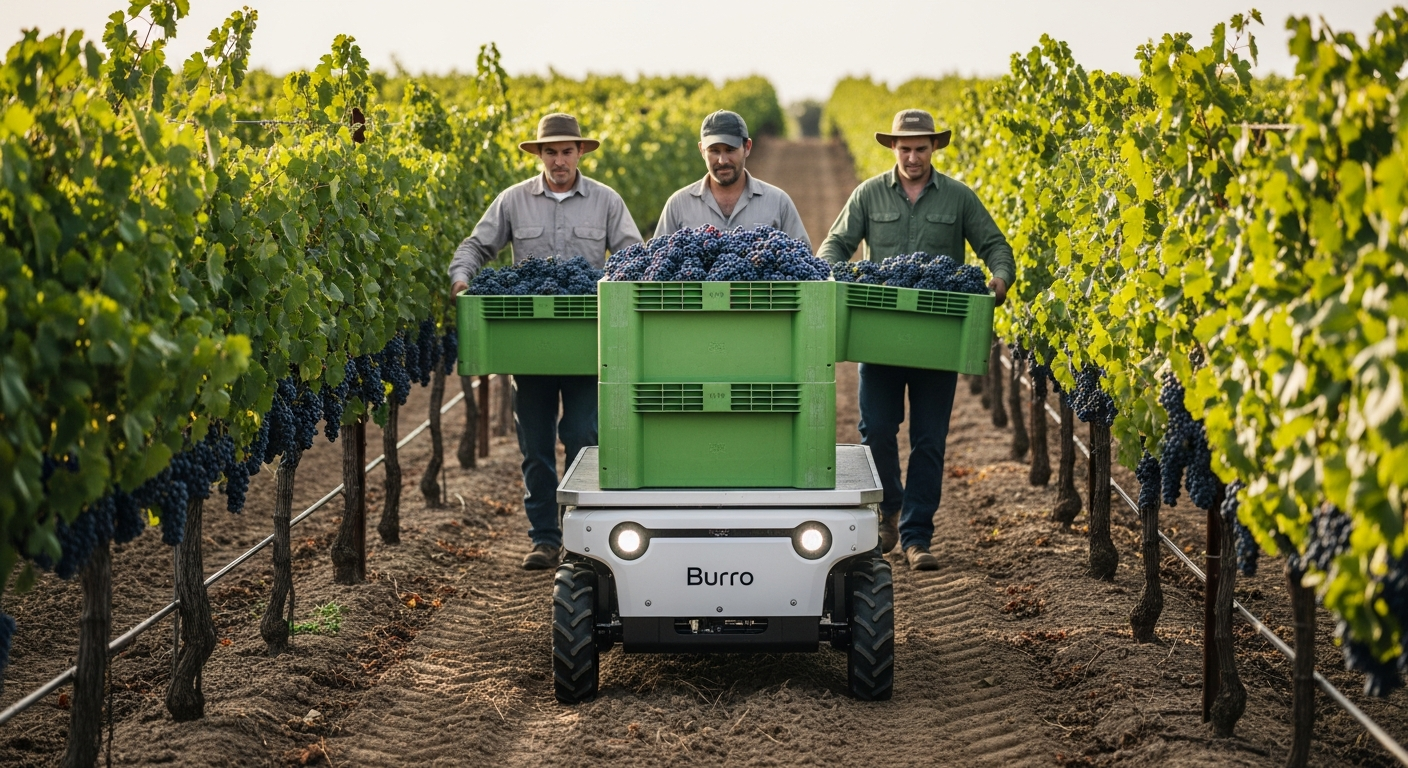
Burro Grande
Commercial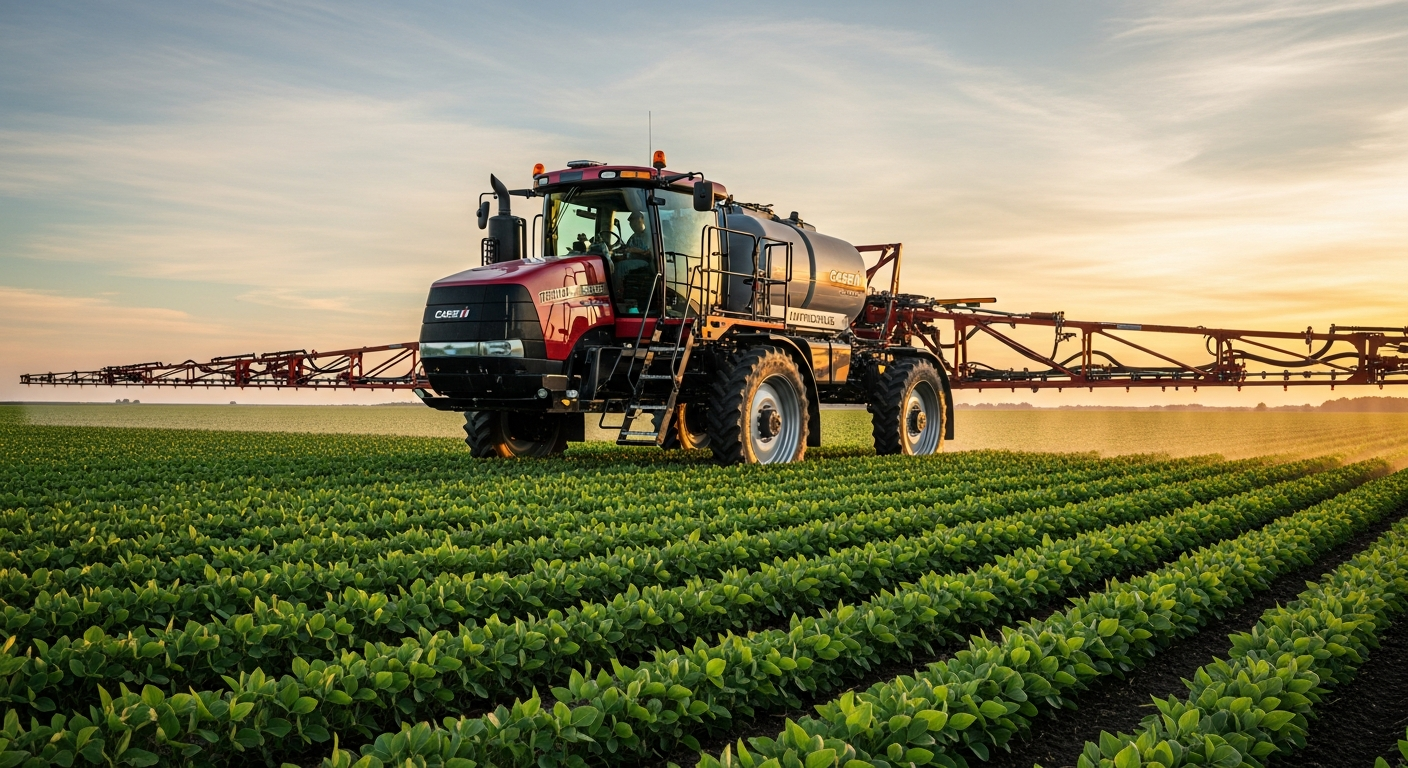
CNH Case IH Trident 5550
Commercial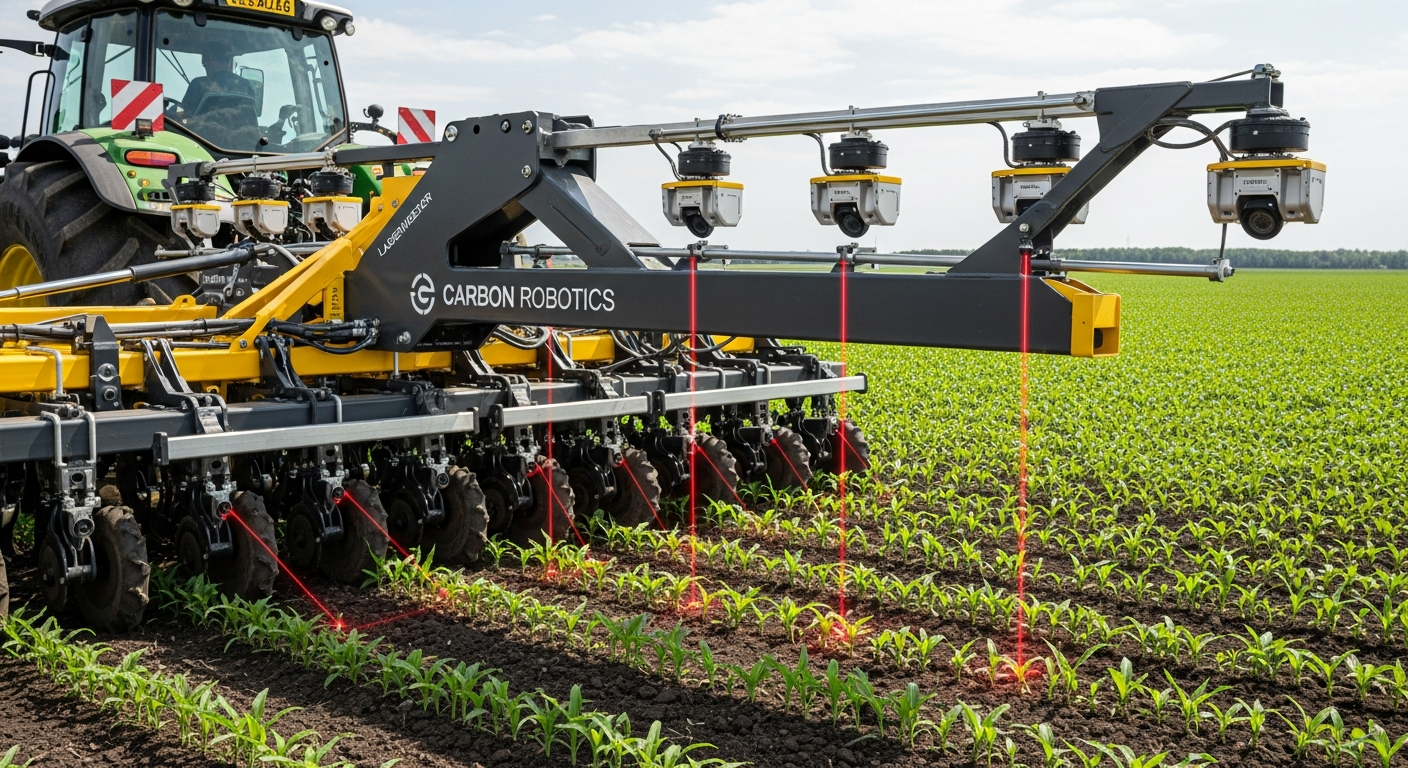
Carbon Robotics LaserWeeder
Commercial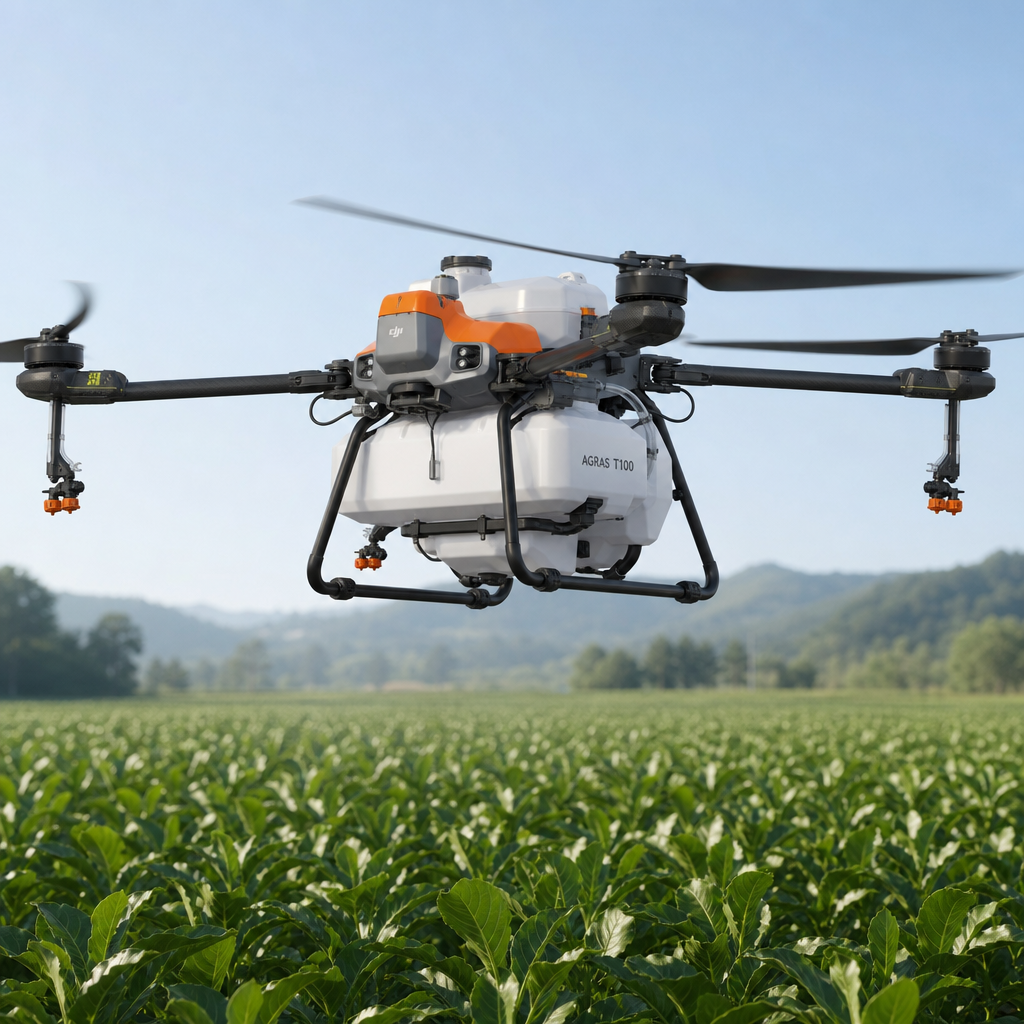
DJI Agras T100
Commercial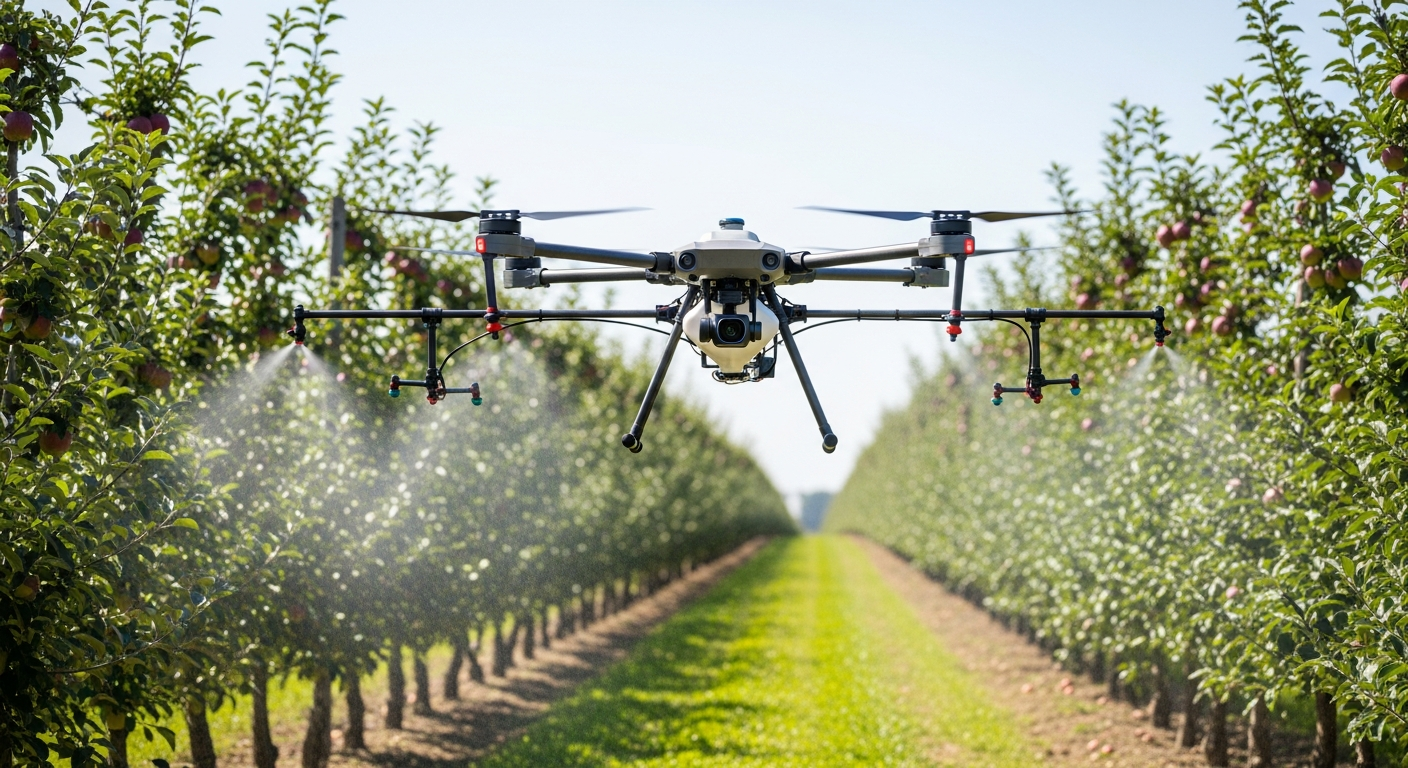
DJI Agras T25
Commercial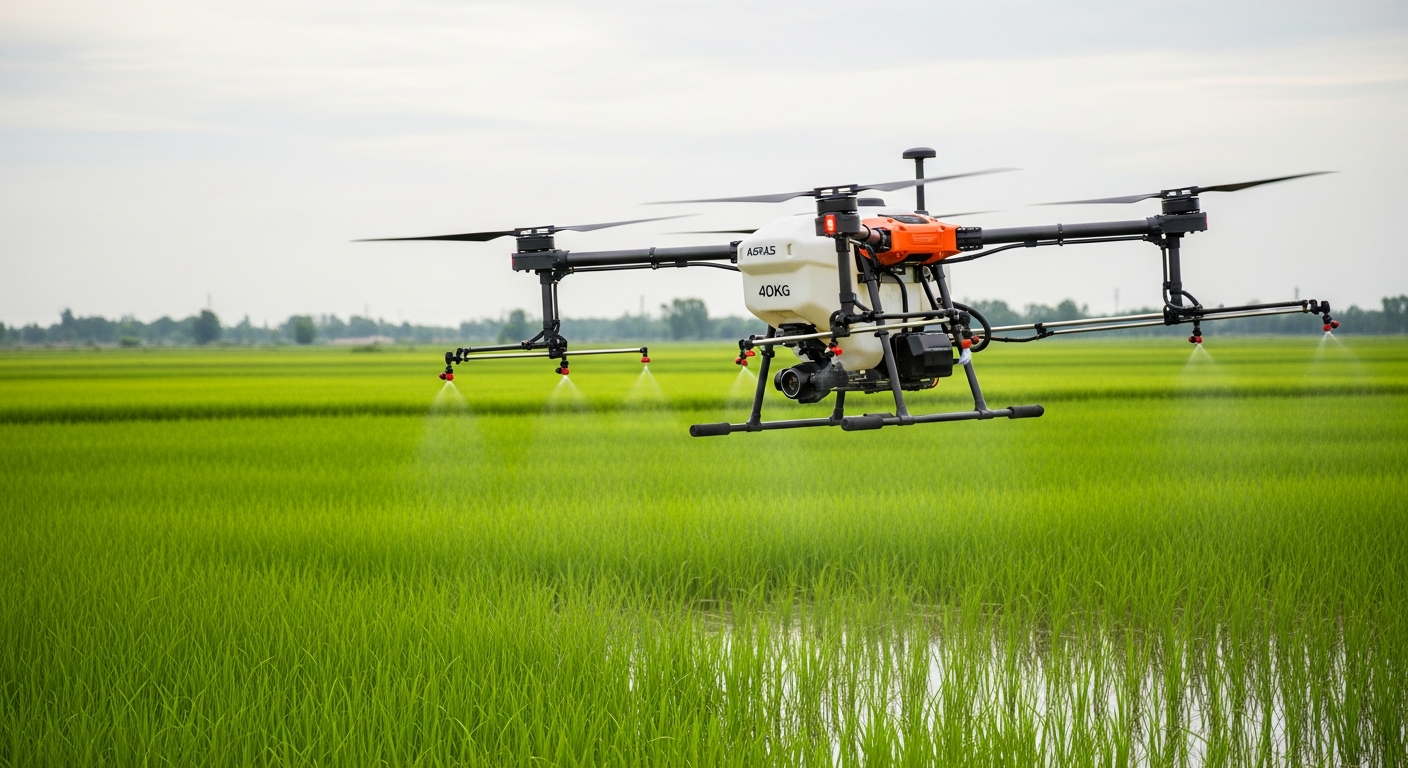
DJI Agras T40
Commercial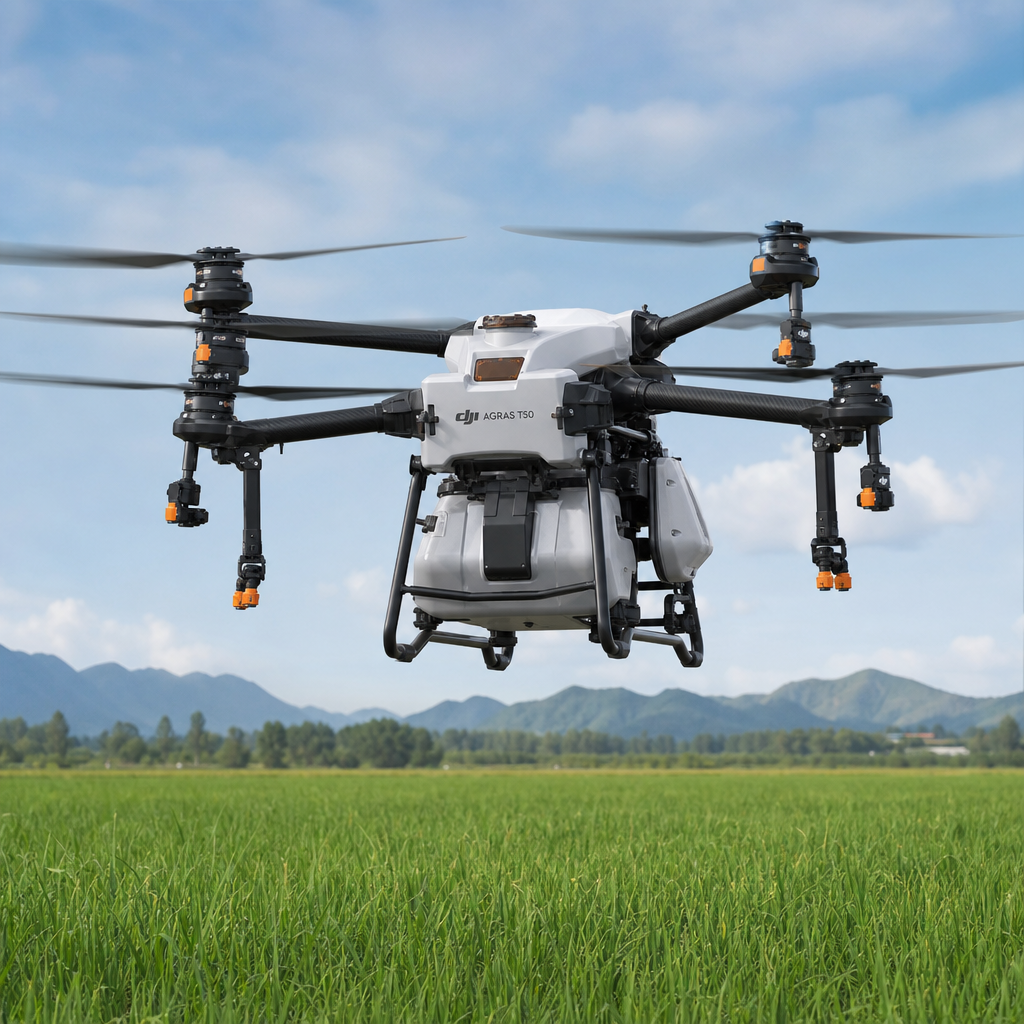
DJI Agras T50
Commercial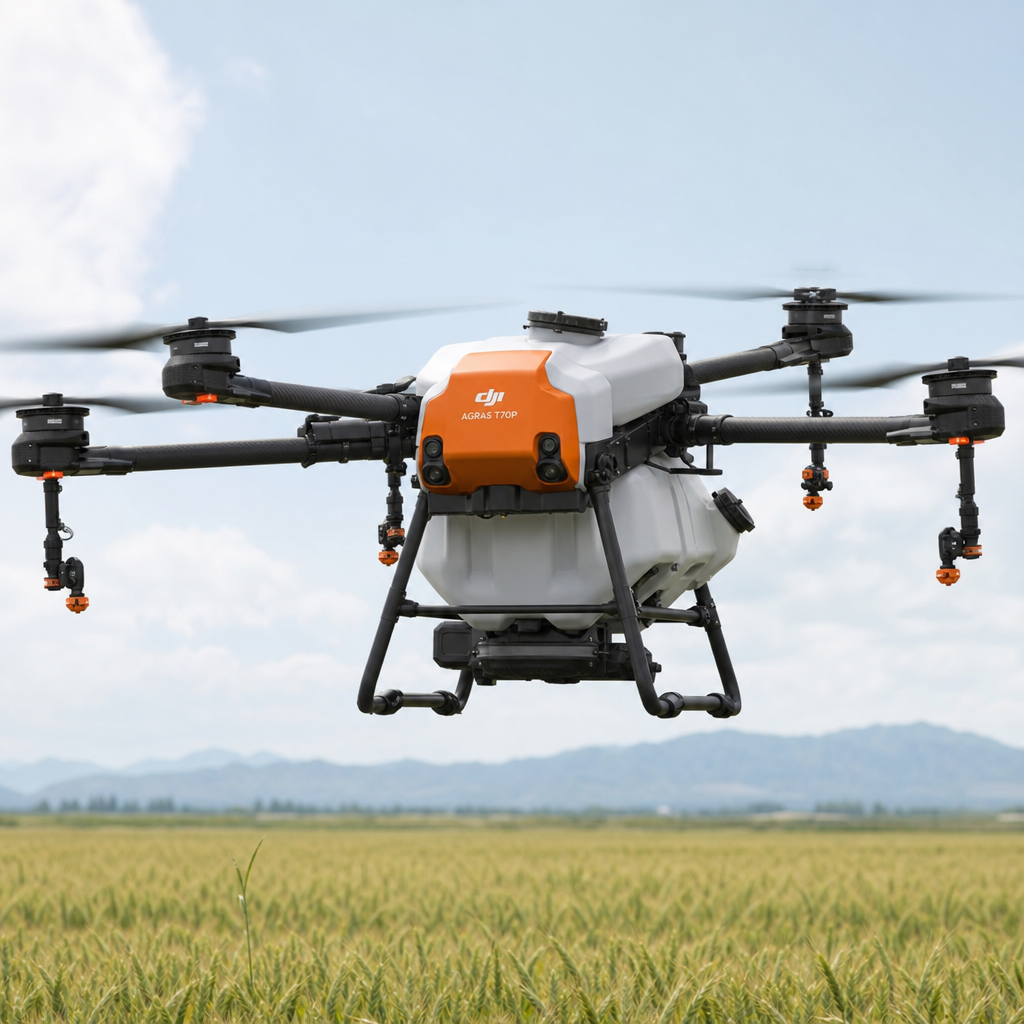
DJI Agras T70P
Commercial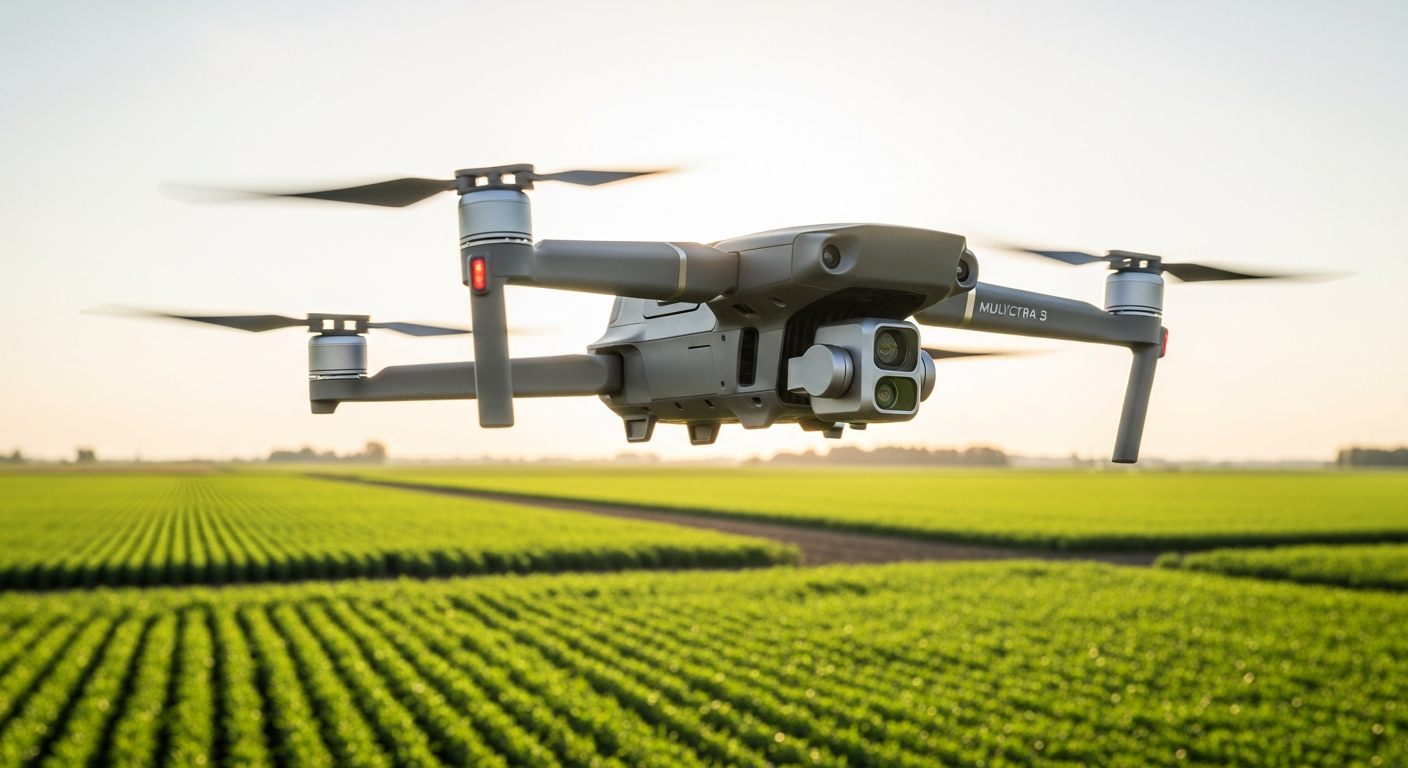
DJI Mavic 3 Multispectral
Commercial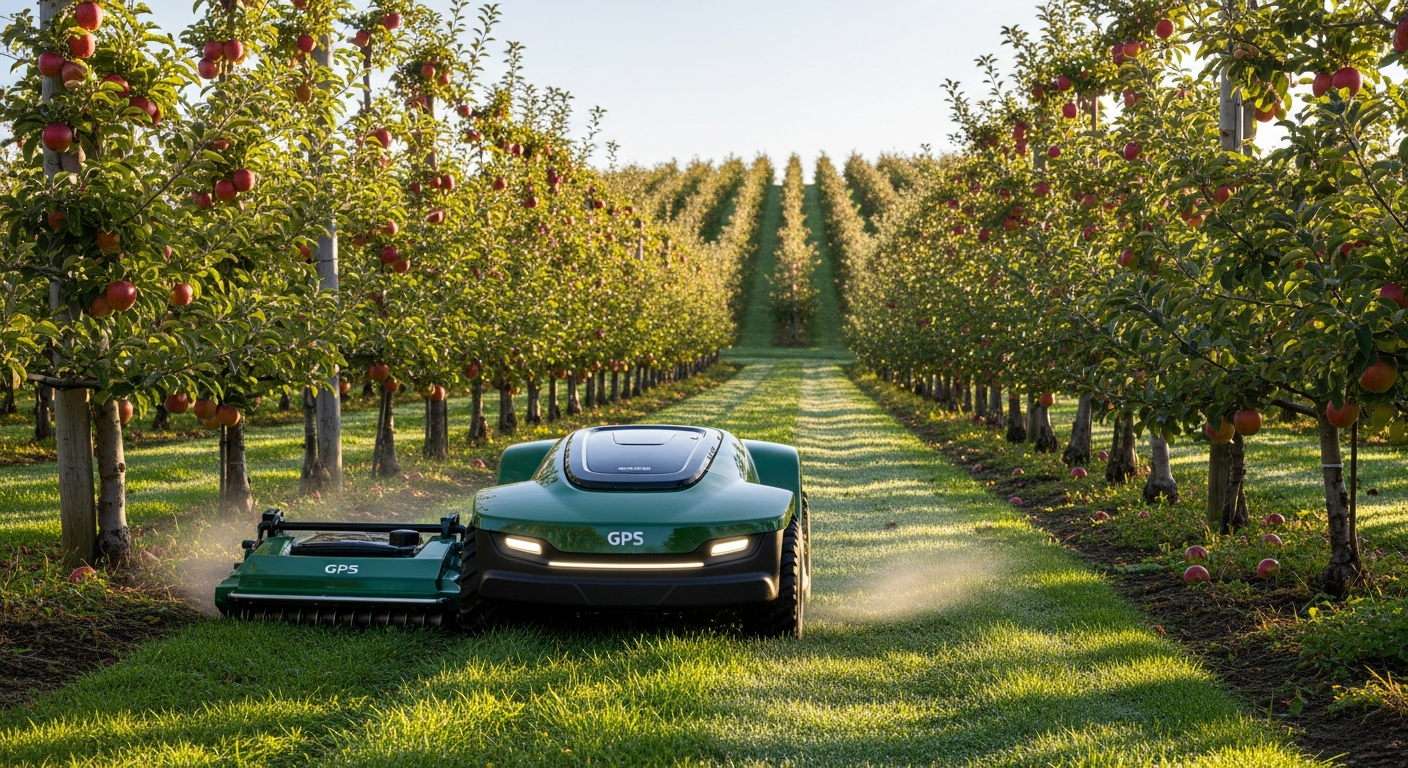
GreenBot Semi-Autonomous Mower
Commercial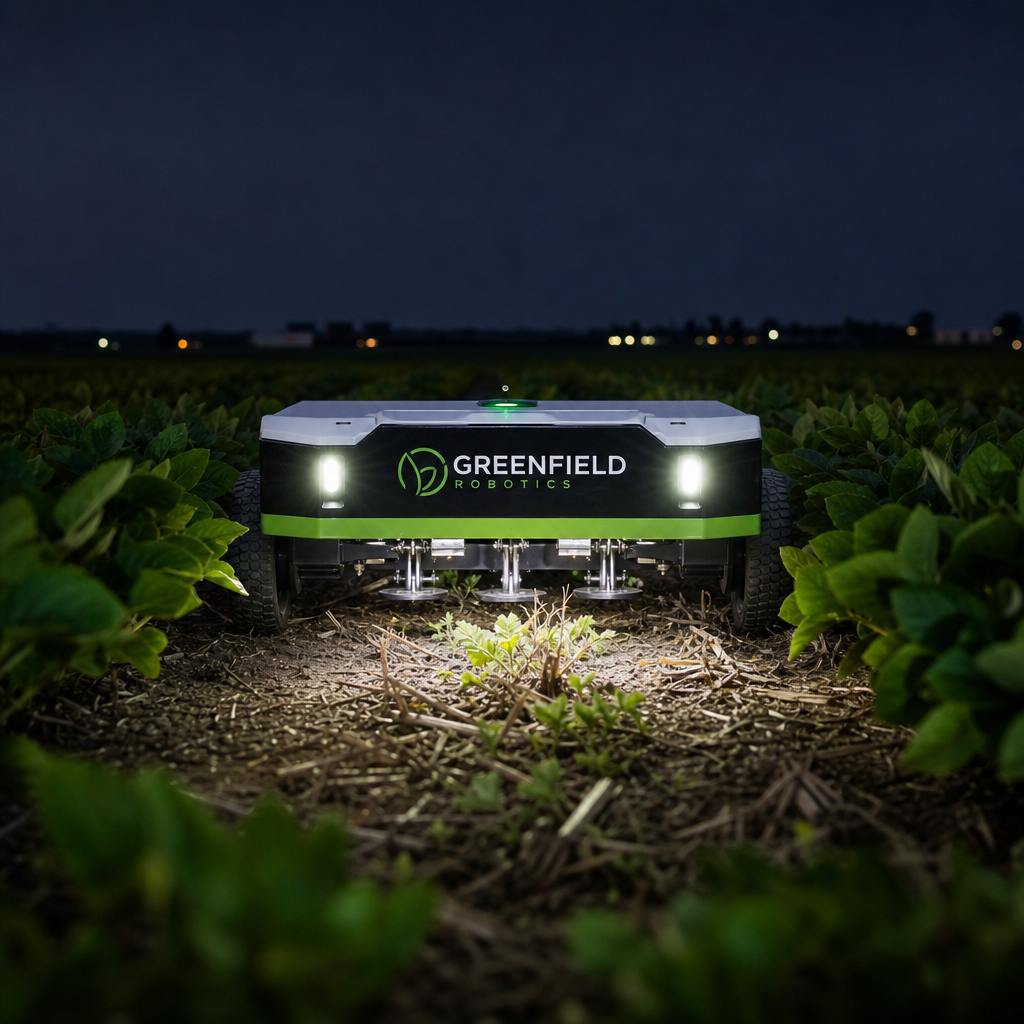
Greenfield Robotics Weed Cutter
Commercial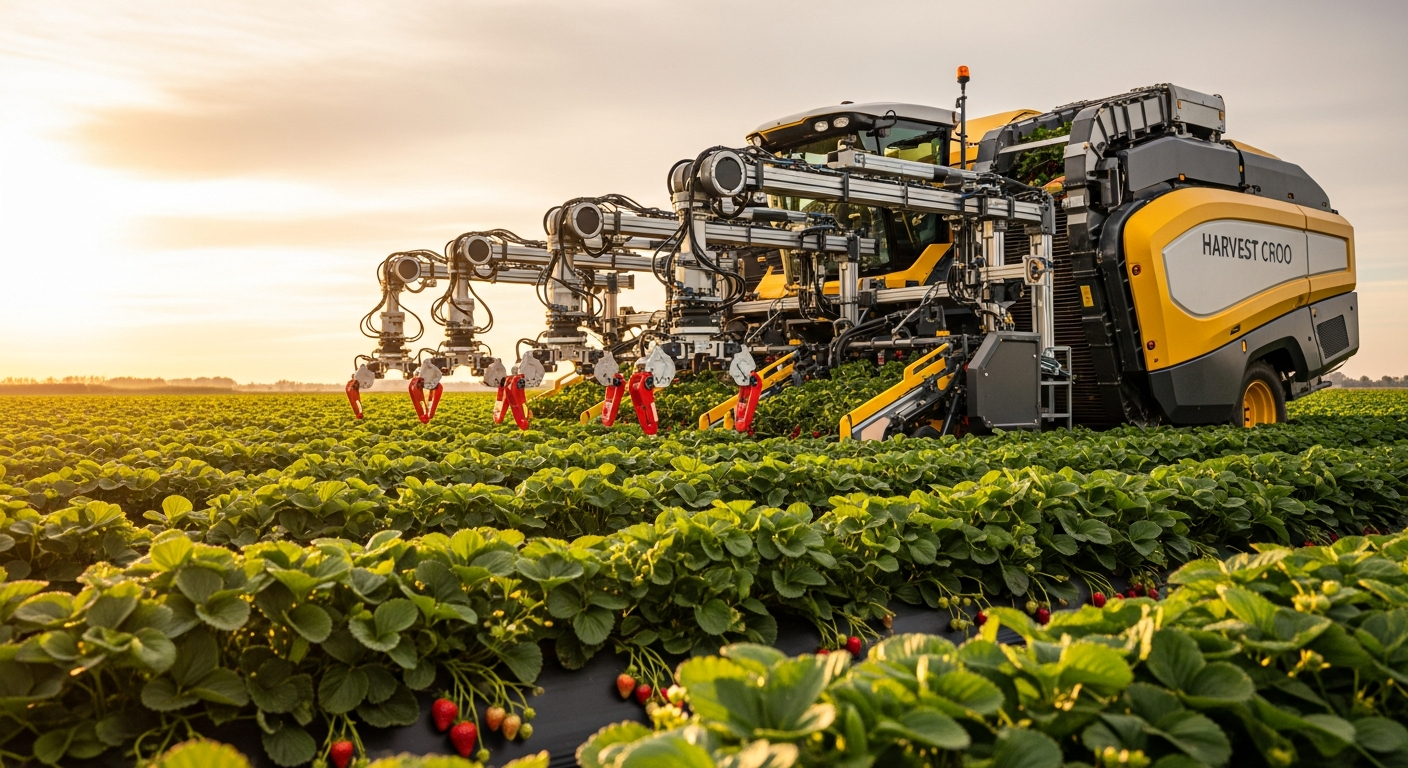
Harvest CROO Berry Harvester
Commercial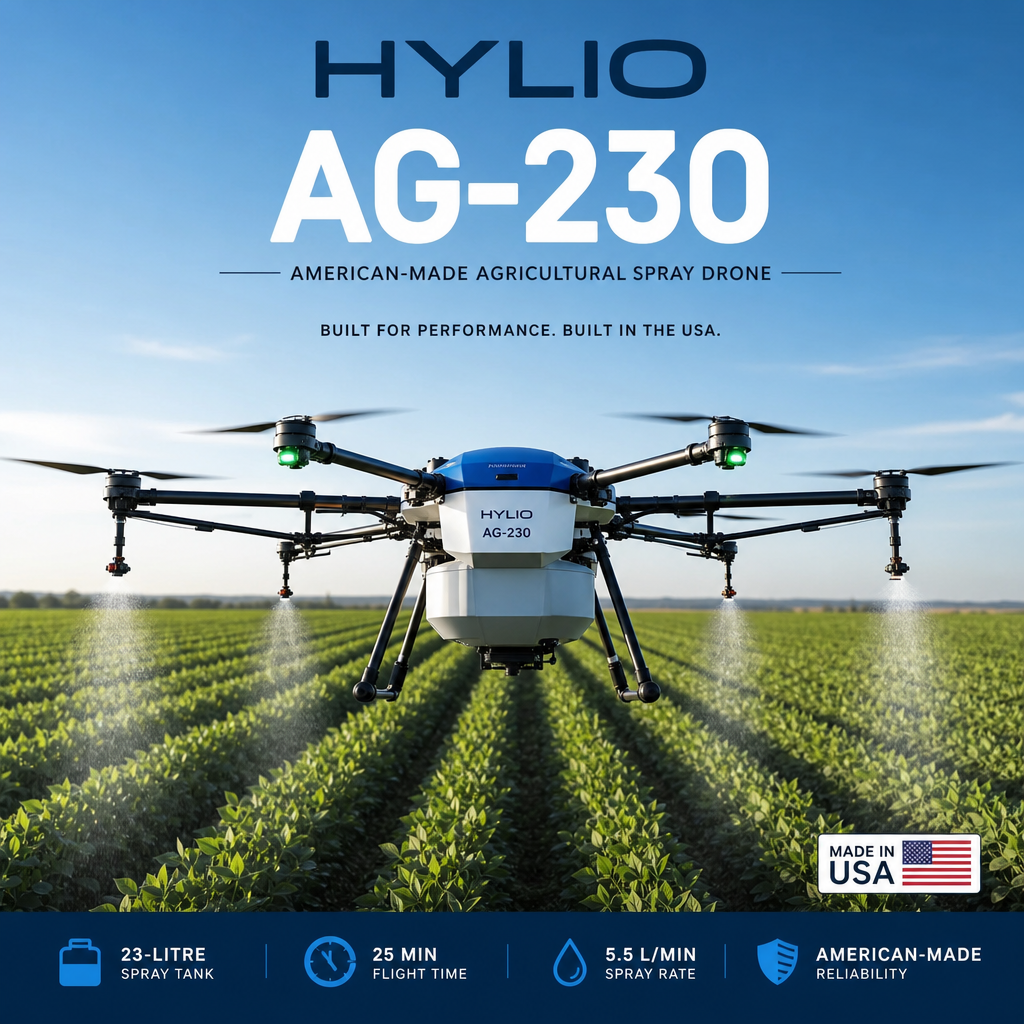
Hylio AG-230
Commercial
Hylio AG-272
Commercial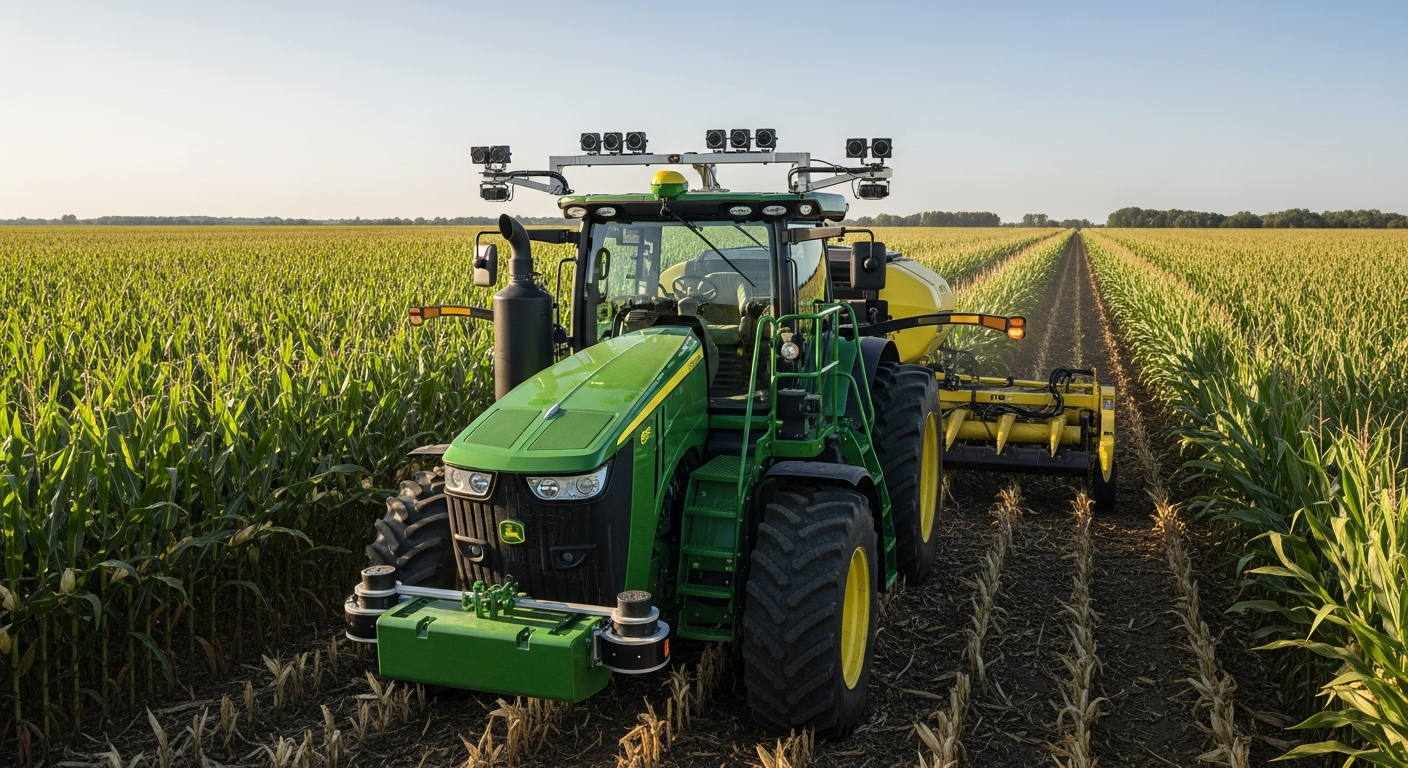
John Deere 8R Autonomous Tractor
Commercial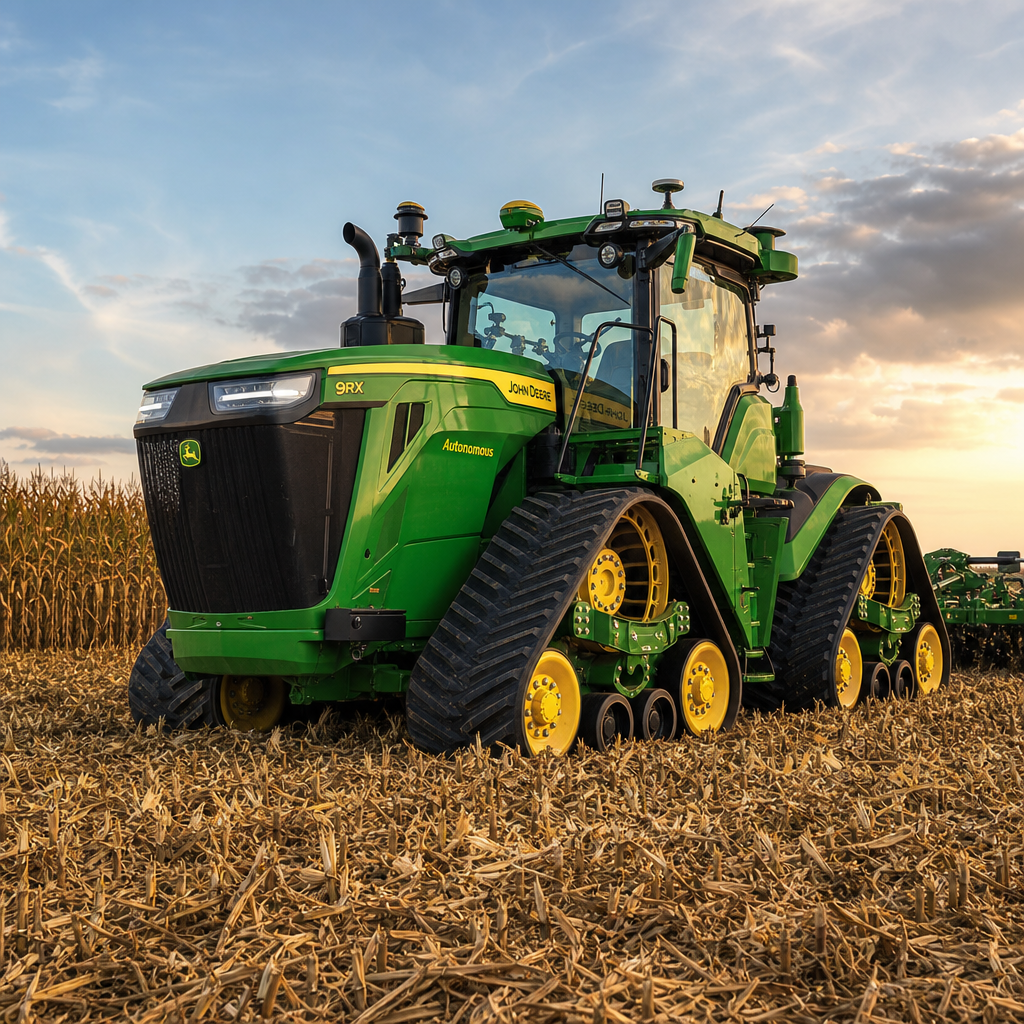
John Deere 9RX Autonomous
Prototype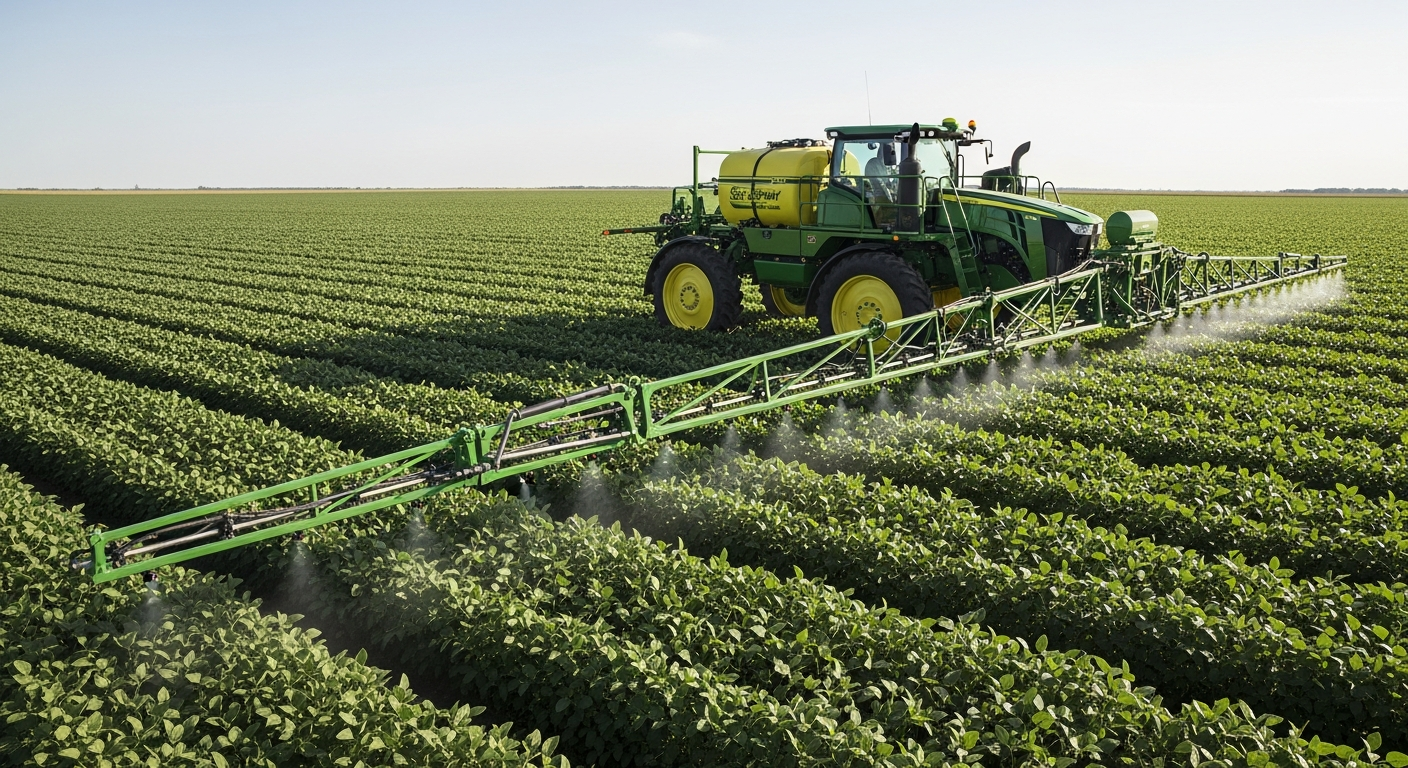
John Deere See & Spray Ultimate
Commercial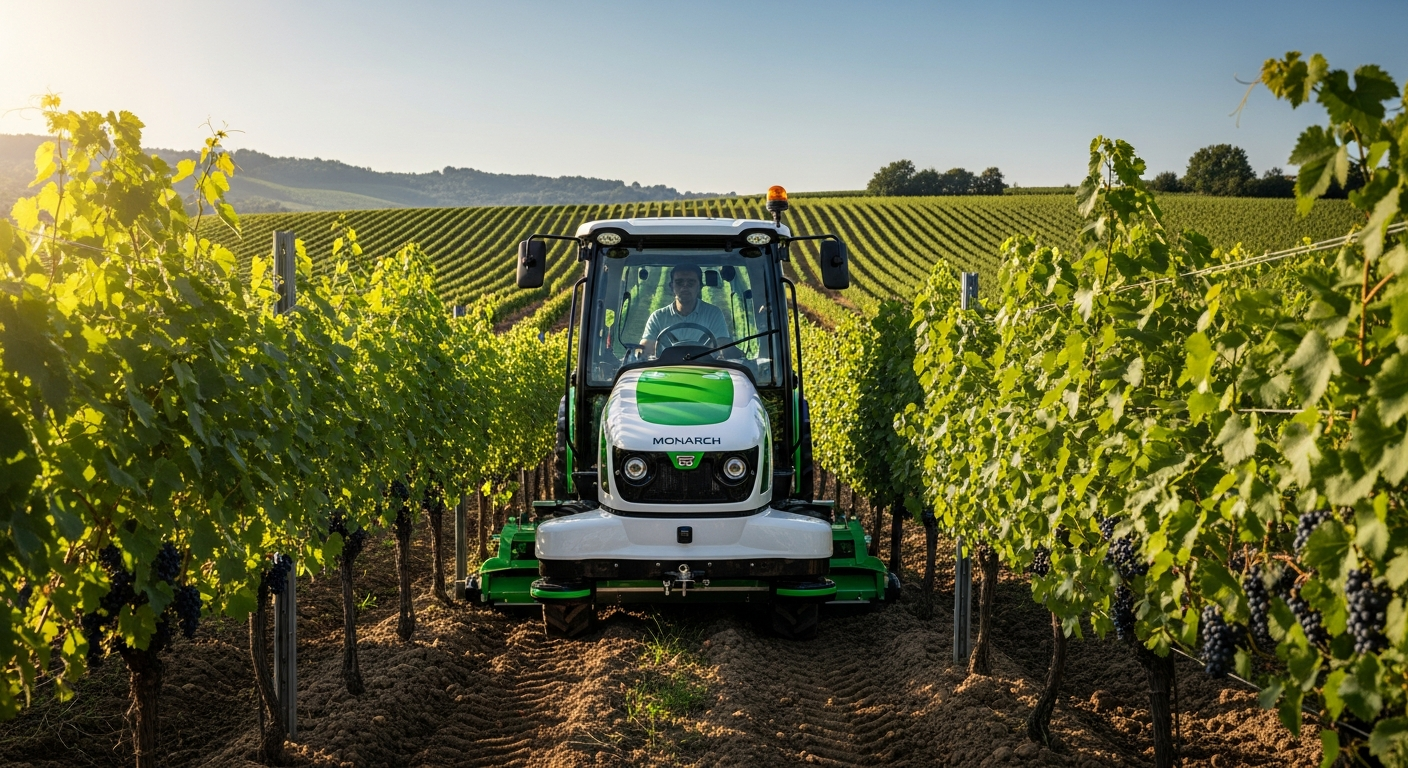
Monarch MK-V Electric Tractor
Commercial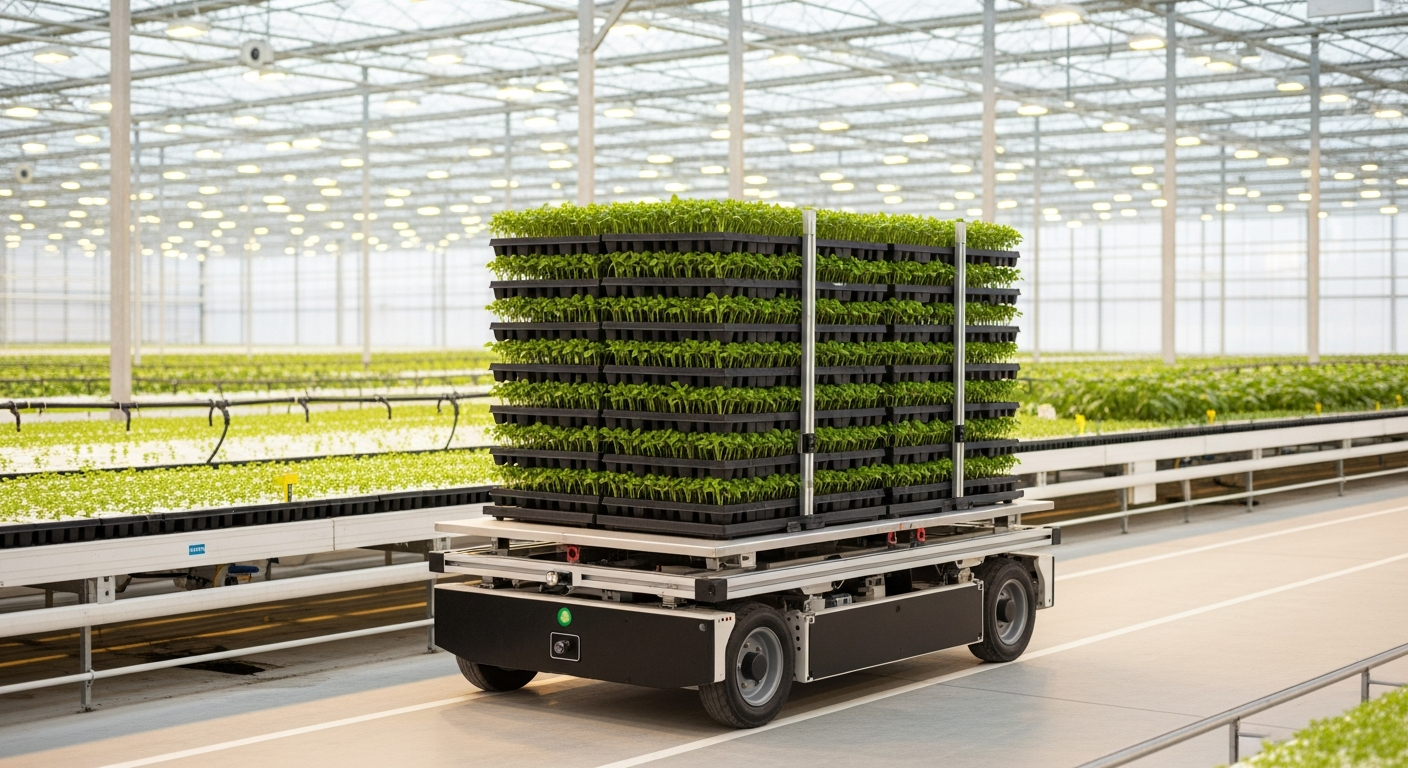
Naandanjain ReBot Greenhouse
Commercial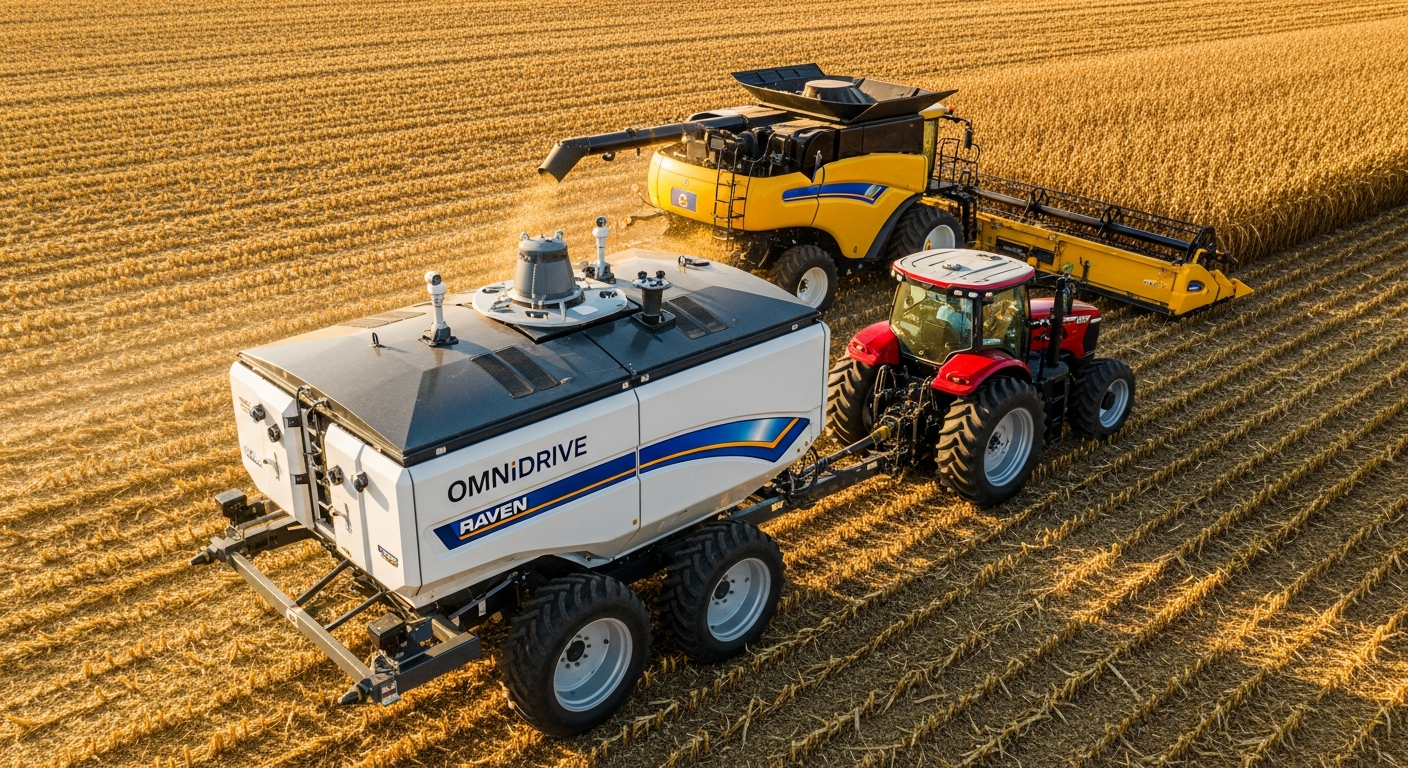
Raven OMNiDRIVE
Commercial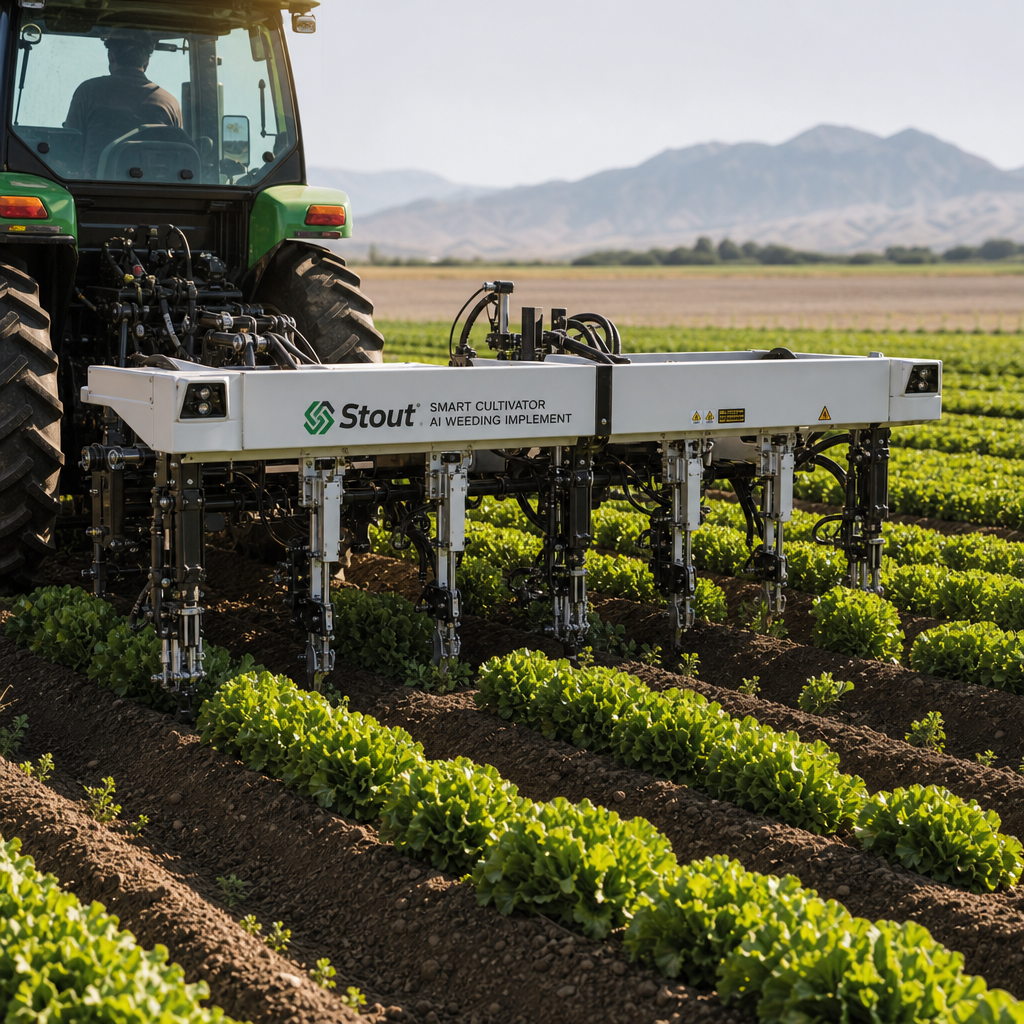
Stout Smart Cultivator
Commercial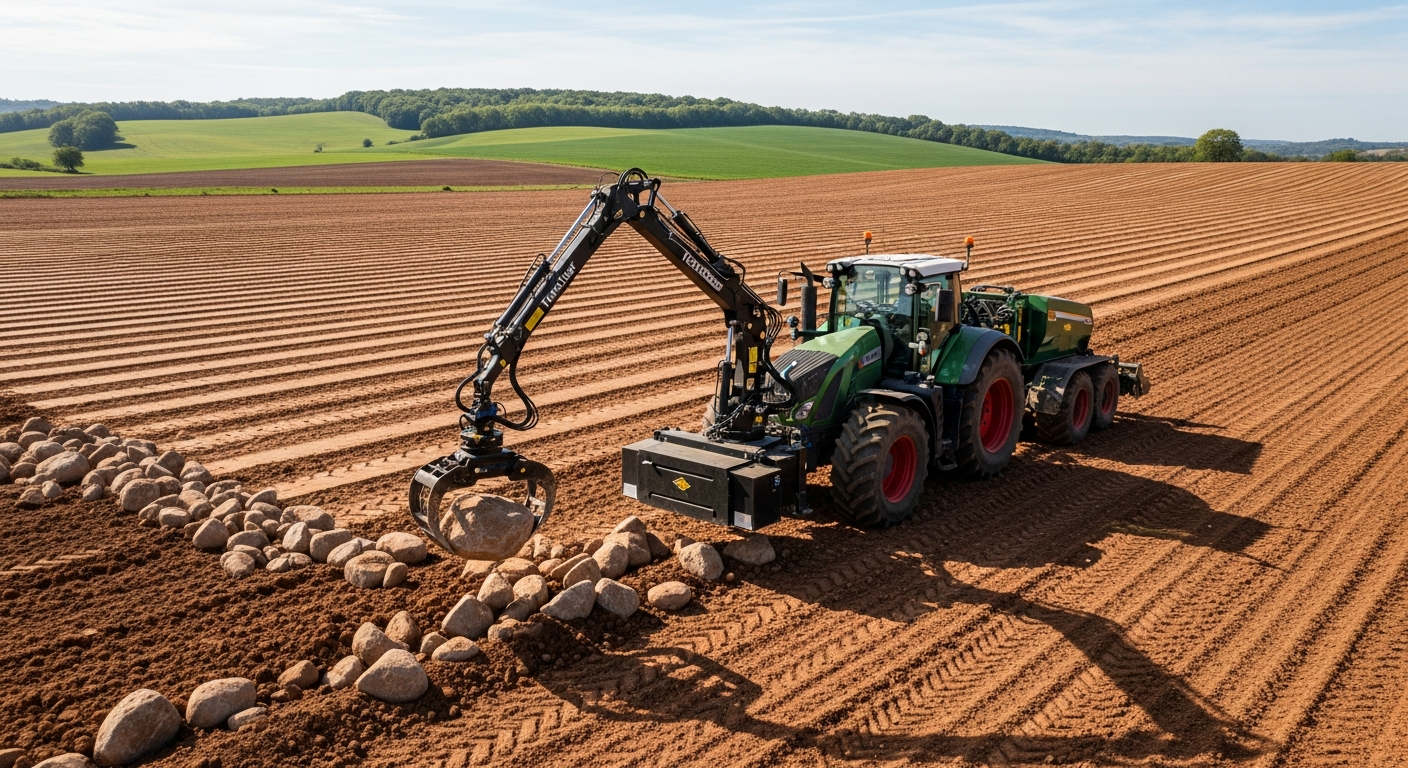
TerraClear Rock Picker
Commercial
TerraScout
Commercial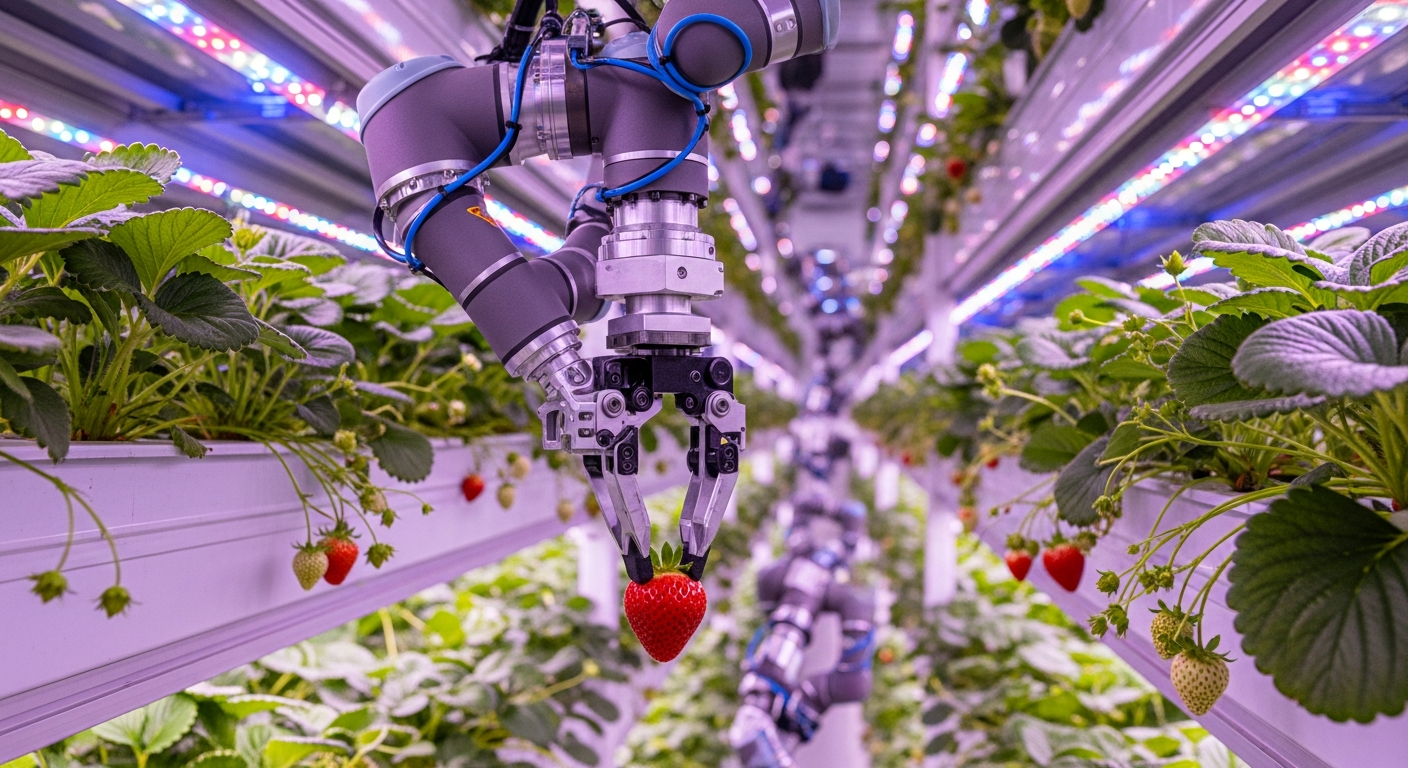
Tortuga Autonomous Strawberry Picker
Commercial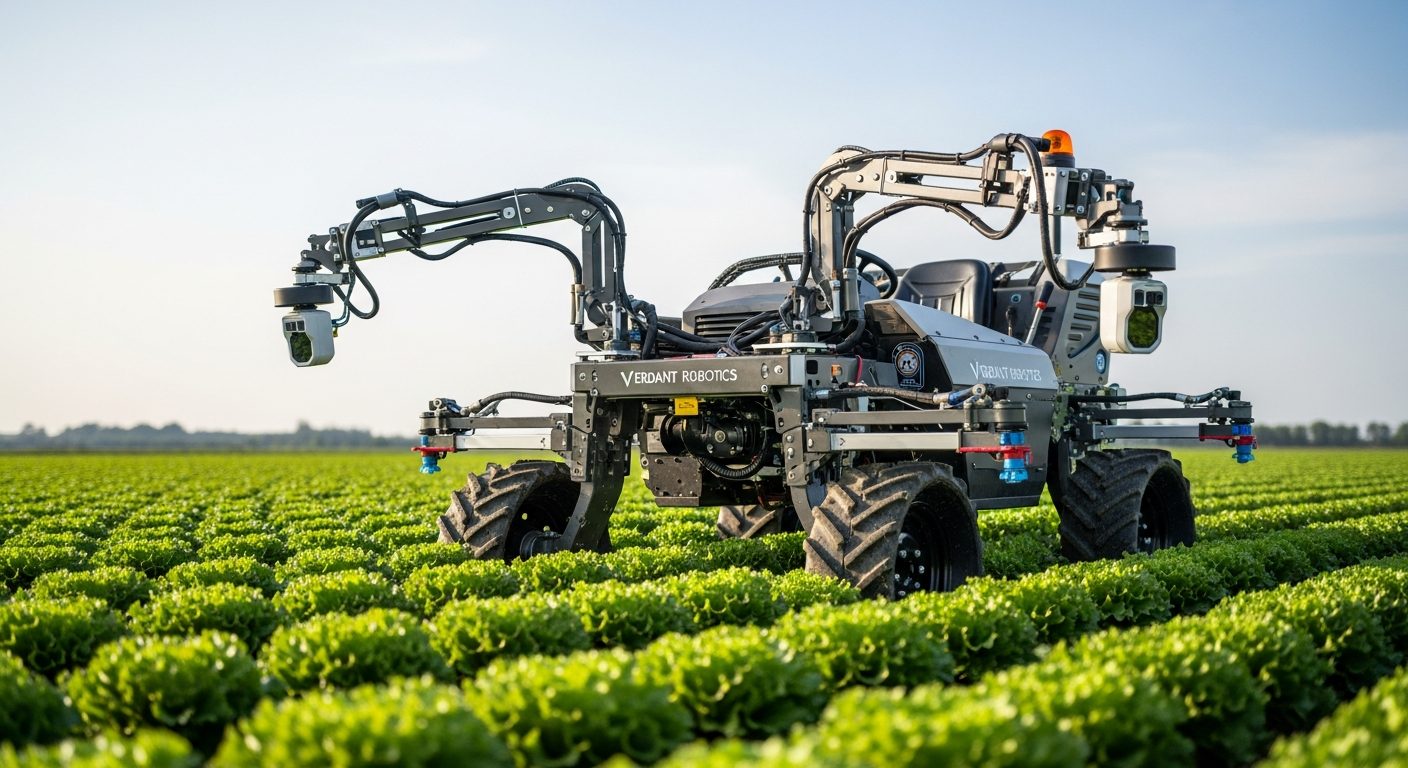
Verdant Robotics Sharpshooter
Commercial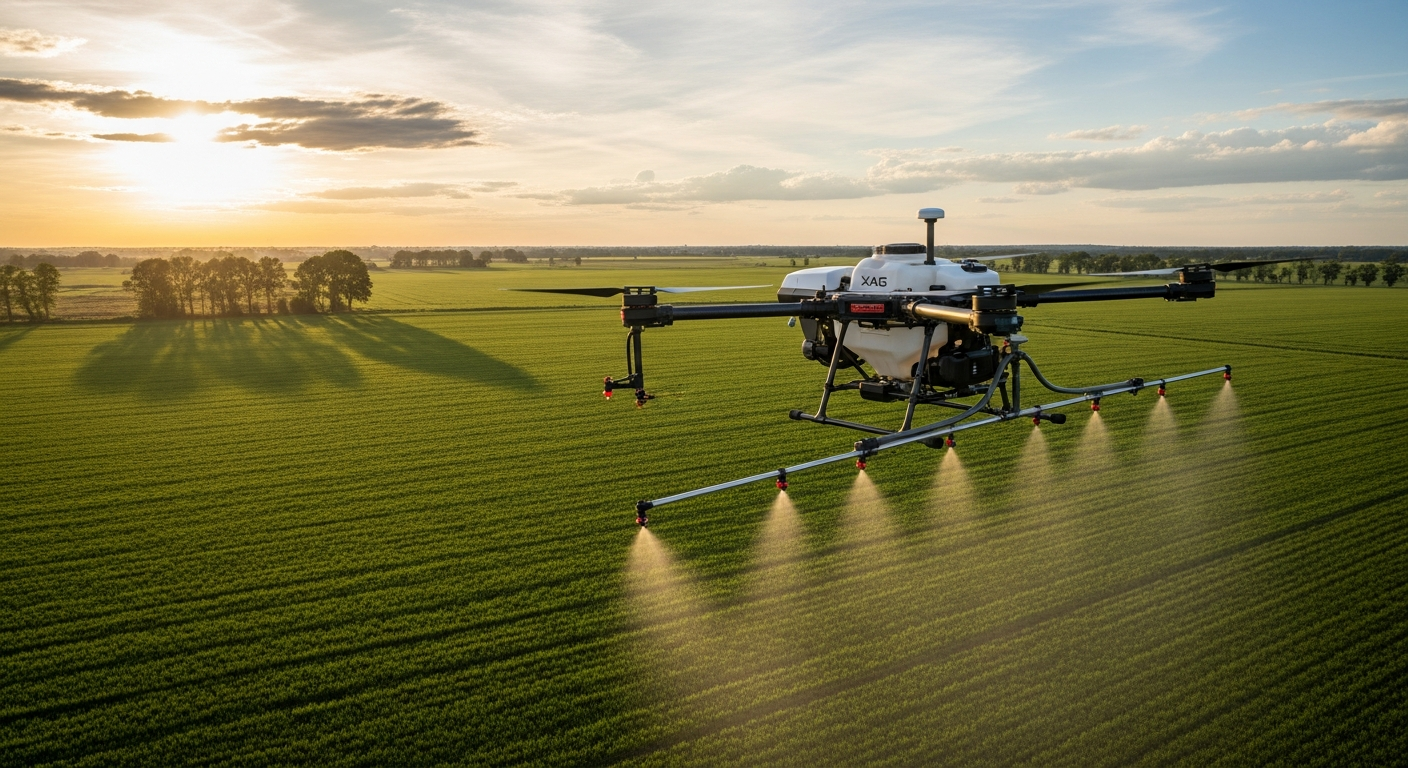
XAG P100 Pro
Commercial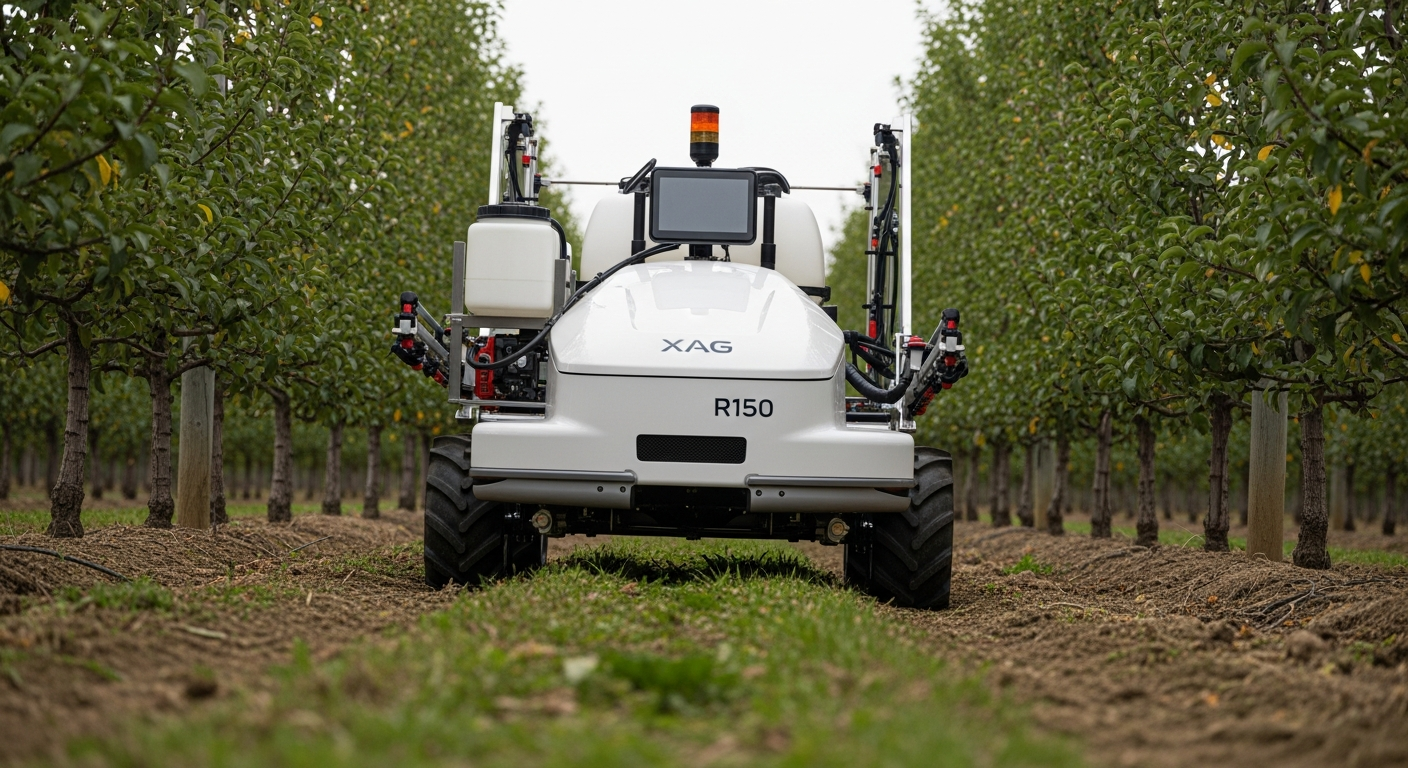
XAG R150 Ground Robot
Commercial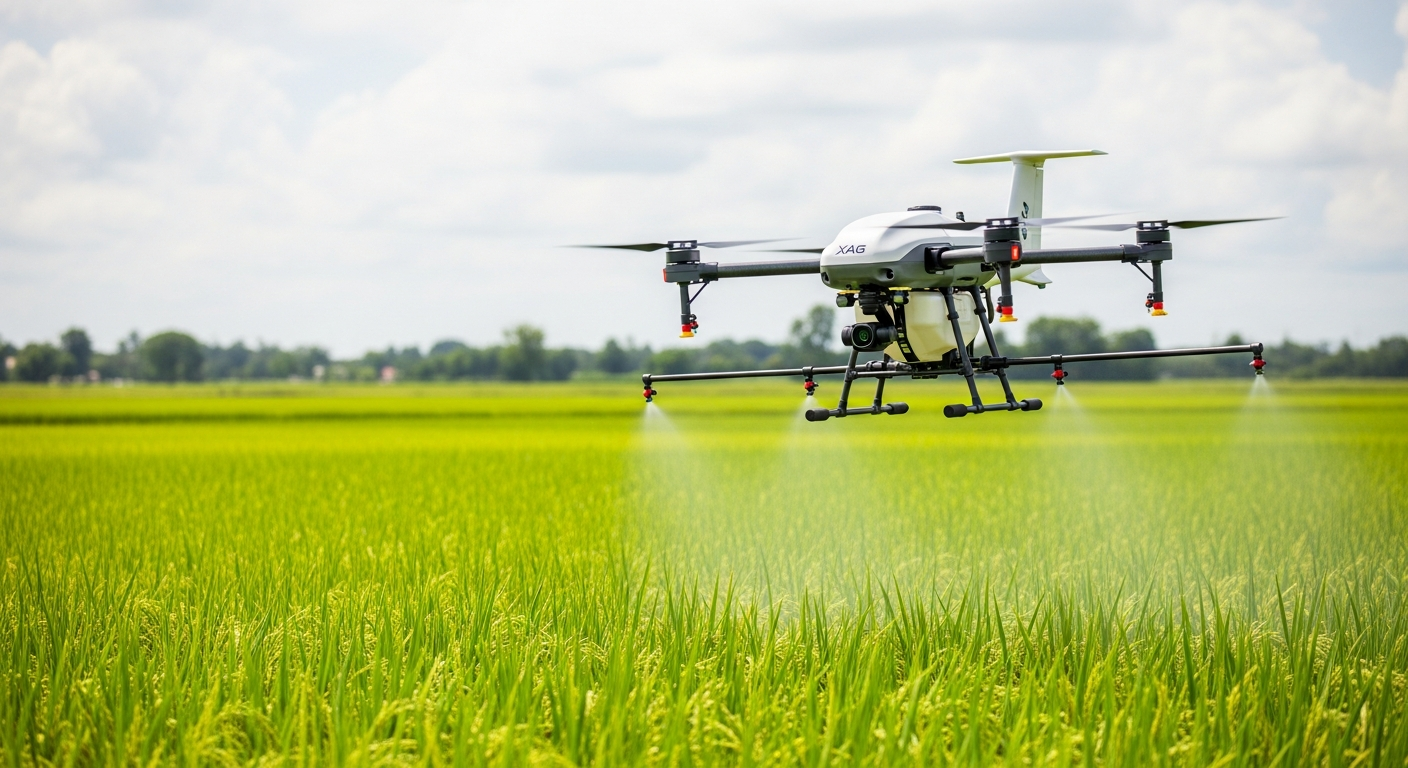
XAG V40 Agricultural Drone
CommercialFrequently Asked Questions
What government programmes fund farm robots in the US?
The USDA's Environmental Quality Incentives Program (EQIP) offers cost-sharing for precision ag equipment including robots and drones, with farm payments of $3,000–$75,000. The Conservation Innovation Grants (CIG) programme funds on-farm technology demonstration. The 2022 Inflation Reduction Act added $19.5 billion to USDA conservation spending through 2031, much of it channelled through EQIP.
Which states are leading in agricultural robotics adoption?
California leads in specialty crop harvest robotics (strawberries, lettuce, wine grapes) due to high labour costs and strict pesticide regulations. The Midwest is the largest market for autonomous tractor technology on corn and soybean operations. Florida and Washington State are growing markets for citrus, orchard, and berry harvest robots.
How much does it cost to automate a US farm?
Costs vary widely by operation type. An autonomous tractor system adds $50,000–$150,000 to an existing tractor. A precision weeding robot for specialty crops costs $200,000–$500,000. Spray drones start at $15,000–$25,000. Most US farmers finance through USDA Farm Service Agency (FSA) loans or manufacturer RaaS (Robot-as-a-Service) contracts that spread cost over season usage.